How to Evaluate Equipment Bankability for Battery Systems in Utility-Scale Projects
How to Evaluate Equipment Bankability for Battery Systems in Utility-Scale Projects
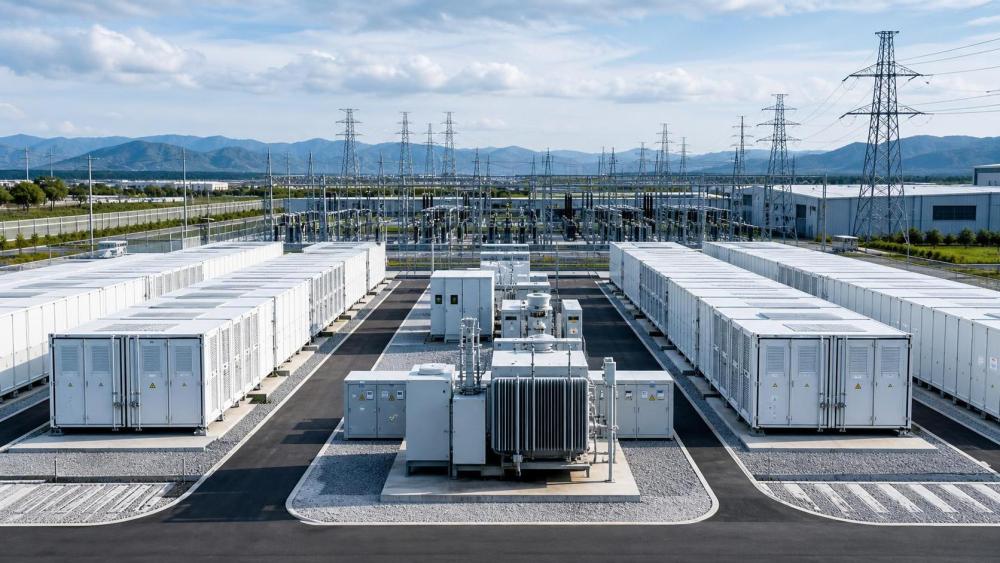
In utility-scale storage projects, equipment bankability for battery systems shapes much more than technical selection. It directly affects lender confidence, contract structure, insurance terms, and long-term asset value.
That is why equipment review cannot stop at nameplate capacity, cycle life claims, or a competitive bid price. Bankability is a risk judgment tied to performance, supplier credibility, and project financeability.
For utility-scale procurement, the core question is simple. Can this battery system deliver expected revenue with manageable technical and commercial risk over the project life?
A strong answer usually comes from evidence, not promises. Developers, lenders, EPC teams, and investors want proof that the chosen equipment can perform under real operating conditions.
When assessing equipment bankability for battery systems, several issues matter most. Technology maturity, certification, warranty depth, supplier stability, integration capability, and service support all carry weight.
From a business evaluation perspective, the goal is not to eliminate every risk. It is to identify risks early, price them correctly, and make procurement decisions that remain defendable during financing.
What Equipment Bankability Really Means
In practical terms, equipment bankability for battery systems means lenders believe the equipment will support predictable cash flow. That belief depends on technical reliability and the supplier’s ability to stand behind it.
This is broader than product quality. A battery product may test well in a lab, yet still fail bankability review if documentation is weak, references are limited, or warranty enforcement looks uncertain.
The market has also changed. Investors now look deeper into thermal management, fire safety design, software architecture, degradation assumptions, and supply chain traceability.
This shift reflects experience. Utility-scale energy storage is no longer viewed as an experimental asset. It is expected to behave like critical infrastructure with measurable operational discipline.
Start With Technology Maturity and Field Performance
A first filter in equipment bankability for battery systems is technology maturity. Most financed projects favor chemistries and system designs with established field records.
That does not mean newer technologies are excluded. It means they face a higher evidence burden, especially when the project depends on merchant revenue or tight availability guarantees.
Look beyond headline deployment volume. Ask how many projects operate under utility-scale duty cycles, how long they have run, and whether performance data is independently validated.
Useful questions include cycle count history, round-trip efficiency trends, augmentation requirements, outage patterns, and major failure events. Real operating history often reveals more than product brochures.
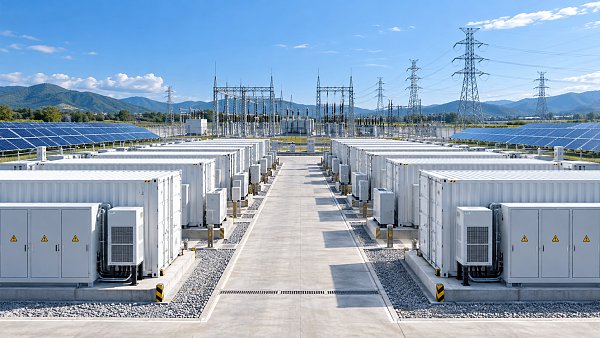
For business evaluation, comparable reference projects matter. A 20 MWh commercial system does not automatically validate a 400 MWh grid-scale application.
What to verify in reference projects
- Project size, dispatch profile, and grid application
- Operating climate and site conditions
- Years in service and cumulative energy throughput
- Safety incidents, recalls, or major warranty claims
- Availability performance and service response speed
Review Certification, Compliance, and Safety Architecture
For lenders, compliance is not a box-ticking exercise. It is a core part of equipment bankability for battery systems because noncompliance can delay permits, insurance approval, and grid connection.
Check whether the supplier can provide complete certification packages relevant to the target market. Typical references include UL, IEC, NFPA, UN38.3, and local grid code requirements.
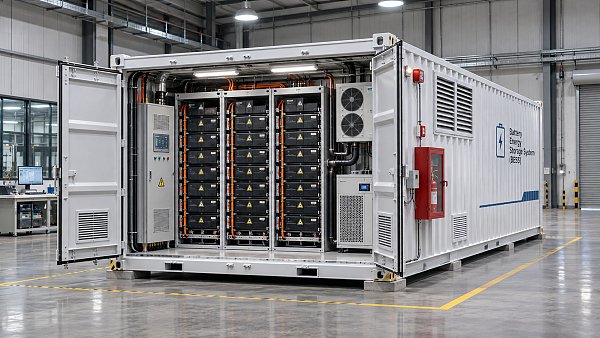
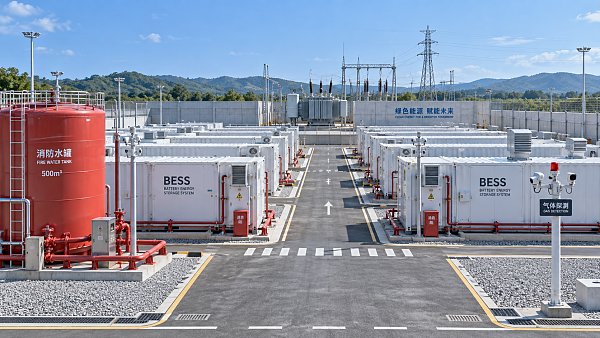
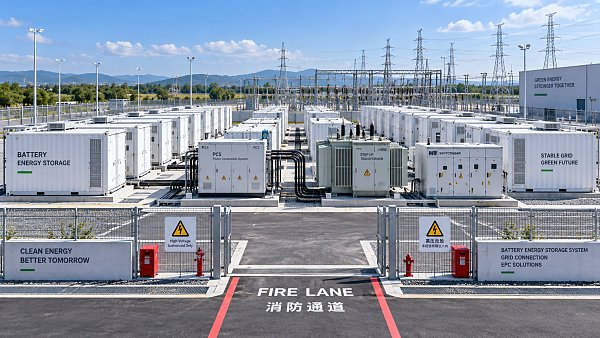
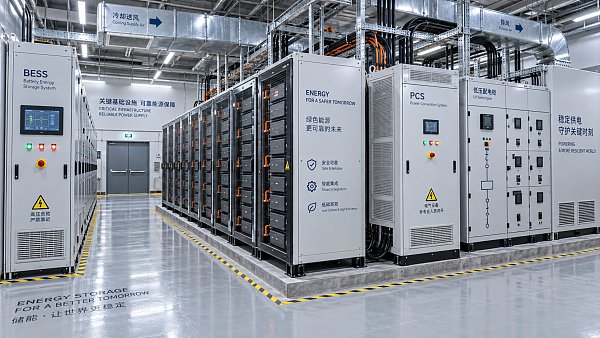
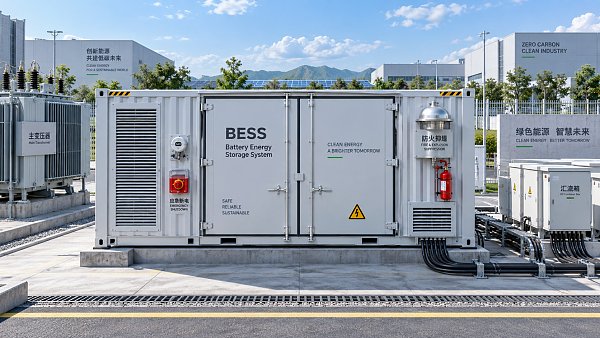
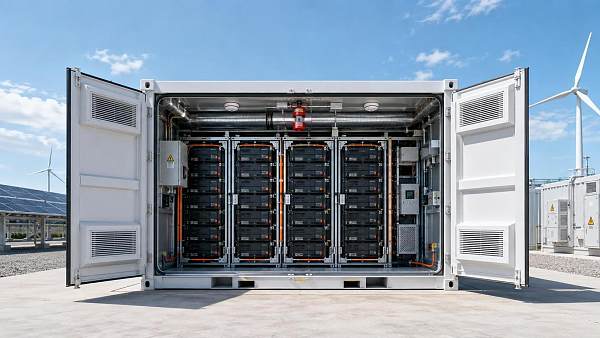
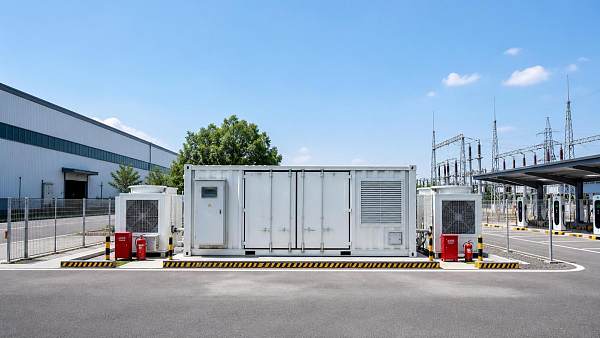
Safety architecture deserves separate review. Containerized battery systems combine cells, battery management, HVAC, PCS interfaces, and fire suppression inside one operating envelope.
A bankable system should show clear fault detection logic, thermal propagation mitigation, emergency shutdown strategy, ventilation design, and incident response procedures.
In recent procurement reviews, more attention is going to software-controlled safety functions. If these are poorly documented, technical risk rises quickly.
Assess Supplier Strength, Not Just Product Strength
A battery system can look technically sound and still fail a bankability screen if the manufacturer appears financially weak or operationally unprepared.
Equipment bankability for battery systems depends heavily on supplier continuity. Projects may run fifteen to twenty years, while warranties can stretch across a decade or more.
That means the supplier must remain capable of supporting spare parts, software updates, warranty service, and technical troubleshooting over time. Balance sheet resilience matters.
Review audited financials where possible, ownership structure, manufacturing footprint, backlog quality, and regional service capacity. Also examine whether key components come from stable upstream partners.
More importantly, test how the supplier behaves during diligence. Slow answers, inconsistent technical files, or unclear responsibility boundaries are early warning signs.
Commercial signals worth tracking
- Warranty reserve policy and claim history
- Local entity support for contract enforcement
- Service network depth in the project region
- Dependency on a single cell supplier or software vendor
- Track record in utility-scale EPC coordination
Examine Warranty Terms Against Real Project Risk
Warranty quality is one of the clearest indicators of equipment bankability for battery systems. Yet many reviews focus only on warranty duration, which is not enough.
A bankable warranty should define usable energy retention, availability thresholds, operating windows, response obligations, and remedies for underperformance in measurable terms.
Pay attention to exclusions. Some warranties look strong until dispatch profile limits, ambient temperature assumptions, or maintenance conditions narrow actual claim coverage.
The remedy structure matters too. Capacity replacement, module swap, liquidated damages, augmentation credits, and performance guarantees do not protect value in the same way.
In actual negotiations, warranty language should be matched with the project revenue model. Ancillary services, capacity contracts, and renewable shifting create different performance risks.
Look Closely at Integration and Operational Compatibility
Utility-scale projects succeed at the system level, not the component level. This is where equipment bankability for battery systems often becomes more complex.
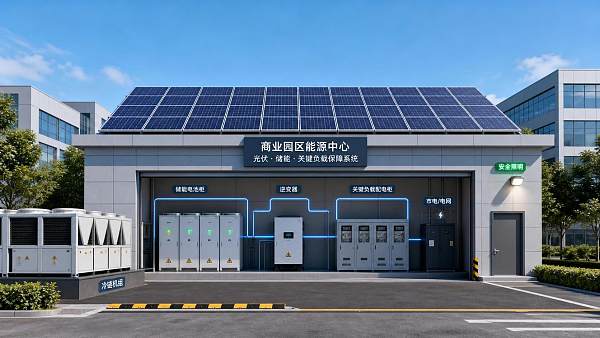
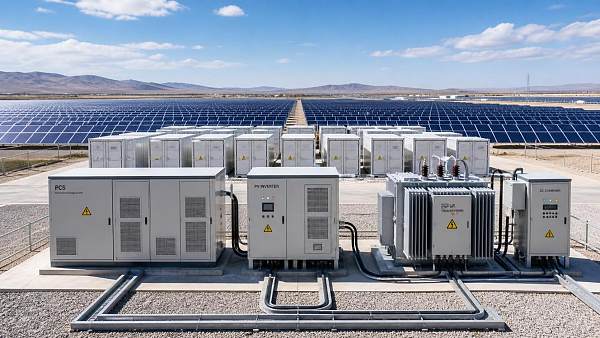
Battery containers must work smoothly with PCS, EMS, SCADA, transformers, protection systems, and grid dispatch logic. Interface risk can undermine strong core hardware.
Ask whether communication protocols are mature, whether controls have been proven in similar grid applications, and whether factory testing covers integrated operating scenarios.
Operational compatibility also includes maintenance planning, spare strategy, remote diagnostics, cybersecurity controls, and software update governance.
In practice, many post-commissioning problems come from control integration and operating logic, not from battery cells alone. That is why interface diligence is a financing issue.
Use a Practical Bankability Review Framework
A useful review process should turn broad concerns into a structured decision. The table below helps compare equipment bankability for battery systems across suppliers.
This kind of framework helps procurement teams compare more than price. It also creates a clearer audit trail for investment committee and lender discussions.
Common Mistakes in Battery System Selection
One frequent mistake is treating equipment bankability for battery systems as a late-stage financing topic. In reality, it should influence shortlist design from the start.
Another mistake is assuming tier status alone proves bankability. Brand visibility helps, but project-specific fit still matters.
Some buyers also underestimate data quality. If performance assumptions are based on generic discharge behavior, the financial model may overstate value.
A final issue is fragmented responsibility. When battery, PCS, EMS, and EPC scopes are poorly aligned, disputes can emerge exactly when performance support is needed most.
A Smarter Decision Path
The most effective approach to equipment bankability for battery systems is disciplined and early. Start with a shortlist backed by proven field use and complete documentation.
Then test each option against warranty strength, supplier durability, integration risk, and safety readiness. Price should remain important, but never operate without context.
For utility-scale projects, bankability is really a long-term confidence test. The best equipment choice is the one that can survive due diligence, operate reliably, and protect project economics over time.
In a market where storage is becoming core grid infrastructure, better bankability review is no longer optional. It is part of making better procurement decisions from day one.
Questions about market trends? Contact Market Scope Live for deeper business insights.
We respect your privacy. Your information is strictly confidential.
Related News
 Energy Storage Systems / BESSCroatia’s First Transmission-Connected Standalone Battery Project Enters OperationCroatia’s first transmission-connected standalone battery project is operational. Discover how the 60 MW Šibenik facility could support grid flexibility.MORE+
 Energy Storage Systems / BESSAustralia's NEM Battery Storage Hits Record 20.17 GWh, Up 203% Year on YearAustralia's NEM battery storage reportedly hits 20.17 GWh, up 203% year on year. Explore what the record could mean for grid-scale projects and procurement.MORE+
 Energy Storage Systems / BESSC&I Energy Storage in Germany: What Drives Project ROI?C&I energy storage in Germany: discover what drives project ROI, from peak shaving and solar savings to costs, tariffs and smarter battery sizing.MORE+
 Energy Storage Systems / BESSChoosing Energy Storage Containers: Capacity, Power and Safety CriteriaCompare energy storage containers by usable capacity, power, safety and grid integration. Learn what to ask suppliers before choosing a system.MORE+
 Energy Storage Systems / BESSNeoen, Frontier Energy and Lightyears Secure Funding for Renewable ProjectsNeoen, Frontier Energy and Lightyears secure renewable energy financing. Explore what the funding means for solar, wind and battery storage projects.MORE+
 Energy Storage Systems / BESSChoosing a Battery Energy Storage Container Manufacturer: Key Supplier ChecksChoosing a battery energy storage containers manufacturer? Learn how to assess safety, integration, warranties and total costs before you buy.MORE+
 Energy Storage Systems / BESSCATL Introduces Grid Connection and Financing Commitments in AustraliaCATL introduces energy storage with 25-year grid connection and financing commitments in Australia. Explore what the proposed model means for projects.MORE+
 Energy Storage Systems / BESSPortugal Mandates Grid-Forming Capability for Large Storage and Launches 1 GW TenderPortugal grid-forming rules target large standalone energy storage projects as a 1 GW tender launches. Explore the implications for developers and suppliers.MORE+
 Energy Storage Systems / BESSAdding Battery Storage to Rooftop Solar: When to Use AC vs. DC CouplingExplore rooftop solar storage integration: compare AC vs. DC coupling, inverter compatibility, backup power, and lifecycle costs to choose the right battery setup.MORE+
 Energy Storage Systems / BESSHeron Power and NiSource Announce US Data Center Deals Involving BESSHeron Power and NiSource announce US data center deals involving BESS. Explore how transformer integration and long-term power supply are shaping data center energy plans.MORE+
 Energy Storage Systems / BESSPeak Energy Raises $108 Million as GM Ventures Leads Sodium-Ion Storage RoundPeak Energy raises $108 million in a GM Ventures-led round to scale sodium-ion storage for grids and AI data centers. Explore what buyers should assess before committing.MORE+
 Energy Storage Systems / BESSRondo Energy and Rio Tinto Begin Design of Australia's Largest Thermal Storage ProjectRondo Energy and Rio Tinto begin design of a 30 MW/360 MWh thermal storage project at Yarwun. Explore its potential for industrial decarbonization and future procurement.MORE+
 Energy Storage Systems / BESSCATL Nine-Month Net Profit Rises 31.6% as Energy Storage Emerges as a Growth DriverCATL’s reported nine-month net profit rose 31.6% as energy storage gains momentum. Explore what this shift could mean for battery buyers, overseas orders and procurement planning.MORE+
 Energy Storage Systems / BESSScalable Power Solutions for Commercial Facilities with Uneven Site DemandScalable power solutions for multi-site commercial facilities: optimize uneven demand, resilience, storage, solar, and controls with a repeatable portfolio strategy.MORE+
 Energy Storage Systems / BESSWhen Do Commercial Property Owners Face Peak Demand for On-Site Energy?Commercial property owners peak demand often occurs when HVAC, occupancy, EV charging, and equipment loads coincide. Discover practical strategies to manage costs, capacity, and on-site energy resilience.MORE+
 Energy Storage Systems / BESSWhen Does a Containerized Hybrid Solar-Storage System Make Sense for Remote Sites?containerized hybrid solar storage for remote sites: discover when it cuts diesel costs, improves reliability, and simplifies deployment with smarter sizing and design.MORE+
 Energy Storage Systems / BESSHow to Specify Steel Battery Enclosures for Outdoor BESS Fire and Corrosion RisksSteel battery enclosures: learn how to specify corrosion protection, fire-ready interfaces, drainage, and durable outdoor BESS performance.MORE+
 Energy Storage Systems / BESSBattery Energy Storage Cost: What Drives $/kWh and Project ROI?Battery energy storage cost explained: compare usable $/kWh, system scope, grid connection, warranty, and lifecycle factors to build a stronger storage ROI.MORE+
 Energy Storage Systems / BESSWhat Drives BESS Fire Protection Costs in Utility-Scale Storage Projects?Energy storage fire protection cost drivers explained: compare BESS safety systems, site design, compliance, and integration to budget smarter.MORE+
 Energy Storage Systems / BESSHow to Size Grid-Scale Energy Storage for Peak Shaving and Renewable FirmingGrid scale energy storage sizing guide for peak shaving and renewable firming—learn how to model MW, MWh, dispatch, degradation, and grid limits.MORE+
 Energy Storage Systems / BESSWhat Drives Battery Energy Management System Costs in BESS Projects?Battery energy management systems cost depends on controls, integration, grid compliance, cybersecurity, and lifecycle support. Learn how to evaluate BESS EMS proposals wisely.MORE+
 Energy Storage Systems / BESSHow to Size a Commercial Microgrid Battery System for Peak Shaving and Backup PowerCommercial microgrid battery system sizing guide for peak shaving and backup power—optimize kW, kWh, reserve SOC, controls, and resilience.MORE+
 Energy Storage Systems / BESSHow to Select a Battery Storage EPC Partner for Utility-Scale Projects in EuropeBattery storage EPC Europe: choose the right utility-scale partner with proven grid expertise, safety leadership, supply-chain control, and reliable commissioning.MORE+
 Energy Storage Systems / BESSHow to Evaluate a Stationary Battery Storage Manufacturer for Critical Backup PowerStationary battery storage manufacturer evaluation guide: compare safety, usable capacity, integration, warranties, lifecycle cost, and service support for reliable critical backup power.MORE+
 Energy Storage Systems / BESSDo Utilities Prefer Centralized or Distributed Energy Storage Models?Do utility companies prefer centralized or distributed energy storage models? Explore how grid constraints, costs, resilience, and control shape the best storage strategy.MORE+
 Energy Storage Systems / BESSWhat Fire Safety Requirements Apply to Containerized Battery Storage?What are the fire safety requirements for containerized battery storage systems? Explore codes, detection, suppression, ventilation, shutdown, and site design essentials.MORE+
 Energy Storage Systems / BESSIs EPEM Useful for Benchmarking Energy Storage Project Performance?Is EPEM useful for benchmarking energy storage project performance data? Explore how it helps normalize efficiency, availability, degradation, dispatch, and lifecycle risks.MORE+
 Energy Storage Systems / BESSBehind-the-Meter Energy Systems for Industrial Parks: Sizing Solar, Storage, and LoadsBehind the meter energy systems for industrial parks: learn how to size solar, storage, and loads for lower costs, resilient operations, and scalable growth.MORE+
 Energy Storage Systems / BESSAerosol Fire Protection for Energy Storage: Key Design Factors for BESS SafetyAerosol fire protection for energy storage: explore key BESS design factors for detection, ventilation, thermal runaway risk, and safer system integration.MORE+
 Energy Storage Systems / BESSHow to Size Solar Backup Energy Systems for Critical Commercial LoadsBackup energy systems with solar: learn how to size critical commercial loads, balance battery power and runtime, and build resilient operations.MORE+
 Energy Storage Systems / BESSWhat Criteria Should You Use to Shortlist Battery Storage EPC Contractors?What criteria should be used to shortlist battery storage EPC contractors? Explore essential checks for engineering, safety, grid integration, delivery, and lifecycle value.MORE+
 Energy Storage Systems / BESSCan Battery Storage Be Added to Existing Solar Farms Without Replacing Inverters?Can battery storage be integrated into existing solar farms without replacing inverters? Explore AC-coupled retrofits, grid limits, controls, costs, and value.MORE+
 Energy Storage Systems / BESSAre Containerized Battery Storage Systems Safe for Urban Deployment?Are containerized battery storage systems safe for urban deployment? Explore key safety factors, fire planning, standards, and site design for reliable urban BESS projects.MORE+
 Energy Storage Systems / BESSSodium-Ion vs Lithium-Ion: Which Is Better for Long-Duration Storage?Is sodium-ion battery better than lithium-ion for long duration storage? Explore cost, safety, energy density, warranties, and the best fit for your storage project.MORE+
 Energy Storage Systems / BESSHow to Size Grid-Scale Battery Energy Storage for Peak Shaving and Grid SupportGrid scale battery energy storage sizing made practical: learn how to match MW, MWh, dispatch, degradation, and grid constraints for reliable peak shaving and grid support.MORE+
 Energy Storage Systems / BESSHow to Integrate Solar and Battery Storage for Reliable Commercial Power ProjectsSolar storage project integration for commercial sites: learn to align load analysis, battery sizing, controls, safety, and grid compliance for reliable power.MORE+
 Energy Storage Systems / BESSHow Does Battery Thermal Management Affect Charger Uptime in Hot Climates?How does battery thermal management affect charger uptime in hot climates? Explore cooling strategies that reduce derating, protect assets, and keep EV charging reliable.MORE+
 Energy Storage Systems / BESSAre Sodium-Ion Batteries Ready for Commercial Charging Storage in 2026?Are sodium-ion batteries ready for commercial charging station storage in 2026? Explore costs, safety, footprint trade-offs, and project-fit insights.MORE+
 Energy Storage Systems / BESSHow to Size Energy Storage Containers for Reliable Microgrid PerformanceEnergy storage containers for microgrids: learn how to size capacity, power, backup duration, and reserve margins to improve reliability, cut costs, and support smarter project decisions.MORE+
 Energy Storage Systems / BESSHow to Evaluate a Fast Frequency Response Inverter for Grid-Scale BESS?Fast frequency response inverter evaluation for grid-scale BESS: learn how to assess control speed, thermal stability, grid-code behavior, and procurement-critical performance before you buy.MORE+