How to Choose Industrial Battery Racks for Safety, Load Capacity, and Maintenance Access
Choosing the right industrial battery racks is critical for protecting personnel, supporting battery weight, and simplifying inspection and servicing over the system lifecycle. For technical evaluators, the decision goes beyond storage layout: rack design affects safety compliance, structural integrity, thermal spacing, and maintenance efficiency. This guide explains how to assess industrial battery racks based on load capacity, access requirements, and risk control in demanding industrial environments.
What Technical Evaluators Are Really Deciding When They Compare Industrial Battery Racks
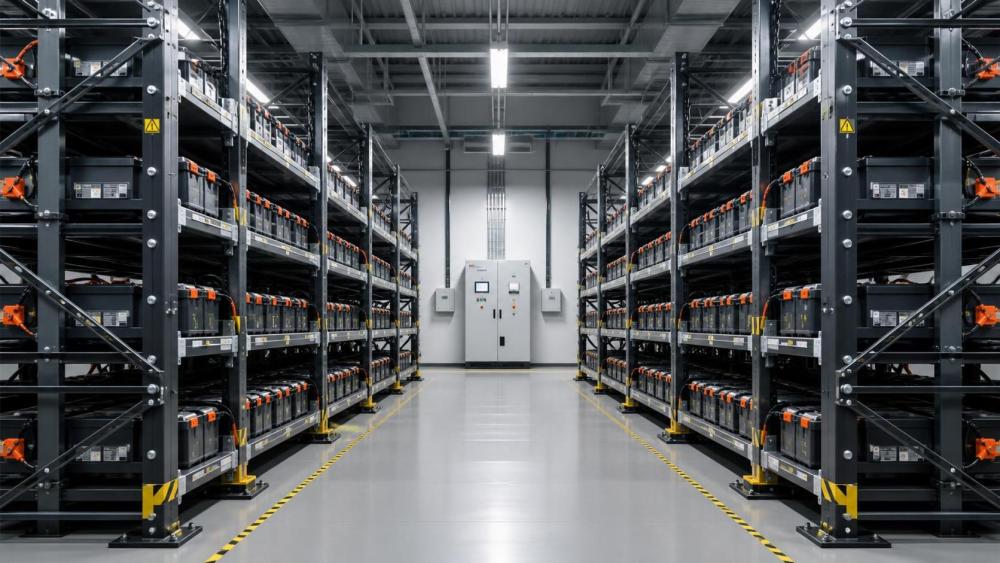
When users search for industrial battery racks, they usually are not looking for shelving alone. They are evaluating whether a rack system can support battery assets safely and operate reliably for years.
For technical assessment teams, the core question is straightforward: which rack design reduces structural risk, supports maintenance access, and fits the operating environment without creating avoidable lifecycle problems or compliance issues.
That means the best choice is rarely the lowest-cost frame. A suitable rack must match battery chemistry, module weight, room layout, seismic conditions, cable routing, ventilation needs, and service procedures.
In energy storage, telecom backup, industrial UPS, and charging infrastructure projects, battery racks are part of the safety architecture. Poor rack selection can complicate inspections, increase thermal constraints, and slow replacement work.
Technical evaluators therefore need a structured review method. Instead of comparing dimensions only, they should assess load path, corrosion resistance, anchoring details, aisle spacing, clearance, and compatibility with battery handling practices.
Start with Safety: Rack Design Must Control Mechanical, Electrical, and Operational Risk
Safety should be the first filter because battery racks operate under high static loads and often sit close to live electrical equipment. Weak rack design can turn a routine installation into a long-term hazard.
Mechanical safety starts with frame stability. Evaluators should review upright strength, beam integrity, cross-bracing, anchor requirements, and deflection limits under full load, including uneven loading during staged installation or replacement.
If the system is located in seismic regions, seismic qualification is not optional. The rack should be reviewed for local code requirements, anchoring methods, center-of-gravity behavior, and resistance to lateral movement.
Material selection also matters. In battery rooms, corrosion from humidity, cleaning chemicals, or electrolyte exposure can weaken steel over time. Galvanized steel, coated steel, or other corrosion-resistant finishes should fit the site conditions.
Electrical safety is equally important. Rack geometry must support safe cable separation, controlled routing, grounding provisions, and adequate clearance to reduce the chance of accidental contact during operation or maintenance.
For lithium-based systems, thermal event planning affects rack choice. The rack does not prevent cell failure by itself, but spacing, compartment design, and access around modules influence inspection, thermal monitoring, and emergency response.
Evaluators should also check whether the rack creates pinch points, obstructs fire detection devices, or limits access to disconnects. A structurally strong rack is still a poor choice if it complicates safe intervention.
Load Capacity Is More Than a Nameplate Number
Many buyers focus on the published load rating, but that number alone is not enough. Industrial battery racks must carry both total system weight and the way that weight is distributed across shelves and support members.
Battery modules are dense. A rack that looks oversized may still perform poorly if the shelf load is concentrated in small footprint areas, or if repeated maintenance causes local stress around mounting points.
Technical evaluators should confirm several load questions early. What is the rated load per shelf, per bay, and per rack assembly? Is that rating static only, or does it include operational conditions?
It is also important to check safety factors and test standards. Suppliers should be able to explain how the rack was validated, what assumptions were used, and whether the stated figures include real installation tolerances.
Another frequent oversight is future expansion. If the project may add battery strings later, the rack should be assessed for incremental loading, revised cable support, and anchor capacity under the final design state.
Handling loads during maintenance can differ from normal operation. When modules are removed from one level before others, temporary imbalance may occur. Good rack design accounts for these partial-load conditions.
Floor loading should not be ignored. Even if the industrial battery racks meet their own structural rating, concentrated loads may exceed floor capacity in retrofit projects, mezzanine spaces, or containerized installations.
For larger storage projects, a sound decision requires reviewing the full load chain: battery module mass, rack members, anchors, floor slab, and surrounding structural interface. Weakness anywhere in that chain creates project risk.
Maintenance Access Often Determines Real-World Performance
Technical evaluators usually understand that batteries need periodic inspection, torque checks, cleaning, monitoring verification, and eventual replacement. Yet maintenance access is often underweighted during early procurement comparison.
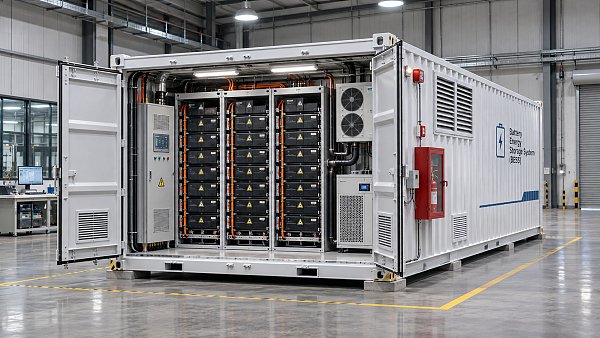
A rack that maximizes density may reduce serviceability. If technicians cannot safely reach terminals, slide out modules, inspect connectors, or isolate a string without awkward movement, operational risk increases over time.
Clearances should be assessed from the perspective of actual maintenance tasks, not just installation drawings. Can front access handle all service steps, or is side or rear access required for certain cable or terminal work?
Shelf height and lifting conditions are practical decision points. Heavy batteries placed too high create ergonomic and safety problems, especially in facilities where lifting tools or rail-assisted handling are limited.
Removable trays, slide mechanisms, open-front layouts, and modular shelves may improve service efficiency, but only if they are rated for the battery weight and do not weaken long-term structural performance.
Access planning should also include test equipment, infrared inspection, battery management interfaces, ventilation paths, and emergency removal routes. The right rack supports routine work without forcing technicians into unsafe positions.
Over the asset lifecycle, labor hours matter. Industrial battery racks that simplify maintenance can reduce downtime, shorten replacement windows, and lower the chance of accidental damage to cables, terminals, or adjacent modules.
Fit the Rack to the Battery Technology and Application Environment
Not all industrial battery racks serve the same technical context. A rack suitable for stationary lead-acid batteries may be poorly suited to lithium-ion cabinets, telecom backup strings, or hybrid energy storage rooms.
Battery chemistry affects weight, footprint, ventilation needs, corrosion concerns, and maintenance routines. Evaluators should avoid treating the rack as a generic support structure independent from the battery technology.
In lead-acid applications, issues such as spill management, ventilation, and corrosion resistance often take priority. In lithium-based systems, attention may shift toward module spacing, cable discipline, thermal monitoring, and fire safety integration.
Application environment matters just as much. Utility-scale storage, data center backup, manufacturing plants, and EV charging depots all impose different requirements for footprint efficiency, service access, environmental exposure, and reliability expectations.
Indoor battery rooms usually prioritize clear maintenance aisles and controlled environmental conditions. Outdoor or semi-protected sites may require stronger finishes, enclosure coordination, drainage planning, and resistance to dust or moisture.
For projects connected to renewable energy or distributed power systems, evaluators should also consider how the rack fits broader system integration. Access to BMS wiring, DC protection, and thermal equipment should remain practical after installation.
What to Ask Suppliers Before Shortlisting a Rack System
Technical teams can save time by using a focused supplier checklist. The goal is not to collect generic brochures, but to verify whether a vendor can support the real engineering and operational conditions of the project.
First, request detailed structural data. That includes material specifications, load ratings by configuration, anchor details, corrosion protection, seismic options, and any installation constraints that affect field performance.
Second, ask for testing and certification evidence where relevant. A supplier should clearly state which standards were used, what was tested, and whether the offered rack matches the tested configuration.
Third, confirm maintenance assumptions. Ask how modules are inserted and removed, what aisle clearances are recommended, whether lifting aids are needed, and how cable access is maintained after the system is energized.
Fourth, review site adaptation capability. Many projects need custom dimensions, tier counts, grounding provisions, or integration with battery cabinets and enclosures. Suppliers should explain what can be modified without invalidating ratings.
Fifth, check lifecycle support. Spare parts availability, finish durability, installation guidance, and documentation quality all affect long-term reliability. Weak documentation often signals weak control over field execution.
Finally, ask for reference applications similar to your own. A rack proven in telecom backup may not automatically suit a utility-scale battery energy storage project with different loading and maintenance conditions.
Common Evaluation Mistakes That Create Long-Term Problems
One common mistake is comparing industrial battery racks mainly by dimensions and price. This approach overlooks structural margin, access quality, and environmental fit, which often drive cost later in operations.
Another mistake is assuming the battery supplier and rack supplier have already aligned all interface details. In practice, terminal access, cable bend radius, mounting points, and inspection clearances may still require verification.
Some teams also underestimate installation sequencing. If the rack is difficult to anchor, align, level, or cable in tight spaces, project delays and field modifications become more likely.
Ignoring replacement scenarios is another recurring issue. A layout that works on day one may become problematic when a failed module must be removed without disturbing adjacent live strings.
Finally, evaluators sometimes review the rack in isolation from the room. Real performance depends on its relationship to fire protection, HVAC, access doors, lifting paths, floor condition, and adjacent electrical equipment.
A Practical Decision Framework for Technical Evaluators
The most effective way to choose industrial battery racks is to score them against a short list of project-critical criteria rather than relying on vendor descriptions alone.
Begin with non-negotiables: safety compliance, structural adequacy, environmental suitability, and maintainability. If a rack fails one of these categories, it should not stay in the shortlist.
Then compare operational factors such as installation effort, expansion flexibility, documentation quality, and compatibility with battery handling methods already used by the site or service contractor.
Where possible, involve both engineering and maintenance personnel in the review. Engineering teams validate design assumptions, while maintenance teams often identify access and service issues that drawings do not fully reveal.
For high-value energy assets, a modest improvement in rack serviceability or structural robustness can be worth far more than a small upfront saving. The decision should reflect lifecycle performance, not only procurement cost.
Conclusion: The Best Industrial Battery Racks Support Safe Operation Across the Full Asset Lifecycle
Choosing industrial battery racks is ultimately a risk and lifecycle decision. Technical evaluators should prioritize safety, verified load capacity, and maintenance access before comparing footprint efficiency or initial price.
A strong rack selection process considers structural behavior, battery technology, operating environment, access needs, and supplier credibility together. That approach helps prevent installation issues, service delays, and avoidable long-term reliability problems.
For energy storage, backup power, and electrification projects, the right rack is not just a support frame. It is part of the system infrastructure that protects assets, supports technicians, and sustains dependable operation over time.
Questions about market trends? Contact Market Scope Live for deeper business insights.
We respect your privacy. Your information is strictly confidential.
Related News
 Energy Storage Systems / BESSNYSERDA Opens Second 2026 Bulk Storage Solicitation Targeting 1 GWNYSERDA’s second 2026 bulk energy storage solicitation targets 1 GW. Explore the opportunity for developers, investors and New York’s grid.MORE+
 Energy Storage Systems / BESSCroatia’s First Transmission-Connected Standalone Battery Project Enters OperationCroatia’s first transmission-connected standalone battery project is operational. Discover how the 60 MW Šibenik facility could support grid flexibility.MORE+
 Energy Storage Systems / BESSAustralia's NEM Battery Storage Hits Record 20.17 GWh, Up 203% Year on YearAustralia's NEM battery storage reportedly hits 20.17 GWh, up 203% year on year. Explore what the record could mean for grid-scale projects and procurement.MORE+
 Energy Storage Systems / BESSC&I Energy Storage in Germany: What Drives Project ROI?C&I energy storage in Germany: discover what drives project ROI, from peak shaving and solar savings to costs, tariffs and smarter battery sizing.MORE+
 Energy Storage Systems / BESSChoosing Energy Storage Containers: Capacity, Power and Safety CriteriaCompare energy storage containers by usable capacity, power, safety and grid integration. Learn what to ask suppliers before choosing a system.MORE+
 Energy Storage Systems / BESSNeoen, Frontier Energy and Lightyears Secure Funding for Renewable ProjectsNeoen, Frontier Energy and Lightyears secure renewable energy financing. Explore what the funding means for solar, wind and battery storage projects.MORE+
 Energy Storage Systems / BESSChoosing a Battery Energy Storage Container Manufacturer: Key Supplier ChecksChoosing a battery energy storage containers manufacturer? Learn how to assess safety, integration, warranties and total costs before you buy.MORE+
 Energy Storage Systems / BESSCATL Introduces Grid Connection and Financing Commitments in AustraliaCATL introduces energy storage with 25-year grid connection and financing commitments in Australia. Explore what the proposed model means for projects.MORE+
 Energy Storage Systems / BESSPortugal Mandates Grid-Forming Capability for Large Storage and Launches 1 GW TenderPortugal grid-forming rules target large standalone energy storage projects as a 1 GW tender launches. Explore the implications for developers and suppliers.MORE+
 Energy Storage Systems / BESSAdding Battery Storage to Rooftop Solar: When to Use AC vs. DC CouplingExplore rooftop solar storage integration: compare AC vs. DC coupling, inverter compatibility, backup power, and lifecycle costs to choose the right battery setup.MORE+
 Energy Storage Systems / BESSHeron Power and NiSource Announce US Data Center Deals Involving BESSHeron Power and NiSource announce US data center deals involving BESS. Explore how transformer integration and long-term power supply are shaping data center energy plans.MORE+
 Energy Storage Systems / BESSPeak Energy Raises $108 Million as GM Ventures Leads Sodium-Ion Storage RoundPeak Energy raises $108 million in a GM Ventures-led round to scale sodium-ion storage for grids and AI data centers. Explore what buyers should assess before committing.MORE+
 Energy Storage Systems / BESSRondo Energy and Rio Tinto Begin Design of Australia's Largest Thermal Storage ProjectRondo Energy and Rio Tinto begin design of a 30 MW/360 MWh thermal storage project at Yarwun. Explore its potential for industrial decarbonization and future procurement.MORE+
 Energy Storage Systems / BESSCATL Nine-Month Net Profit Rises 31.6% as Energy Storage Emerges as a Growth DriverCATL’s reported nine-month net profit rose 31.6% as energy storage gains momentum. Explore what this shift could mean for battery buyers, overseas orders and procurement planning.MORE+
 Energy Storage Systems / BESSScalable Power Solutions for Commercial Facilities with Uneven Site DemandScalable power solutions for multi-site commercial facilities: optimize uneven demand, resilience, storage, solar, and controls with a repeatable portfolio strategy.MORE+
 Energy Storage Systems / BESSWhen Do Commercial Property Owners Face Peak Demand for On-Site Energy?Commercial property owners peak demand often occurs when HVAC, occupancy, EV charging, and equipment loads coincide. Discover practical strategies to manage costs, capacity, and on-site energy resilience.MORE+
 Energy Storage Systems / BESSWhen Does a Containerized Hybrid Solar-Storage System Make Sense for Remote Sites?containerized hybrid solar storage for remote sites: discover when it cuts diesel costs, improves reliability, and simplifies deployment with smarter sizing and design.MORE+
 Energy Storage Systems / BESSHow to Specify Steel Battery Enclosures for Outdoor BESS Fire and Corrosion RisksSteel battery enclosures: learn how to specify corrosion protection, fire-ready interfaces, drainage, and durable outdoor BESS performance.MORE+
 Energy Storage Systems / BESSBattery Energy Storage Cost: What Drives $/kWh and Project ROI?Battery energy storage cost explained: compare usable $/kWh, system scope, grid connection, warranty, and lifecycle factors to build a stronger storage ROI.MORE+
 Energy Storage Systems / BESSWhat Drives BESS Fire Protection Costs in Utility-Scale Storage Projects?Energy storage fire protection cost drivers explained: compare BESS safety systems, site design, compliance, and integration to budget smarter.MORE+
 Energy Storage Systems / BESSHow to Size Grid-Scale Energy Storage for Peak Shaving and Renewable FirmingGrid scale energy storage sizing guide for peak shaving and renewable firming—learn how to model MW, MWh, dispatch, degradation, and grid limits.MORE+
 Energy Storage Systems / BESSWhat Drives Battery Energy Management System Costs in BESS Projects?Battery energy management systems cost depends on controls, integration, grid compliance, cybersecurity, and lifecycle support. Learn how to evaluate BESS EMS proposals wisely.MORE+
 Energy Storage Systems / BESSHow to Size a Commercial Microgrid Battery System for Peak Shaving and Backup PowerCommercial microgrid battery system sizing guide for peak shaving and backup power—optimize kW, kWh, reserve SOC, controls, and resilience.MORE+
 Energy Storage Systems / BESSHow to Select a Battery Storage EPC Partner for Utility-Scale Projects in EuropeBattery storage EPC Europe: choose the right utility-scale partner with proven grid expertise, safety leadership, supply-chain control, and reliable commissioning.MORE+
 Energy Storage Systems / BESSHow to Evaluate a Stationary Battery Storage Manufacturer for Critical Backup PowerStationary battery storage manufacturer evaluation guide: compare safety, usable capacity, integration, warranties, lifecycle cost, and service support for reliable critical backup power.MORE+
 Energy Storage Systems / BESSDo Utilities Prefer Centralized or Distributed Energy Storage Models?Do utility companies prefer centralized or distributed energy storage models? Explore how grid constraints, costs, resilience, and control shape the best storage strategy.MORE+
 Energy Storage Systems / BESSWhat Fire Safety Requirements Apply to Containerized Battery Storage?What are the fire safety requirements for containerized battery storage systems? Explore codes, detection, suppression, ventilation, shutdown, and site design essentials.MORE+
 Energy Storage Systems / BESSIs EPEM Useful for Benchmarking Energy Storage Project Performance?Is EPEM useful for benchmarking energy storage project performance data? Explore how it helps normalize efficiency, availability, degradation, dispatch, and lifecycle risks.MORE+
 Energy Storage Systems / BESSBehind-the-Meter Energy Systems for Industrial Parks: Sizing Solar, Storage, and LoadsBehind the meter energy systems for industrial parks: learn how to size solar, storage, and loads for lower costs, resilient operations, and scalable growth.MORE+
 Energy Storage Systems / BESSAerosol Fire Protection for Energy Storage: Key Design Factors for BESS SafetyAerosol fire protection for energy storage: explore key BESS design factors for detection, ventilation, thermal runaway risk, and safer system integration.MORE+
 Energy Storage Systems / BESSHow to Size Solar Backup Energy Systems for Critical Commercial LoadsBackup energy systems with solar: learn how to size critical commercial loads, balance battery power and runtime, and build resilient operations.MORE+
 Energy Storage Systems / BESSWhat Criteria Should You Use to Shortlist Battery Storage EPC Contractors?What criteria should be used to shortlist battery storage EPC contractors? Explore essential checks for engineering, safety, grid integration, delivery, and lifecycle value.MORE+
 Energy Storage Systems / BESSCan Battery Storage Be Added to Existing Solar Farms Without Replacing Inverters?Can battery storage be integrated into existing solar farms without replacing inverters? Explore AC-coupled retrofits, grid limits, controls, costs, and value.MORE+
 Energy Storage Systems / BESSAre Containerized Battery Storage Systems Safe for Urban Deployment?Are containerized battery storage systems safe for urban deployment? Explore key safety factors, fire planning, standards, and site design for reliable urban BESS projects.MORE+
 Energy Storage Systems / BESSSodium-Ion vs Lithium-Ion: Which Is Better for Long-Duration Storage?Is sodium-ion battery better than lithium-ion for long duration storage? Explore cost, safety, energy density, warranties, and the best fit for your storage project.MORE+
 Energy Storage Systems / BESSHow to Size Grid-Scale Battery Energy Storage for Peak Shaving and Grid SupportGrid scale battery energy storage sizing made practical: learn how to match MW, MWh, dispatch, degradation, and grid constraints for reliable peak shaving and grid support.MORE+
 Energy Storage Systems / BESSHow to Integrate Solar and Battery Storage for Reliable Commercial Power ProjectsSolar storage project integration for commercial sites: learn to align load analysis, battery sizing, controls, safety, and grid compliance for reliable power.MORE+
 Energy Storage Systems / BESSHow Does Battery Thermal Management Affect Charger Uptime in Hot Climates?How does battery thermal management affect charger uptime in hot climates? Explore cooling strategies that reduce derating, protect assets, and keep EV charging reliable.MORE+
 Energy Storage Systems / BESSAre Sodium-Ion Batteries Ready for Commercial Charging Storage in 2026?Are sodium-ion batteries ready for commercial charging station storage in 2026? Explore costs, safety, footprint trade-offs, and project-fit insights.MORE+
 Energy Storage Systems / BESSHow to Size Energy Storage Containers for Reliable Microgrid PerformanceEnergy storage containers for microgrids: learn how to size capacity, power, backup duration, and reserve margins to improve reliability, cut costs, and support smarter project decisions.MORE+