How to Choose Backup Energy Systems for Hospitals by Load, Runtime, and Safety Needs
Hospitals cannot treat backup power as a simple equipment purchase. Choosing backup energy systems for hospitals means aligning electrical load, expected outage duration, and safety obligations with a resilient power architecture.
That task matters more now because healthcare facilities face grid instability, severe weather, cyber risk, and tighter operational expectations. At the same time, energy storage, microgrids, digital controls, and cleaner distributed power options are reshaping emergency power planning.
From an industry perspective, the issue sits at the intersection of infrastructure resilience, energy transition, and lifecycle asset management. That is why backup energy systems for hospitals are now reviewed not only by facility teams, but also through broader investment and risk lenses.
Why hospital backup power needs a different approach
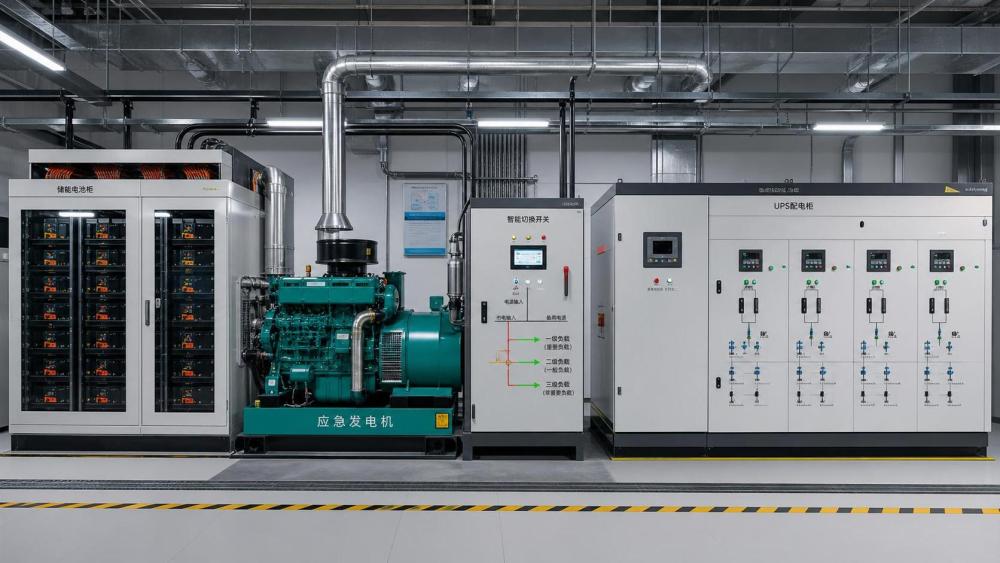
A hospital uses electricity differently from most commercial buildings. Power loss is not only an inconvenience. It can interrupt surgery, oxygen delivery, laboratory preservation, digital records access, and infection control systems within minutes.
Even within one campus, not every load has the same urgency. Intensive care, emergency lighting, nurse call systems, imaging, ventilation, pharmacy refrigeration, and data rooms may each require different transfer times and runtime targets.
This is where many projects go wrong. They size backup capacity around total building demand, yet fail to map which loads must remain live instantly, which can tolerate a short delay, and which should stay offline during emergencies.
In practical terms, backup energy systems for hospitals must be designed as layered systems. Fast response supports life safety. Longer duration protects operations. Control systems coordinate priorities when fuel, stored energy, or grid support is constrained.
Start with load segmentation, not equipment preference
The first decision is not generator versus battery. It is a structured load assessment. Hospitals need a realistic electrical map showing critical, essential, and deferrable demand under both normal and emergency conditions.
A useful planning model often separates loads into several tiers:
- No-interruption loads, such as operating room support systems, monitoring, and core digital controls.
- Short-interruption loads, where transfer can occur in seconds without clinical harm.
- Extended-support loads, including HVAC for sensitive zones, sterilization, and selected diagnostics.
- Operational continuity loads, which preserve business and administrative functions during prolonged outages.
This segmentation shapes the technical mix. Uninterruptible power supply systems may bridge the first seconds. Generators may carry bulk demand for hours or days. Battery storage may stabilize transfers, reduce generator oversizing, or support selected circuits quietly.
For decision quality, planners should examine peak load, average load, startup current, harmonic behavior, power quality sensitivity, and seasonal variation. Imaging equipment, chillers, pumps, and air handling units can distort simple nameplate calculations.
Why measured data matters
Historic utility bills are not enough. Interval metering, feeder-level monitoring, and branch circuit data provide a more reliable basis for choosing backup energy systems for hospitals, especially in older facilities with changing clinical layouts.
This data-driven approach also aligns with the wider market trend toward digital energy management. Platforms like EPEM increasingly track how monitoring, controls, and distributed energy integration improve planning accuracy and long-term system performance.
Runtime planning should reflect actual outage risk
Runtime is often reduced to a single question: how many hours of backup are needed. In reality, the answer depends on outage cause, site location, fuel logistics, grid reliability, and the hospital’s role in local emergency response.
A dense urban hospital may face short grid disturbances but limited fuel storage. A regional medical center may need to operate through storms, transport disruptions, and multi-day restoration delays. The backup design should match that exposure.
The table below shows a practical way to connect load priority with runtime strategy.
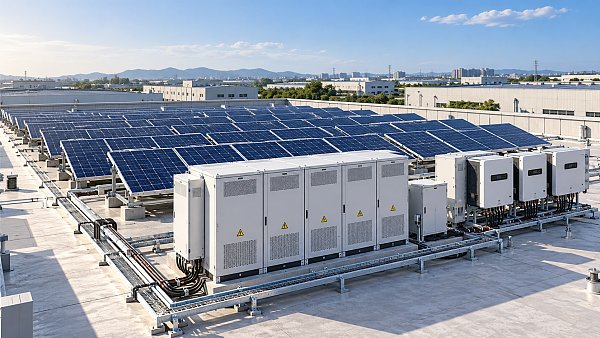
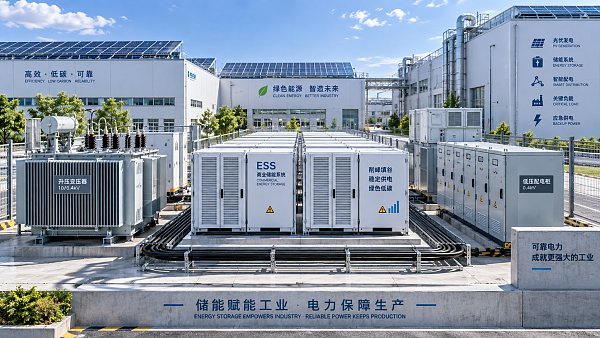
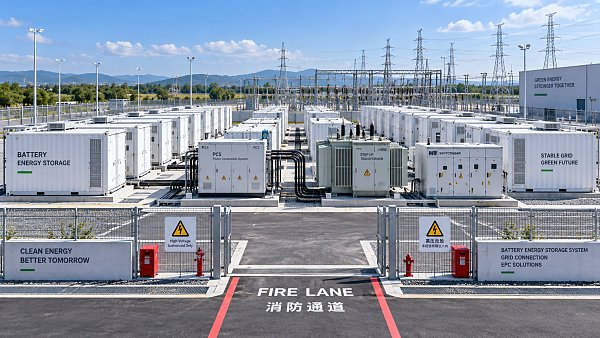
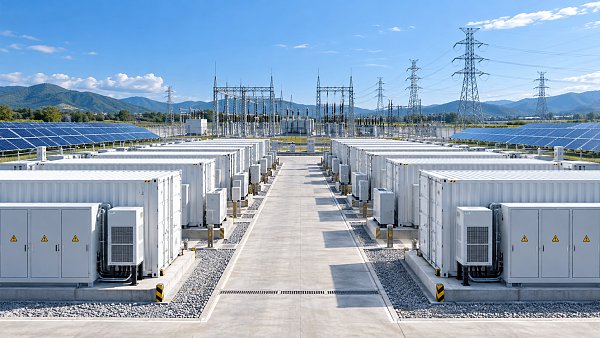
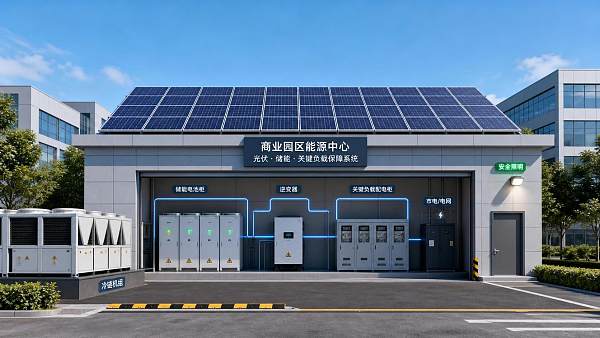
For many sites, the best answer is not a single technology. Hybrid backup energy systems for hospitals can combine diesel or gas generation with batteries, switchgear intelligence, and, where feasible, onsite solar or microgrid controls.
That combination can reduce fuel use, improve transfer quality, support black start strategies, and create more flexibility during longer outages. It also reflects how modern power infrastructure is becoming more distributed and digitally coordinated.
Safety requirements shape technology choices
Safety is not a final checklist item. It determines room layout, ventilation, fire suppression, cable routing, fuel handling, battery chemistry selection, and control logic from the start of the project.
Hospitals face stricter consequences from system failure because backup assets operate near vulnerable patients, sensitive electronics, and tightly regulated environments. A technically efficient system is still unsuitable if it creates unacceptable fire, emissions, or operational hazards.
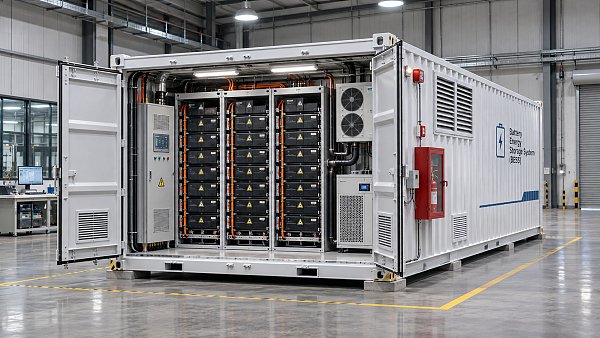
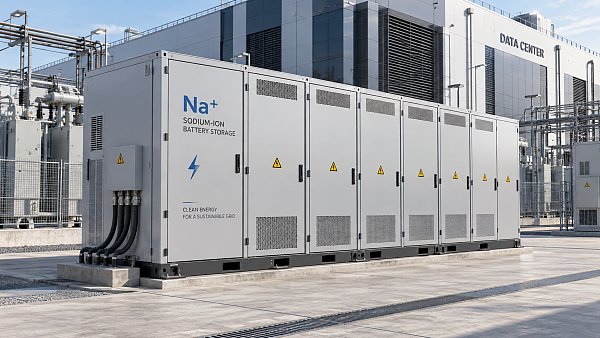
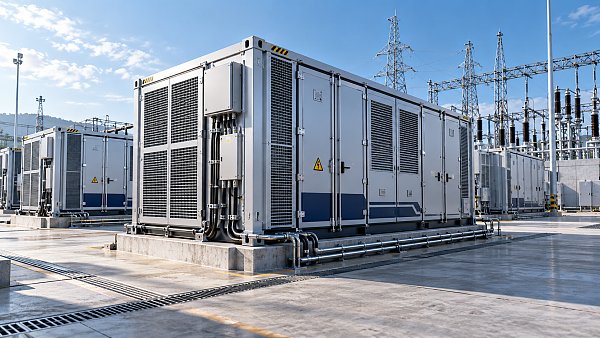
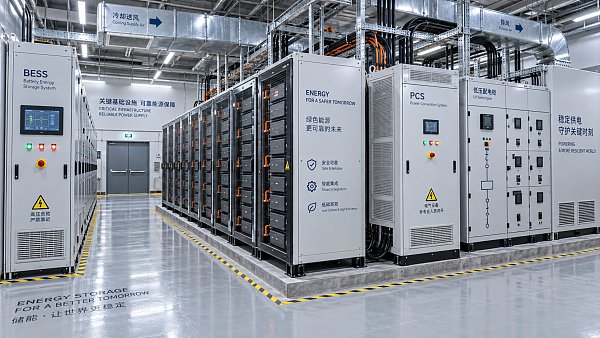
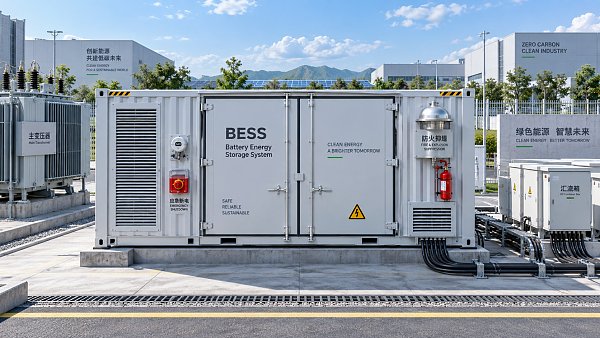
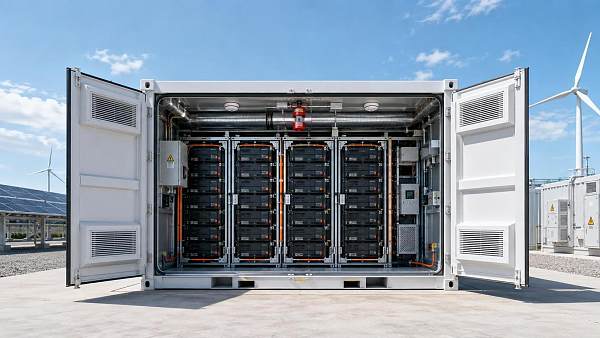
For battery-based systems, attention usually centers on thermal management, battery management systems, enclosure design, gas detection, fire isolation, and emergency shutdown coordination. These are not side issues. They define bankability and operational acceptability.
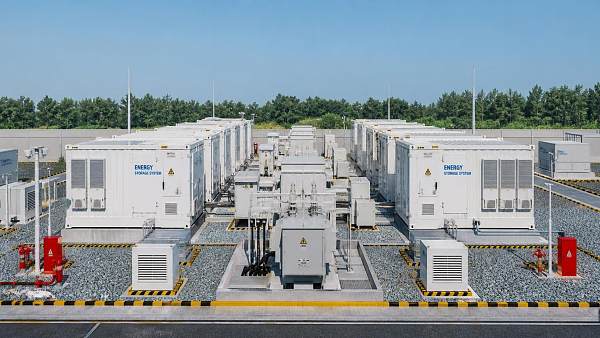
For engine-based systems, fuel quality, exhaust routing, acoustic performance, maintenance access, and starting reliability remain critical. A generator that passes a factory test may still underperform onsite if fuel storage, synchronization, or transfer switching is poorly engineered.
Codes, testing, and resilience discipline
Compliance standards vary by market, but the planning principle is consistent. Backup energy systems for hospitals must be tested under realistic scenarios, not only under ideal commissioning conditions.
That includes black start behavior, partial-load efficiency, transfer timing, battery degradation assumptions, cooling system performance, and failure of individual components. Resilience comes from verified system behavior, not from installed capacity alone.
How broader energy trends are changing hospital backup planning
Emergency power is no longer isolated from wider energy strategy. Grid modernization, digital substations, advanced metering, and distributed energy resources are influencing how hospitals think about resilience investments.
This is one reason industry intelligence matters. EPEM’s coverage of energy storage, grid controls, renewable integration, microgrids, and fire safety reflects the same themes now entering healthcare infrastructure decisions.
For example, a battery system once evaluated only for peak shaving may now be reviewed as part of a hospital emergency support strategy. A microgrid once framed as a sustainability project may now be justified by outage resilience and continuity risk reduction.
More importantly, financing and procurement decisions are shifting. Buyers increasingly compare not only capital cost, but also emissions profile, maintenance intensity, digital visibility, fuel dependence, site constraints, and lifecycle performance.
A practical framework for selecting backup energy systems for hospitals
A structured evaluation process usually produces better results than technology-first bidding. The following checkpoints are especially useful when comparing options.
- Define load tiers by clinical consequence, not by convenience.
- Set separate runtime targets for immediate care, essential operations, and prolonged event management.
- Review space, ventilation, noise, fuel, and fire protection constraints before selecting technology.
- Check interoperability between UPS, switchgear, generators, batteries, and building controls.
- Use degradation and maintenance assumptions in economic models, not idealized performance values.
- Plan regular testing under realistic emergency sequences.
It also helps to ask what problem the system must solve beyond outage compliance. Some sites need seamless continuity. Others need multi-day autonomy. Some need a pathway toward low-carbon resilience without sacrificing safety margins.
That distinction affects whether the preferred solution is generator-dominant, battery-assisted, or microgrid-based. It also influences procurement specifications, control architecture, and service agreements over the asset life.
Where to focus next
The strongest decisions usually begin with three actions: measure real critical loads, define outage scenarios by probability and consequence, and test whether the current power architecture can meet both clinical and safety expectations.
From there, comparing backup energy systems for hospitals becomes more objective. Runtime targets, safety features, controls, and lifecycle cost can be judged against actual risk rather than generic assumptions.
Hospitals that take this route are better positioned to evaluate generators, batteries, microgrids, and hybrid systems within the wider transition toward smarter and more resilient energy infrastructure. The next step is not choosing a brand first. It is building a sharper decision framework.
- grid modernization
- microgrids
- battery management systems
- digital substations
- energy transition
- energy storage
- peak shaving
- distributed energy resources
- power infrastructure
- power quality
- switchgear
- renewable integration
- backup energy systems
- distributed energy
- distributed energy integration
- digital energy management
- backup energy systems for hospitals
Questions about market trends? Contact Market Scope Live for deeper business insights.
We respect your privacy. Your information is strictly confidential.
Related News
 Energy Storage Systems / BESSCroatia’s First Transmission-Connected Standalone Battery Project Enters OperationCroatia’s first transmission-connected standalone battery project is operational. Discover how the 60 MW Šibenik facility could support grid flexibility.MORE+
 Energy Storage Systems / BESSAustralia's NEM Battery Storage Hits Record 20.17 GWh, Up 203% Year on YearAustralia's NEM battery storage reportedly hits 20.17 GWh, up 203% year on year. Explore what the record could mean for grid-scale projects and procurement.MORE+
 Energy Storage Systems / BESSC&I Energy Storage in Germany: What Drives Project ROI?C&I energy storage in Germany: discover what drives project ROI, from peak shaving and solar savings to costs, tariffs and smarter battery sizing.MORE+
 Energy Storage Systems / BESSChoosing Energy Storage Containers: Capacity, Power and Safety CriteriaCompare energy storage containers by usable capacity, power, safety and grid integration. Learn what to ask suppliers before choosing a system.MORE+
 Energy Storage Systems / BESSNeoen, Frontier Energy and Lightyears Secure Funding for Renewable ProjectsNeoen, Frontier Energy and Lightyears secure renewable energy financing. Explore what the funding means for solar, wind and battery storage projects.MORE+
 Energy Storage Systems / BESSChoosing a Battery Energy Storage Container Manufacturer: Key Supplier ChecksChoosing a battery energy storage containers manufacturer? Learn how to assess safety, integration, warranties and total costs before you buy.MORE+
 Energy Storage Systems / BESSCATL Introduces Grid Connection and Financing Commitments in AustraliaCATL introduces energy storage with 25-year grid connection and financing commitments in Australia. Explore what the proposed model means for projects.MORE+
 Energy Storage Systems / BESSPortugal Mandates Grid-Forming Capability for Large Storage and Launches 1 GW TenderPortugal grid-forming rules target large standalone energy storage projects as a 1 GW tender launches. Explore the implications for developers and suppliers.MORE+
 Energy Storage Systems / BESSAdding Battery Storage to Rooftop Solar: When to Use AC vs. DC CouplingExplore rooftop solar storage integration: compare AC vs. DC coupling, inverter compatibility, backup power, and lifecycle costs to choose the right battery setup.MORE+
 Energy Storage Systems / BESSHeron Power and NiSource Announce US Data Center Deals Involving BESSHeron Power and NiSource announce US data center deals involving BESS. Explore how transformer integration and long-term power supply are shaping data center energy plans.MORE+
 Energy Storage Systems / BESSPeak Energy Raises $108 Million as GM Ventures Leads Sodium-Ion Storage RoundPeak Energy raises $108 million in a GM Ventures-led round to scale sodium-ion storage for grids and AI data centers. Explore what buyers should assess before committing.MORE+
 Energy Storage Systems / BESSRondo Energy and Rio Tinto Begin Design of Australia's Largest Thermal Storage ProjectRondo Energy and Rio Tinto begin design of a 30 MW/360 MWh thermal storage project at Yarwun. Explore its potential for industrial decarbonization and future procurement.MORE+
 Energy Storage Systems / BESSCATL Nine-Month Net Profit Rises 31.6% as Energy Storage Emerges as a Growth DriverCATL’s reported nine-month net profit rose 31.6% as energy storage gains momentum. Explore what this shift could mean for battery buyers, overseas orders and procurement planning.MORE+
 Energy Storage Systems / BESSScalable Power Solutions for Commercial Facilities with Uneven Site DemandScalable power solutions for multi-site commercial facilities: optimize uneven demand, resilience, storage, solar, and controls with a repeatable portfolio strategy.MORE+
 Energy Storage Systems / BESSWhen Do Commercial Property Owners Face Peak Demand for On-Site Energy?Commercial property owners peak demand often occurs when HVAC, occupancy, EV charging, and equipment loads coincide. Discover practical strategies to manage costs, capacity, and on-site energy resilience.MORE+
 Energy Storage Systems / BESSWhen Does a Containerized Hybrid Solar-Storage System Make Sense for Remote Sites?containerized hybrid solar storage for remote sites: discover when it cuts diesel costs, improves reliability, and simplifies deployment with smarter sizing and design.MORE+
 Energy Storage Systems / BESSHow to Specify Steel Battery Enclosures for Outdoor BESS Fire and Corrosion RisksSteel battery enclosures: learn how to specify corrosion protection, fire-ready interfaces, drainage, and durable outdoor BESS performance.MORE+
 Energy Storage Systems / BESSBattery Energy Storage Cost: What Drives $/kWh and Project ROI?Battery energy storage cost explained: compare usable $/kWh, system scope, grid connection, warranty, and lifecycle factors to build a stronger storage ROI.MORE+
 Energy Storage Systems / BESSWhat Drives BESS Fire Protection Costs in Utility-Scale Storage Projects?Energy storage fire protection cost drivers explained: compare BESS safety systems, site design, compliance, and integration to budget smarter.MORE+
 Energy Storage Systems / BESSHow to Size Grid-Scale Energy Storage for Peak Shaving and Renewable FirmingGrid scale energy storage sizing guide for peak shaving and renewable firming—learn how to model MW, MWh, dispatch, degradation, and grid limits.MORE+
 Energy Storage Systems / BESSWhat Drives Battery Energy Management System Costs in BESS Projects?Battery energy management systems cost depends on controls, integration, grid compliance, cybersecurity, and lifecycle support. Learn how to evaluate BESS EMS proposals wisely.MORE+
 Energy Storage Systems / BESSHow to Size a Commercial Microgrid Battery System for Peak Shaving and Backup PowerCommercial microgrid battery system sizing guide for peak shaving and backup power—optimize kW, kWh, reserve SOC, controls, and resilience.MORE+
 Energy Storage Systems / BESSHow to Select a Battery Storage EPC Partner for Utility-Scale Projects in EuropeBattery storage EPC Europe: choose the right utility-scale partner with proven grid expertise, safety leadership, supply-chain control, and reliable commissioning.MORE+
 Energy Storage Systems / BESSHow to Evaluate a Stationary Battery Storage Manufacturer for Critical Backup PowerStationary battery storage manufacturer evaluation guide: compare safety, usable capacity, integration, warranties, lifecycle cost, and service support for reliable critical backup power.MORE+
 Energy Storage Systems / BESSDo Utilities Prefer Centralized or Distributed Energy Storage Models?Do utility companies prefer centralized or distributed energy storage models? Explore how grid constraints, costs, resilience, and control shape the best storage strategy.MORE+
 Energy Storage Systems / BESSWhat Fire Safety Requirements Apply to Containerized Battery Storage?What are the fire safety requirements for containerized battery storage systems? Explore codes, detection, suppression, ventilation, shutdown, and site design essentials.MORE+
 Energy Storage Systems / BESSIs EPEM Useful for Benchmarking Energy Storage Project Performance?Is EPEM useful for benchmarking energy storage project performance data? Explore how it helps normalize efficiency, availability, degradation, dispatch, and lifecycle risks.MORE+
 Energy Storage Systems / BESSBehind-the-Meter Energy Systems for Industrial Parks: Sizing Solar, Storage, and LoadsBehind the meter energy systems for industrial parks: learn how to size solar, storage, and loads for lower costs, resilient operations, and scalable growth.MORE+
 Energy Storage Systems / BESSAerosol Fire Protection for Energy Storage: Key Design Factors for BESS SafetyAerosol fire protection for energy storage: explore key BESS design factors for detection, ventilation, thermal runaway risk, and safer system integration.MORE+
 Energy Storage Systems / BESSHow to Size Solar Backup Energy Systems for Critical Commercial LoadsBackup energy systems with solar: learn how to size critical commercial loads, balance battery power and runtime, and build resilient operations.MORE+
 Energy Storage Systems / BESSWhat Criteria Should You Use to Shortlist Battery Storage EPC Contractors?What criteria should be used to shortlist battery storage EPC contractors? Explore essential checks for engineering, safety, grid integration, delivery, and lifecycle value.MORE+
 Energy Storage Systems / BESSCan Battery Storage Be Added to Existing Solar Farms Without Replacing Inverters?Can battery storage be integrated into existing solar farms without replacing inverters? Explore AC-coupled retrofits, grid limits, controls, costs, and value.MORE+
 Energy Storage Systems / BESSAre Containerized Battery Storage Systems Safe for Urban Deployment?Are containerized battery storage systems safe for urban deployment? Explore key safety factors, fire planning, standards, and site design for reliable urban BESS projects.MORE+
 Energy Storage Systems / BESSSodium-Ion vs Lithium-Ion: Which Is Better for Long-Duration Storage?Is sodium-ion battery better than lithium-ion for long duration storage? Explore cost, safety, energy density, warranties, and the best fit for your storage project.MORE+
 Energy Storage Systems / BESSHow to Size Grid-Scale Battery Energy Storage for Peak Shaving and Grid SupportGrid scale battery energy storage sizing made practical: learn how to match MW, MWh, dispatch, degradation, and grid constraints for reliable peak shaving and grid support.MORE+
 Energy Storage Systems / BESSHow to Integrate Solar and Battery Storage for Reliable Commercial Power ProjectsSolar storage project integration for commercial sites: learn to align load analysis, battery sizing, controls, safety, and grid compliance for reliable power.MORE+
 Energy Storage Systems / BESSHow Does Battery Thermal Management Affect Charger Uptime in Hot Climates?How does battery thermal management affect charger uptime in hot climates? Explore cooling strategies that reduce derating, protect assets, and keep EV charging reliable.MORE+
 Energy Storage Systems / BESSAre Sodium-Ion Batteries Ready for Commercial Charging Storage in 2026?Are sodium-ion batteries ready for commercial charging station storage in 2026? Explore costs, safety, footprint trade-offs, and project-fit insights.MORE+
 Energy Storage Systems / BESSHow to Size Energy Storage Containers for Reliable Microgrid PerformanceEnergy storage containers for microgrids: learn how to size capacity, power, backup duration, and reserve margins to improve reliability, cut costs, and support smarter project decisions.MORE+
 Energy Storage Systems / BESSHow to Evaluate a Fast Frequency Response Inverter for Grid-Scale BESS?Fast frequency response inverter evaluation for grid-scale BESS: learn how to assess control speed, thermal stability, grid-code behavior, and procurement-critical performance before you buy.MORE+