Do Utilities Prefer Centralized or Distributed Energy Storage Models?
Utilities do not make a permanent, system-wide choice between centralized and distributed energy storage. They tend to prefer the model that solves the constraint they can identify, control, and justify within their regulatory and market structure. A transmission-connected battery may be the stronger choice for replacing peaking capacity, absorbing large renewable output, or supplying system-level ancillary services. Smaller batteries on distribution feeders, at substations, or behind customer meters can be more valuable when the problem is local overload, voltage management, outage exposure, or expensive distribution upgrades.
For utilities asking whether centralized or distributed storage offers the better model, the practical answer is often a portfolio: centralized assets for bulk-system flexibility and distributed assets for location-specific grid needs. The difficult part is not recognizing that both have a role. It is determining where storage creates enough avoided cost, reliability value, or operational value to support its lifetime cost.
Centralized storage remains attractive when the grid problem is large and visible
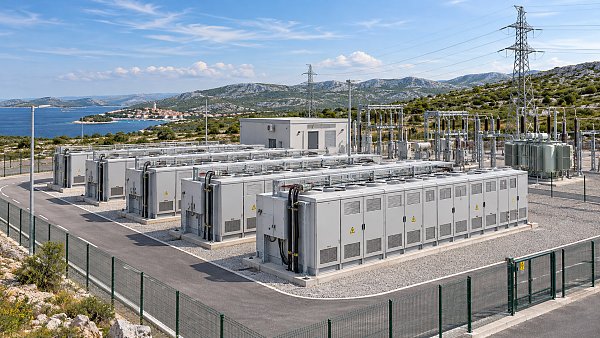
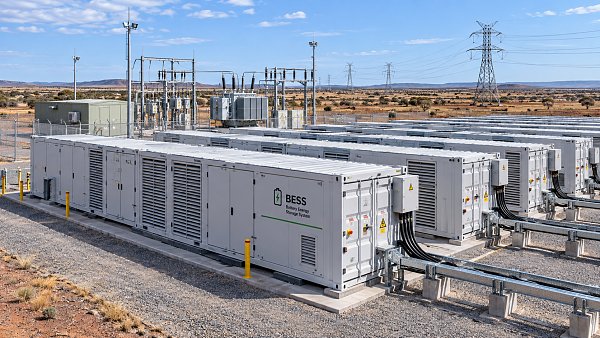
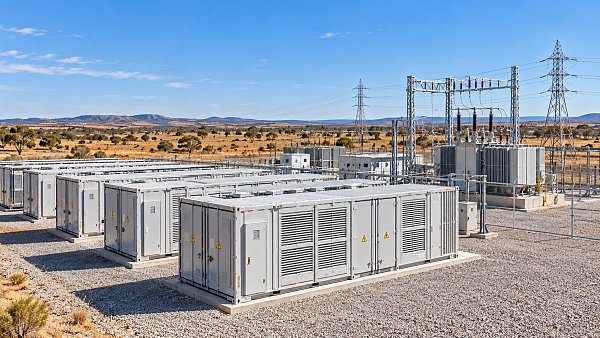
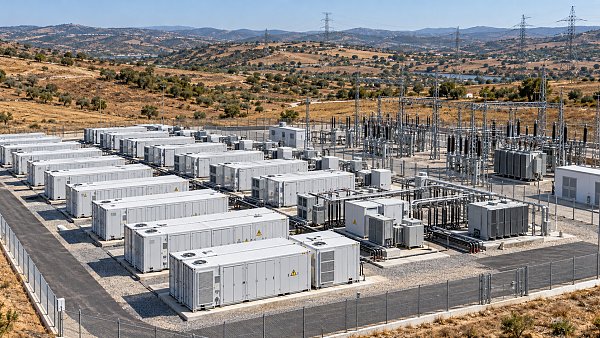
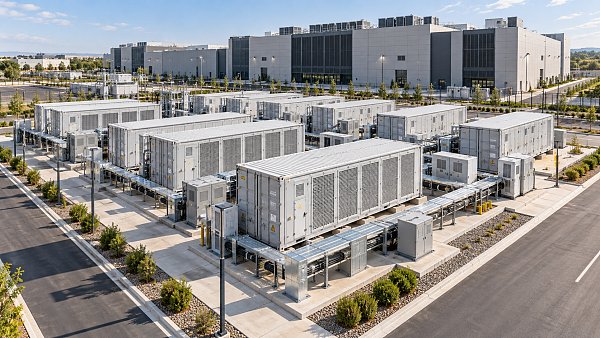
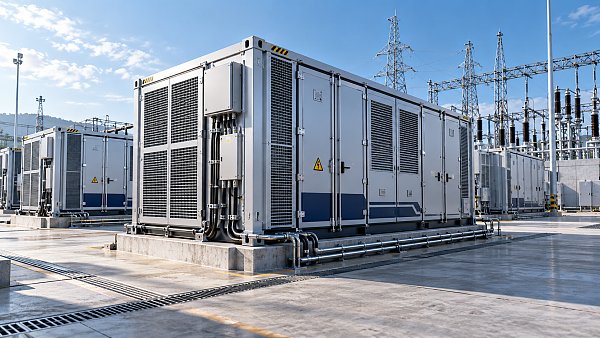
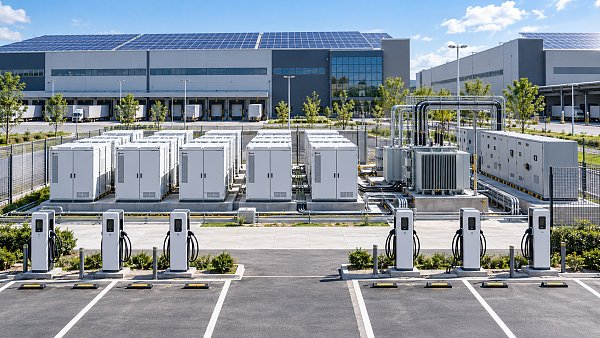
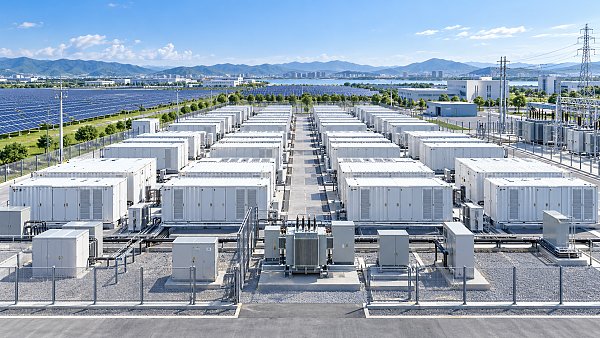
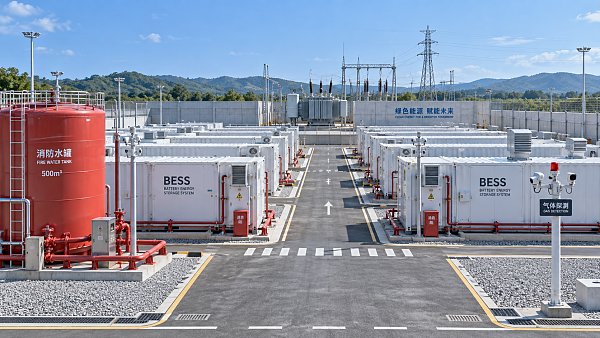
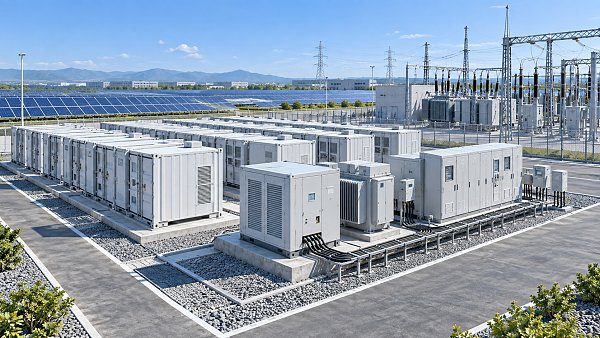
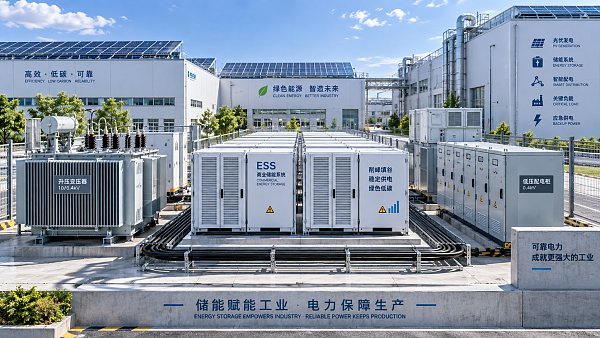
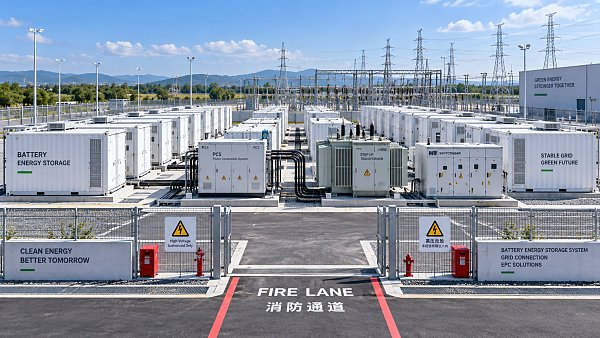
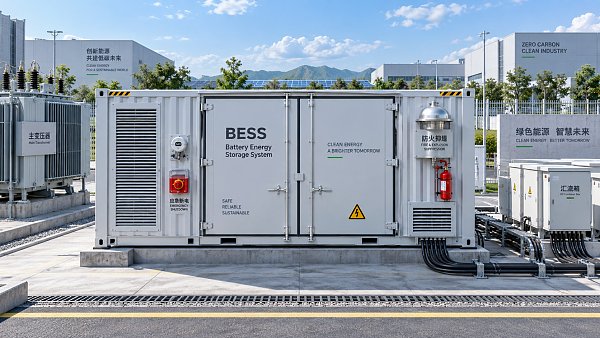
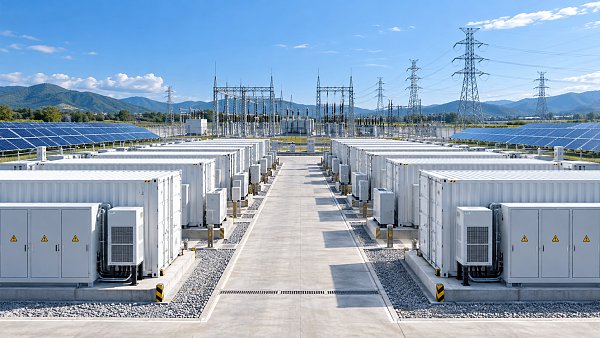
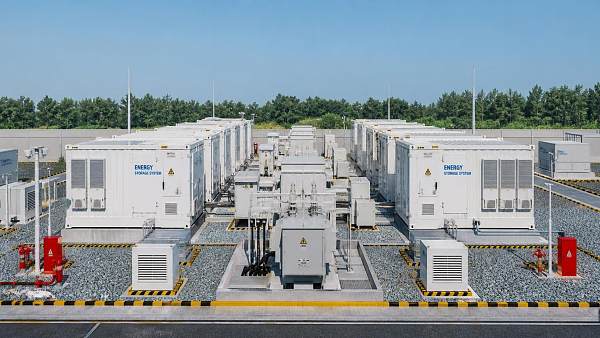
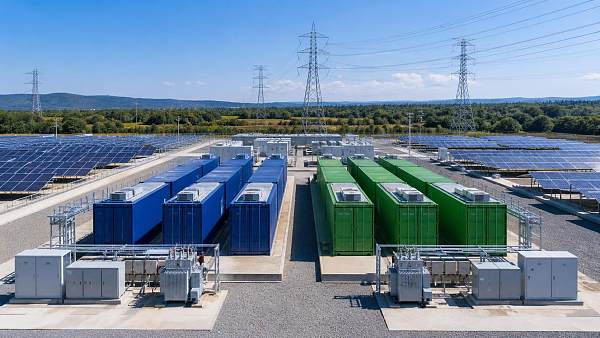
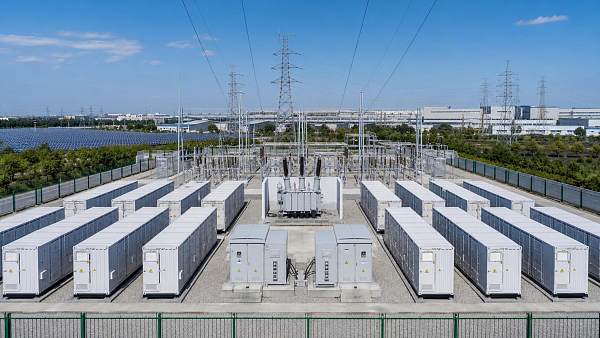
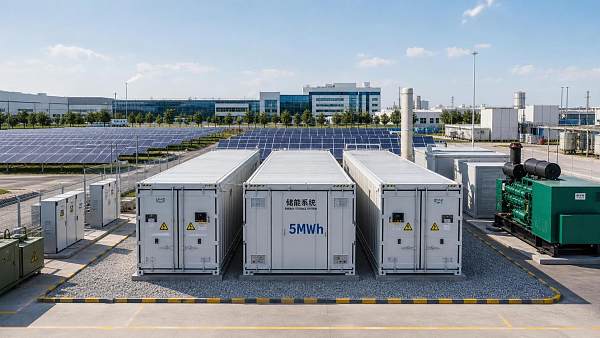
Centralized energy storage generally refers to large battery plants connected to the transmission grid or to major generation and substation nodes. These projects are usually developed as distinct utility-scale assets, with a single owner or contracted operator, a defined interconnection point, and dispatch controlled through established utility or market processes.
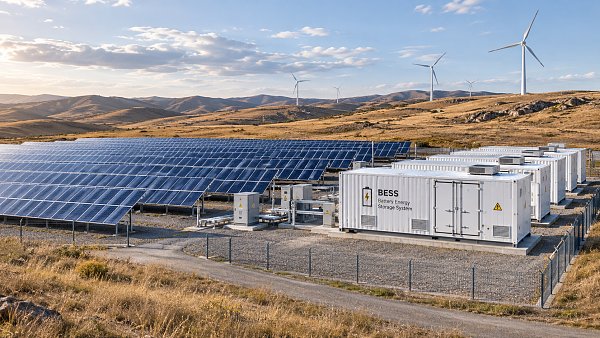
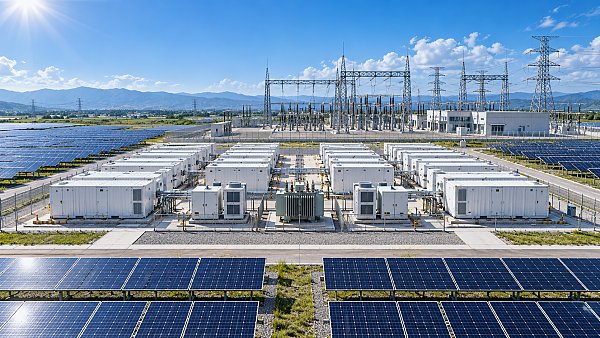
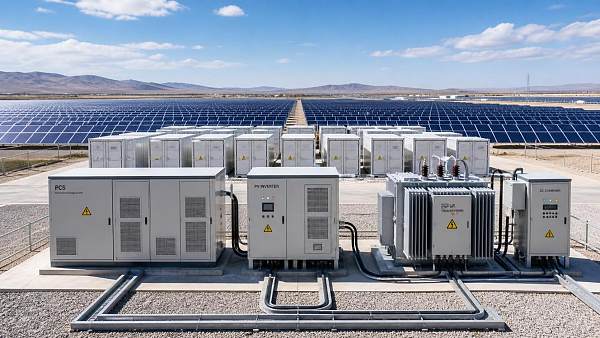
This model is often favored where a utility needs substantial power capacity in one place. A battery located near a solar or wind cluster can reduce curtailment and shift energy away from periods of low demand. A battery near a constrained transmission interface may help manage congestion or defer the need for a conventional peaking plant. In systems with formal wholesale markets, a centrally controlled resource may also be positioned to provide energy, reserves, frequency response, or capacity services, subject to market rules.
Its appeal is partly operational. One project can add a meaningful amount of dispatchable power without managing thousands of separate customer or site agreements. The utility can set protection requirements, communications architecture, maintenance standards, cybersecurity controls, and operating limits through a relatively contained project structure. Planning teams can model the asset against transmission constraints and resource adequacy needs with more confidence than they can model a loosely assembled group of customer-owned batteries.
Centralization also makes sense when land, permitting, and interconnection can be secured at a strong grid location. A utility-scale battery installed where it relieves a recognized system bottleneck can deliver several services from the same asset. That does not mean every large battery has multiple revenue streams in practice. Some services may conflict in time, and regulated utilities may need to demonstrate that the chosen dispatch benefits customers rather than simply maximizing merchant returns. Still, a well-sited centralized project offers a clear ownership and control model.
There are limits. A large battery cannot resolve a low-voltage issue several feeders away, and it cannot always prevent an overloaded local transformer or substation. It may also require a lengthy interconnection process, major substation work, new transmission equipment, and more complex siting approvals. The battery's nameplate capacity can look compelling in planning documents while its ability to serve a particular local load remains constrained by the wires between the plant and that load.
For that reason, a centralized project should not be treated as a universal substitute for distribution investment. It is a bulk-system tool first, even though it can create distribution benefits under the right network conditions.
Distributed storage is chosen when location matters more than aggregate megawatts
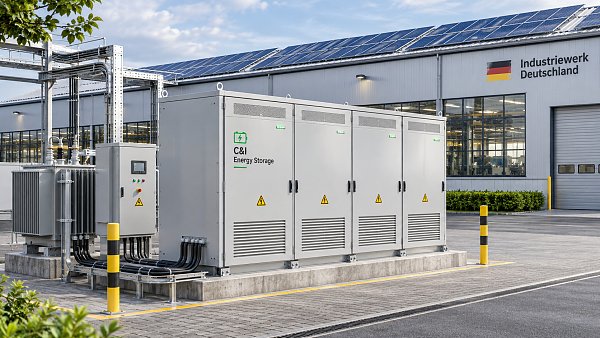
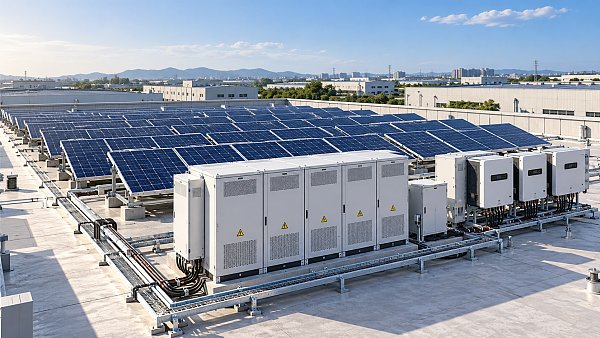
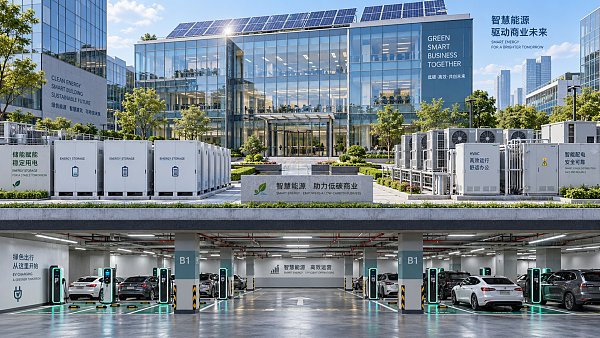
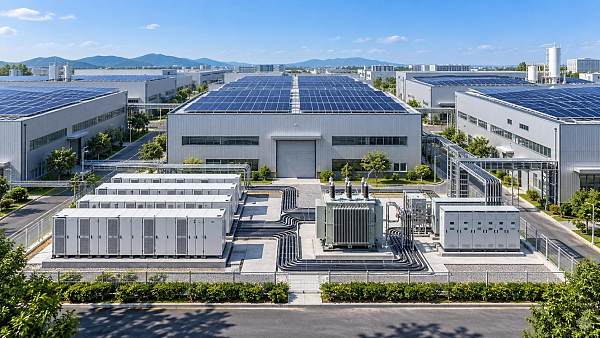
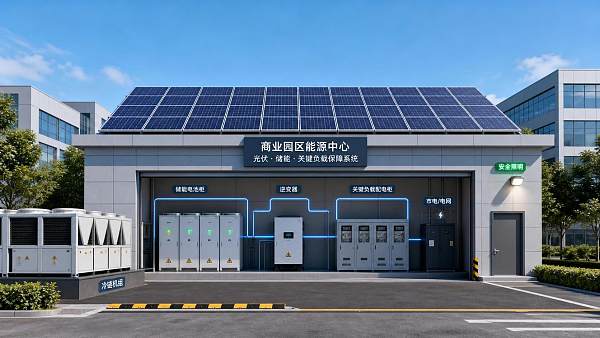
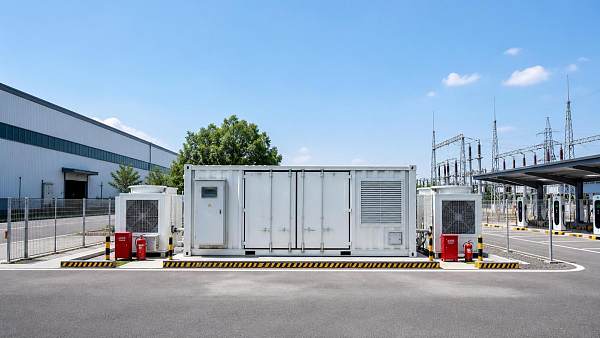
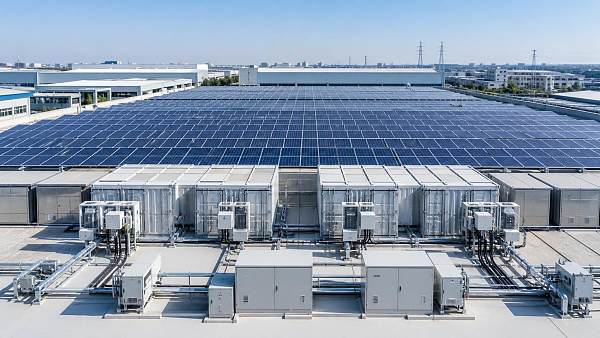
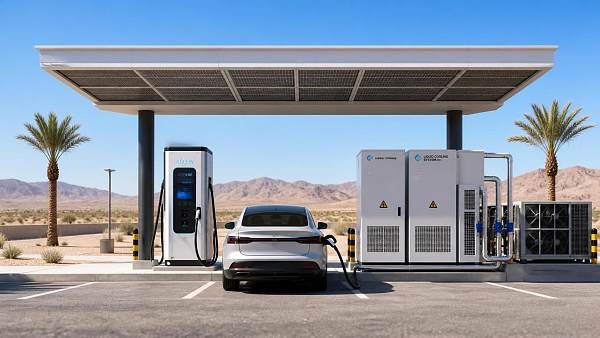
Distributed energy storage places smaller assets closer to load or distributed generation. The batteries may sit at distribution substations, community facilities, commercial sites, EV charging depots, microgrids, or customer premises. They can be utility-owned, third-party-owned, customer-owned, or managed through a mix of contracts and incentives.
Utilities become more interested in this model when capacity is scarce at the edge of the grid rather than across the entire system. A distribution feeder serving fast-growing residential demand, rooftop solar, a logistics facility, or high-power vehicle charging may face overload only during specific hours. A battery placed near that constraint can reduce peak flow through upstream equipment. If it reliably discharges at the right time, the utility may defer a transformer replacement, feeder reconductoring, or substation expansion.
Distributed batteries can also support voltage control and manage reverse power flow from local solar generation. These benefits depend heavily on inverter settings, visibility, and coordination with existing voltage-regulation equipment. A battery that is useful to its owner but invisible to the distribution operator may do little to improve grid operations. In some circumstances, unmanaged charging can create a new evening peak or compound a local constraint.
Resilience is another reason utilities consider distributed storage. Critical facilities such as hospitals, water systems, emergency shelters, telecommunications sites, and community centers may need localized backup capability during outages. A central battery connected to an intact transmission network does not automatically keep those sites energized when local feeders are damaged. Distributed storage paired with local generation, islanding controls, and suitable protection design can serve a different resilience objective.
The trade-off is complexity. A program involving hundreds or thousands of batteries requires device enrollment, communications, performance measurement, dispatch rights, consumer protections, maintenance responsibility, cybersecurity governance, and clear compensation. The utility must know whether each resource is available, how long it can discharge, whether it is already committed to another program, and whether local network conditions permit the intended action. A distributed fleet without dependable telemetry and control is an aggregation concept, not a firm grid resource.
This distinction matters in planning. Utilities should not count the full installed capacity of behind-the-meter batteries as dependable system capacity. The usable contribution may be lower because customer behavior, state of charge, export limits, site load, contractual opt-outs, or communication failures restrict dispatch. Conversely, a smaller amount of storage at a highly constrained node can be worth more to the distribution system than a much larger battery elsewhere.
The decision is usually driven by the constraint, not by battery technology
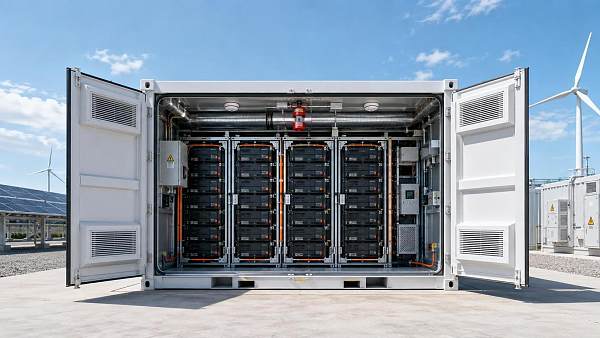
Battery chemistry, duration, and container design affect project performance, but they do not determine whether a centralized or distributed model is appropriate. The first question is where the utility's problem occurs and how often it occurs. A useful planning sequence starts with the electrical constraint before selecting the asset architecture.
A utility also needs to separate power needs from energy needs. A short-duration battery may handle a narrow evening peak or provide fast frequency response, while a multi-hour or longer-duration resource may be required to cover extended renewable shortfalls or outage scenarios. Neither centralized nor distributed storage automatically solves duration risk. A distributed fleet may have substantial aggregate capacity but insufficient stored energy after a long outage. A centralized battery may have adequate duration but be electrically unable to reach the affected load under certain contingency conditions.
Network studies should test the operating cases that caused the problem in the first place: peak demand, minimum demand, high solar export, low renewable output, equipment outages, and severe weather scenarios where relevant. The analysis must include charging behavior. Storage that discharges during a peak but recharges during another constrained period may shift the problem rather than reduce it.
Regulation and ownership can change the preferred model
The same grid condition can lead to different storage decisions in different jurisdictions. A vertically integrated utility may be able to plan, own, and recover the cost of a centralized battery through a regulated investment process. A utility operating in a competitive market may need to procure storage services from independent developers or work within rules that separate transmission, distribution, and generation functions.
Distributed programs introduce additional questions. Can the utility own behind-the-meter assets? Can it compensate customers for dispatch rights? Are third-party aggregators permitted to participate in wholesale or distribution programs? Who bears responsibility for site safety, equipment replacement, insurance, and data handling? The answers affect transaction costs and the certainty of resource availability.
Ownership also shapes public acceptance. Customers may welcome an incentive for a battery that improves backup power and reduces demand charges, but they may resist arrangements that limit their access to stored energy during an outage. Utilities need contracts that state when the battery may be dispatched, how reserve capacity is maintained for the customer, what compensation applies, and how performance is verified. Ambiguous arrangements can weaken participation and make the resource less dependable over time.
For utility-owned distributed systems, scale can create a different operational burden: permitting and installation quality must be consistent across many sites. Fire safety design, emergency response coordination, inverter compliance, battery management systems, and remote software updates all need disciplined governance. A portfolio of smaller assets can reduce the impact of a single equipment failure, but it also expands the number of potential failure points.
A hybrid architecture is often more realistic than a binary choice
Utilities increasingly face overlapping constraints. A region may need bulk storage to absorb midday renewable generation and meet evening capacity needs, while individual feeders also require support because rooftop solar, heat pumps, and EV charging are changing local load profiles. One category of asset cannot efficiently address every layer of the system.
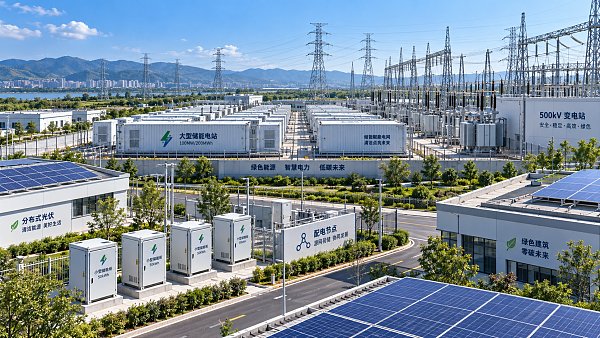
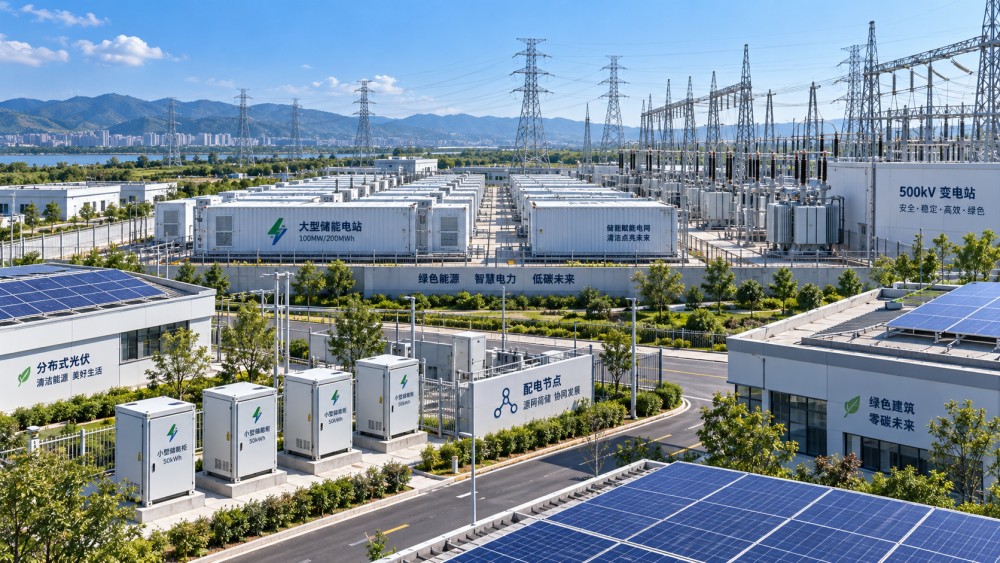
A sensible architecture may place a large battery near a renewable generation zone or transmission bottleneck, then use smaller batteries at selected distribution substations and critical-load sites. The centralized asset supplies broad dispatch capability; distributed assets manage targeted network issues and local resilience. This is not simply diversification. Each layer should have an assigned function, operating boundary, and measurement method.
Coordination becomes essential when both models are used. A distributed battery fleet may be instructed to discharge for a system peak even though its local feeder is experiencing low demand, creating voltage or reverse-flow complications. A centralized battery may be charging at a time when local distributed batteries are also charging under retail price signals. A common operating platform, feeder-level visibility, and clearly prioritized dispatch rules help prevent individual resources from working against one another.
What utilities should test before committing capital
The strongest storage decision is based on avoided alternatives, not on a generic assumption that batteries are flexible. Utilities should compare storage against the specific investment or operating action it could replace, defer, or improve. That may include a new feeder, transformer upgrade, peaking resource, renewable curtailment, demand-response program, or reliability investment.
- Identify the exact nodes, hours, and contingencies that create the need.
- Model charging and discharging under realistic operating constraints, including outages and communications limits.
- Measure locational value separately from system-wide capacity value.
- Define which party controls dispatch and what happens when the resource is unavailable.
- Test whether multiple planned services compete for the same stored energy.
- Include interconnection, protection upgrades, software integration, safety systems, maintenance, and end-of-life obligations in the lifecycle comparison.
Do utility companies prefer centralized or distributed energy storage models? They generally prefer the model with the most defensible grid value at the least system cost and operational risk. Centralized storage is usually easier to control and finance for large-scale needs. Distributed storage can be more precise and more resilient where local conditions drive the problem. The more important decision is to avoid treating installed battery capacity as the measure of success. Storage earns its place in a utility plan when its location, duration, controls, and dispatch rights match the actual constraint on the grid.
Questions about market trends? Contact Market Scope Live for deeper business insights.
We respect your privacy. Your information is strictly confidential.
Related News
 Energy Storage Systems / BESSCroatia’s First Transmission-Connected Standalone Battery Project Enters OperationCroatia’s first transmission-connected standalone battery project is operational. Discover how the 60 MW Šibenik facility could support grid flexibility.MORE+
 Energy Storage Systems / BESSAustralia's NEM Battery Storage Hits Record 20.17 GWh, Up 203% Year on YearAustralia's NEM battery storage reportedly hits 20.17 GWh, up 203% year on year. Explore what the record could mean for grid-scale projects and procurement.MORE+
 Energy Storage Systems / BESSC&I Energy Storage in Germany: What Drives Project ROI?C&I energy storage in Germany: discover what drives project ROI, from peak shaving and solar savings to costs, tariffs and smarter battery sizing.MORE+
 Energy Storage Systems / BESSChoosing Energy Storage Containers: Capacity, Power and Safety CriteriaCompare energy storage containers by usable capacity, power, safety and grid integration. Learn what to ask suppliers before choosing a system.MORE+
 Energy Storage Systems / BESSNeoen, Frontier Energy and Lightyears Secure Funding for Renewable ProjectsNeoen, Frontier Energy and Lightyears secure renewable energy financing. Explore what the funding means for solar, wind and battery storage projects.MORE+
 Energy Storage Systems / BESSChoosing a Battery Energy Storage Container Manufacturer: Key Supplier ChecksChoosing a battery energy storage containers manufacturer? Learn how to assess safety, integration, warranties and total costs before you buy.MORE+
 Energy Storage Systems / BESSCATL Introduces Grid Connection and Financing Commitments in AustraliaCATL introduces energy storage with 25-year grid connection and financing commitments in Australia. Explore what the proposed model means for projects.MORE+
 Energy Storage Systems / BESSPortugal Mandates Grid-Forming Capability for Large Storage and Launches 1 GW TenderPortugal grid-forming rules target large standalone energy storage projects as a 1 GW tender launches. Explore the implications for developers and suppliers.MORE+
 Energy Storage Systems / BESSAdding Battery Storage to Rooftop Solar: When to Use AC vs. DC CouplingExplore rooftop solar storage integration: compare AC vs. DC coupling, inverter compatibility, backup power, and lifecycle costs to choose the right battery setup.MORE+
 Energy Storage Systems / BESSHeron Power and NiSource Announce US Data Center Deals Involving BESSHeron Power and NiSource announce US data center deals involving BESS. Explore how transformer integration and long-term power supply are shaping data center energy plans.MORE+
 Energy Storage Systems / BESSPeak Energy Raises $108 Million as GM Ventures Leads Sodium-Ion Storage RoundPeak Energy raises $108 million in a GM Ventures-led round to scale sodium-ion storage for grids and AI data centers. Explore what buyers should assess before committing.MORE+
 Energy Storage Systems / BESSRondo Energy and Rio Tinto Begin Design of Australia's Largest Thermal Storage ProjectRondo Energy and Rio Tinto begin design of a 30 MW/360 MWh thermal storage project at Yarwun. Explore its potential for industrial decarbonization and future procurement.MORE+
 Energy Storage Systems / BESSCATL Nine-Month Net Profit Rises 31.6% as Energy Storage Emerges as a Growth DriverCATL’s reported nine-month net profit rose 31.6% as energy storage gains momentum. Explore what this shift could mean for battery buyers, overseas orders and procurement planning.MORE+
 Energy Storage Systems / BESSScalable Power Solutions for Commercial Facilities with Uneven Site DemandScalable power solutions for multi-site commercial facilities: optimize uneven demand, resilience, storage, solar, and controls with a repeatable portfolio strategy.MORE+
 Energy Storage Systems / BESSWhen Do Commercial Property Owners Face Peak Demand for On-Site Energy?Commercial property owners peak demand often occurs when HVAC, occupancy, EV charging, and equipment loads coincide. Discover practical strategies to manage costs, capacity, and on-site energy resilience.MORE+
 Energy Storage Systems / BESSWhen Does a Containerized Hybrid Solar-Storage System Make Sense for Remote Sites?containerized hybrid solar storage for remote sites: discover when it cuts diesel costs, improves reliability, and simplifies deployment with smarter sizing and design.MORE+
 Energy Storage Systems / BESSHow to Specify Steel Battery Enclosures for Outdoor BESS Fire and Corrosion RisksSteel battery enclosures: learn how to specify corrosion protection, fire-ready interfaces, drainage, and durable outdoor BESS performance.MORE+
 Energy Storage Systems / BESSBattery Energy Storage Cost: What Drives $/kWh and Project ROI?Battery energy storage cost explained: compare usable $/kWh, system scope, grid connection, warranty, and lifecycle factors to build a stronger storage ROI.MORE+
 Energy Storage Systems / BESSWhat Drives BESS Fire Protection Costs in Utility-Scale Storage Projects?Energy storage fire protection cost drivers explained: compare BESS safety systems, site design, compliance, and integration to budget smarter.MORE+
 Energy Storage Systems / BESSHow to Size Grid-Scale Energy Storage for Peak Shaving and Renewable FirmingGrid scale energy storage sizing guide for peak shaving and renewable firming—learn how to model MW, MWh, dispatch, degradation, and grid limits.MORE+
 Energy Storage Systems / BESSWhat Drives Battery Energy Management System Costs in BESS Projects?Battery energy management systems cost depends on controls, integration, grid compliance, cybersecurity, and lifecycle support. Learn how to evaluate BESS EMS proposals wisely.MORE+
 Energy Storage Systems / BESSHow to Size a Commercial Microgrid Battery System for Peak Shaving and Backup PowerCommercial microgrid battery system sizing guide for peak shaving and backup power—optimize kW, kWh, reserve SOC, controls, and resilience.MORE+
 Energy Storage Systems / BESSHow to Select a Battery Storage EPC Partner for Utility-Scale Projects in EuropeBattery storage EPC Europe: choose the right utility-scale partner with proven grid expertise, safety leadership, supply-chain control, and reliable commissioning.MORE+
 Energy Storage Systems / BESSHow to Evaluate a Stationary Battery Storage Manufacturer for Critical Backup PowerStationary battery storage manufacturer evaluation guide: compare safety, usable capacity, integration, warranties, lifecycle cost, and service support for reliable critical backup power.MORE+
 Energy Storage Systems / BESSDo Utilities Prefer Centralized or Distributed Energy Storage Models?Do utility companies prefer centralized or distributed energy storage models? Explore how grid constraints, costs, resilience, and control shape the best storage strategy.MORE+
 Energy Storage Systems / BESSWhat Fire Safety Requirements Apply to Containerized Battery Storage?What are the fire safety requirements for containerized battery storage systems? Explore codes, detection, suppression, ventilation, shutdown, and site design essentials.MORE+
 Energy Storage Systems / BESSIs EPEM Useful for Benchmarking Energy Storage Project Performance?Is EPEM useful for benchmarking energy storage project performance data? Explore how it helps normalize efficiency, availability, degradation, dispatch, and lifecycle risks.MORE+
 Energy Storage Systems / BESSBehind-the-Meter Energy Systems for Industrial Parks: Sizing Solar, Storage, and LoadsBehind the meter energy systems for industrial parks: learn how to size solar, storage, and loads for lower costs, resilient operations, and scalable growth.MORE+
 Energy Storage Systems / BESSAerosol Fire Protection for Energy Storage: Key Design Factors for BESS SafetyAerosol fire protection for energy storage: explore key BESS design factors for detection, ventilation, thermal runaway risk, and safer system integration.MORE+
 Energy Storage Systems / BESSHow to Size Solar Backup Energy Systems for Critical Commercial LoadsBackup energy systems with solar: learn how to size critical commercial loads, balance battery power and runtime, and build resilient operations.MORE+
 Energy Storage Systems / BESSWhat Criteria Should You Use to Shortlist Battery Storage EPC Contractors?What criteria should be used to shortlist battery storage EPC contractors? Explore essential checks for engineering, safety, grid integration, delivery, and lifecycle value.MORE+
 Energy Storage Systems / BESSCan Battery Storage Be Added to Existing Solar Farms Without Replacing Inverters?Can battery storage be integrated into existing solar farms without replacing inverters? Explore AC-coupled retrofits, grid limits, controls, costs, and value.MORE+
 Energy Storage Systems / BESSAre Containerized Battery Storage Systems Safe for Urban Deployment?Are containerized battery storage systems safe for urban deployment? Explore key safety factors, fire planning, standards, and site design for reliable urban BESS projects.MORE+
 Energy Storage Systems / BESSSodium-Ion vs Lithium-Ion: Which Is Better for Long-Duration Storage?Is sodium-ion battery better than lithium-ion for long duration storage? Explore cost, safety, energy density, warranties, and the best fit for your storage project.MORE+
 Energy Storage Systems / BESSHow to Size Grid-Scale Battery Energy Storage for Peak Shaving and Grid SupportGrid scale battery energy storage sizing made practical: learn how to match MW, MWh, dispatch, degradation, and grid constraints for reliable peak shaving and grid support.MORE+
 Energy Storage Systems / BESSHow to Integrate Solar and Battery Storage for Reliable Commercial Power ProjectsSolar storage project integration for commercial sites: learn to align load analysis, battery sizing, controls, safety, and grid compliance for reliable power.MORE+
 Energy Storage Systems / BESSHow Does Battery Thermal Management Affect Charger Uptime in Hot Climates?How does battery thermal management affect charger uptime in hot climates? Explore cooling strategies that reduce derating, protect assets, and keep EV charging reliable.MORE+
 Energy Storage Systems / BESSAre Sodium-Ion Batteries Ready for Commercial Charging Storage in 2026?Are sodium-ion batteries ready for commercial charging station storage in 2026? Explore costs, safety, footprint trade-offs, and project-fit insights.MORE+
 Energy Storage Systems / BESSHow to Size Energy Storage Containers for Reliable Microgrid PerformanceEnergy storage containers for microgrids: learn how to size capacity, power, backup duration, and reserve margins to improve reliability, cut costs, and support smarter project decisions.MORE+
 Energy Storage Systems / BESSHow to Evaluate a Fast Frequency Response Inverter for Grid-Scale BESS?Fast frequency response inverter evaluation for grid-scale BESS: learn how to assess control speed, thermal stability, grid-code behavior, and procurement-critical performance before you buy.MORE+