Containerized Battery Energy Storage Containers: Key Design Features for Safer Deployment
Containerized Battery Energy Storage Containers: Key Design Features for Safer Deployment
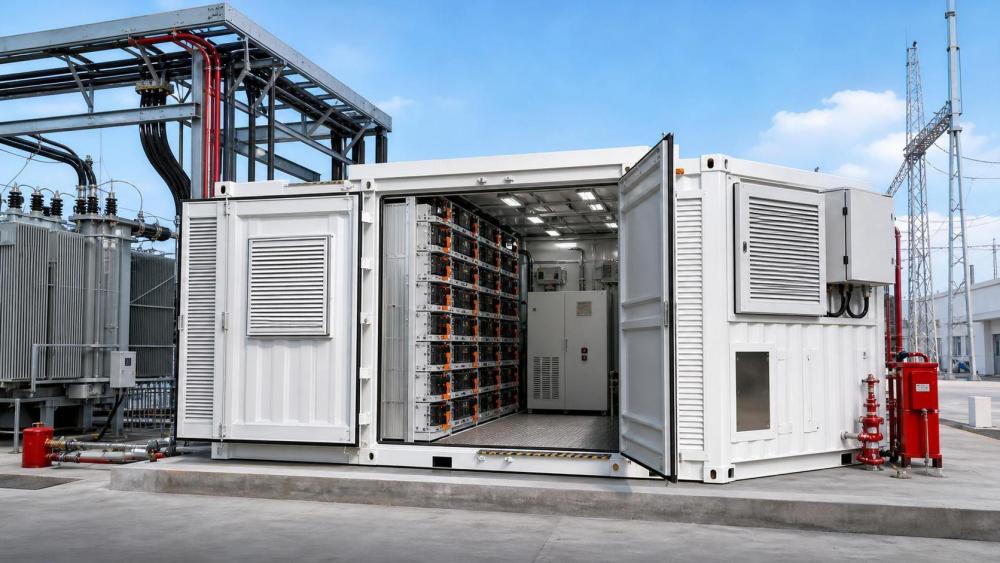
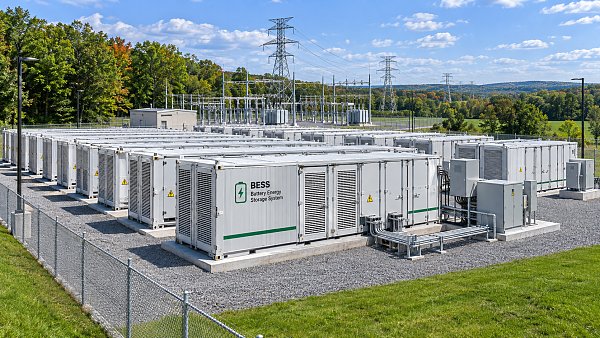
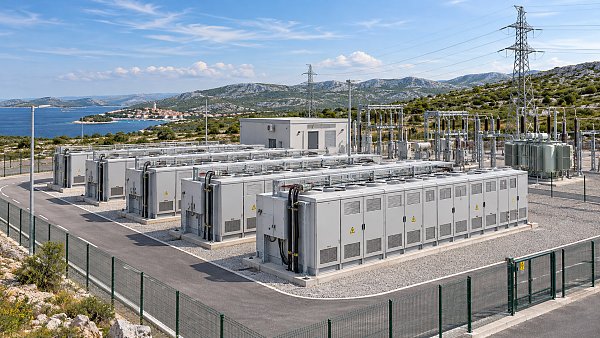
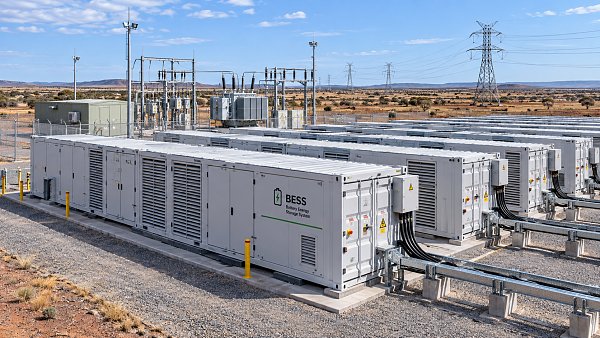
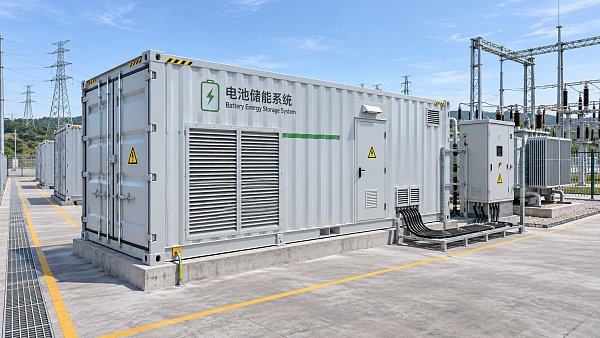
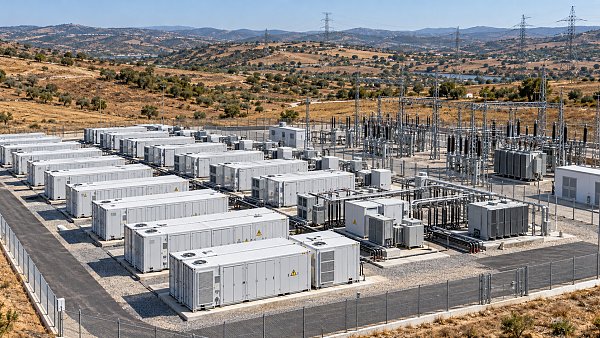
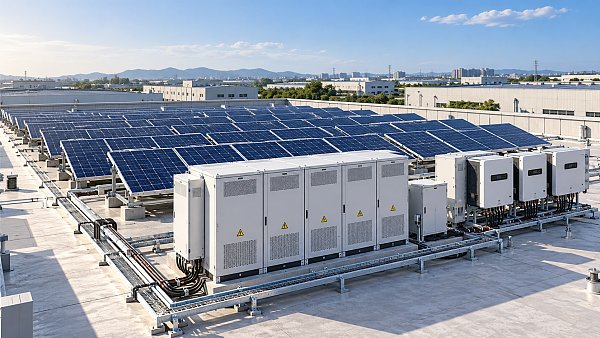
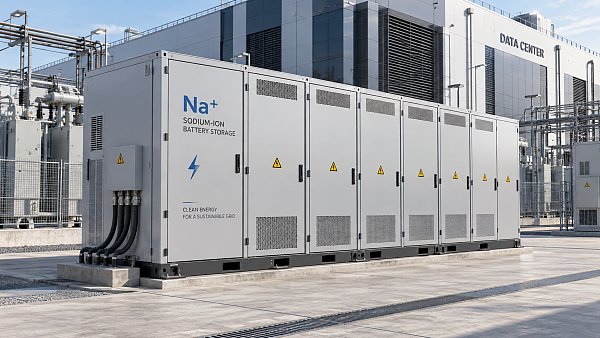
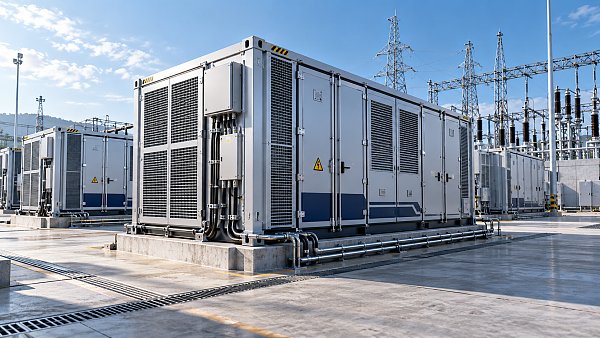
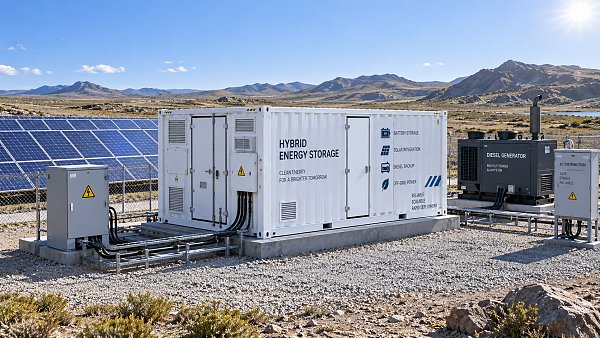
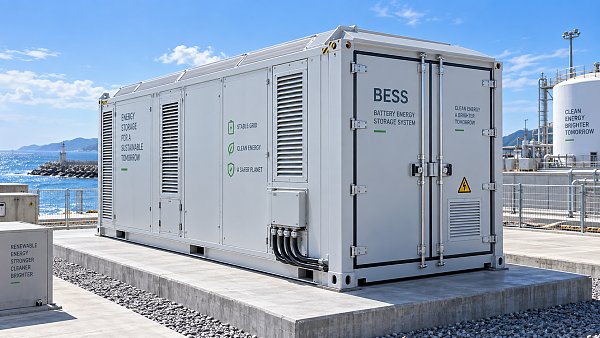
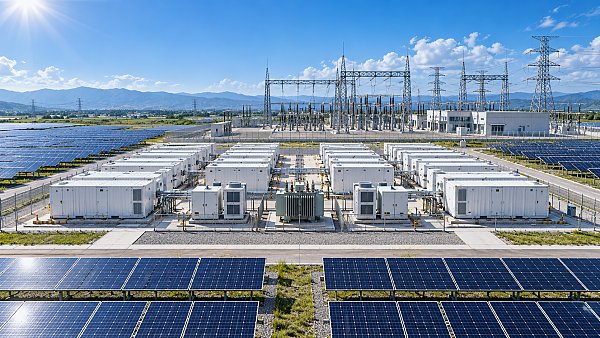
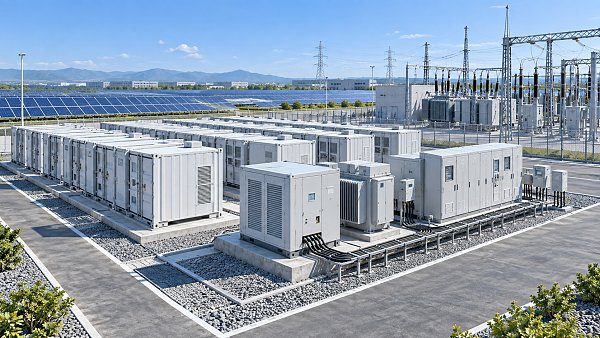
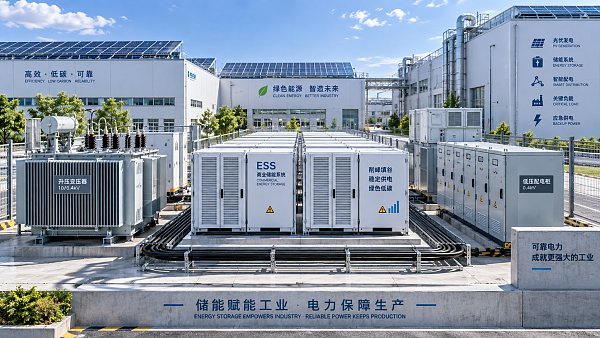
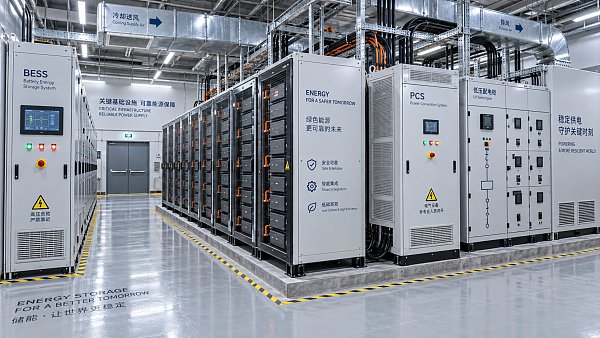
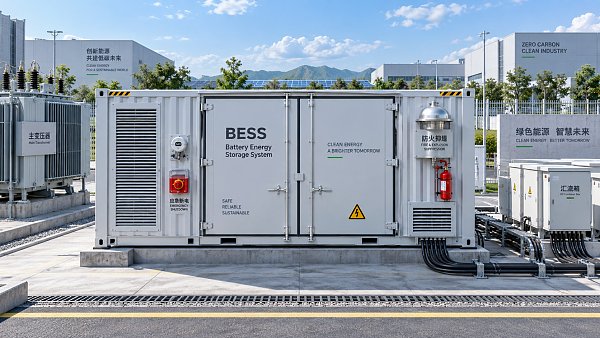
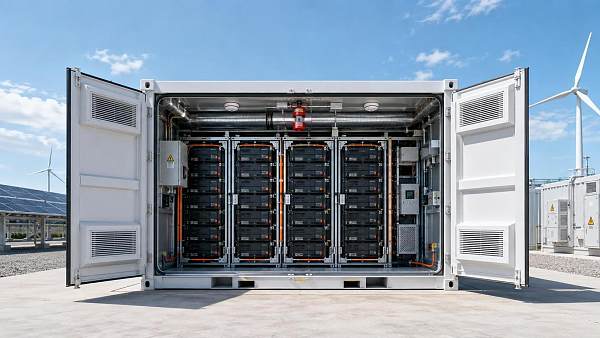
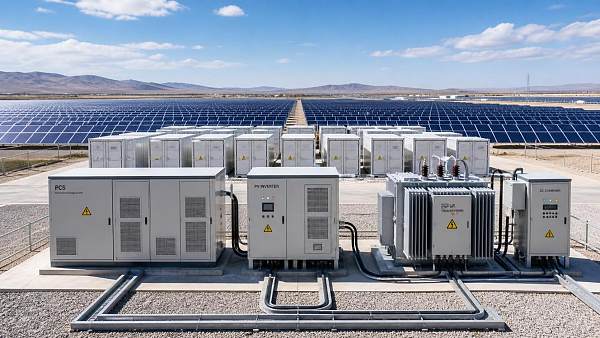
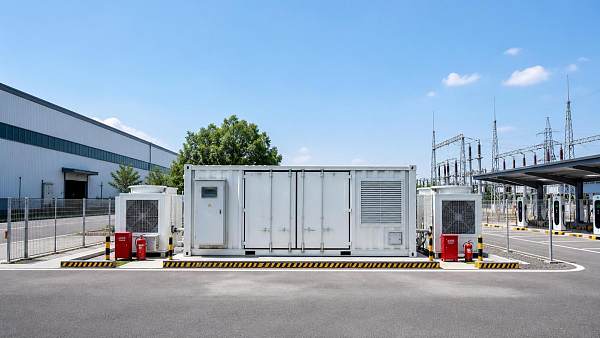
For modern storage projects, containerized battery energy storage containers do far more than hold batteries. They combine electrical, thermal, structural, and digital systems into one deployable unit.
That makes design quality a direct project risk issue. A weak design can slow permitting, complicate installation, increase safety exposure, and raise long-term operating costs.
A strong design, by contrast, supports faster deployment, safer operation, easier maintenance, and more predictable asset performance across the system lifecycle.
In practice, safer deployment depends on how containerized battery energy storage containers manage heat, fire, electrical protection, controls, transport loads, and site conditions together.
The key question is not whether a container looks standardized. It is whether the design is engineered for real project conditions, code requirements, and failure containment.
Why Design Detail Matters in Containerized Battery Energy Storage Containers
Battery storage projects now face tighter safety expectations. Authorities, insurers, utilities, and owners all want clearer evidence that storage containers can operate safely under abnormal conditions.
This is especially true for lithium-ion systems. High energy density improves project economics, but it also raises the importance of thermal runaway prevention and fault isolation.
As a result, containerized battery energy storage containers must be assessed as integrated systems. Cell chemistry, module layout, HVAC, sensors, fire suppression, and software all affect deployment safety.
From a project delivery perspective, detailed design also shapes construction sequencing. Better container design can reduce site rework, improve commissioning quality, and simplify coordination with EPC teams.
1. Thermal Management Is the First Safety Layer
Thermal control is central to safe deployment. Poor temperature management shortens battery life, reduces efficiency, and increases the chance of abnormal cell behavior.
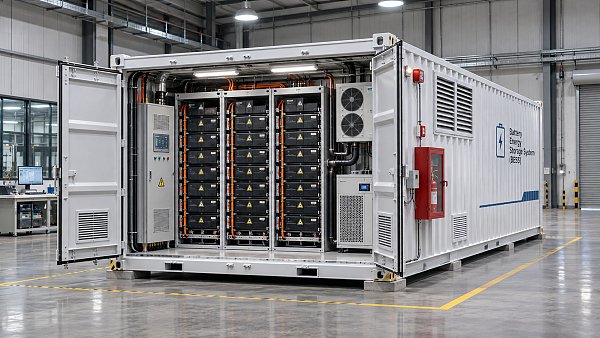
Well-designed containerized battery energy storage containers maintain stable internal temperatures across different operating modes, including charging, discharging, standby, and high ambient weather exposure.
What to review
- Air-cooled or liquid-cooled architecture and its suitability for the project profile
- Temperature uniformity across racks, modules, and high-load zones
- Redundancy in fans, pumps, controls, and power supply
- Performance under hot climates, cold starts, and dusty environments
- Dew point control and condensation prevention inside the enclosure
A useful review point is thermal response speed. If internal heat rises quickly, the cooling system and control logic must react before local hotspots become safety events.
This also affects availability. Stable thermal management helps containerized battery energy storage containers deliver consistent performance without frequent derating during peak demand periods.
2. Fire Detection, Suppression, and Gas Management Must Work Together
Fire safety is often discussed as a single feature. In reality, it is a sequence of functions that must work together under stress.
Effective containerized battery energy storage containers typically combine early detection, battery isolation, ventilation logic, gas handling, suppression strategy, and emergency shutdown coordination.
Core elements to check
- Smoke, heat, and off-gas detection with reliable alarm thresholds
- Automatic isolation of affected battery strings or racks
- Suppression approach aligned with battery chemistry and enclosure design
- Deflagration venting or pressure relief where required
- Emergency access and coordination with site response procedures
The strongest designs aim to detect failure before open flame appears. That early interval can be critical for reducing escalation inside containerized battery energy storage containers.
Standards matter here. Depending on market and project type, teams often review alignment with UL 9540, UL 9540A, NFPA 855, IEC requirements, and local fire authority expectations.
3. Structural Design Affects Transport, Placement, and Long-Term Integrity
A battery container is not just an enclosure. It is a transportable industrial structure exposed to lifting loads, vibration, foundation tolerances, wind, corrosion, and repeated service access.
That means containerized battery energy storage containers need structural design that protects internal equipment during shipping and preserves alignment after installation.
Important structural considerations
- Frame strength for lifting, stacking limits, and transport shock
- Internal rack anchoring and vibration resistance
- Ingress protection against dust, rain, and salt exposure
- Corrosion-resistant coatings for coastal or humid sites
- Door layout, access zones, and maintenance clearance
Projects in remote or harsh climates should pay special attention to enclosure durability. Mechanical weakness often becomes visible only after transport, not during factory inspection.
A durable structure also supports safer maintenance. Technicians need stable access, safe door operation, and enough internal layout discipline to avoid unnecessary exposure during service work.
4. Electrical Protection and Control Architecture Reduce Hidden Risk
Electrical faults do not always look dramatic at first. A grounding issue, insulation breakdown, or control failure can begin as a small anomaly and grow into a major event.
For that reason, containerized battery energy storage containers need layered electrical protection from cell level to container level, with clear fault logic and fast response pathways.
Review these design points
- Battery Management System accuracy and fault isolation capability
- DC protection devices, contactors, fuses, and disconnect logic
- Ground fault detection and insulation monitoring
- Communication reliability between BMS, PCS, EMS, and SCADA
- Cybersecurity controls for remote monitoring and dispatch access
In actual operations, control integration is where many deployment problems appear. Even good hardware underperforms when alarm mapping, shutdown sequences, or communication priorities are unclear.
This is why factory acceptance testing should go beyond basic energization. It should validate fault response, alarm escalation, black-start logic, and coordinated behavior with the power conversion system.
5. Site Integration Determines Whether Safe Design Holds Up in Reality
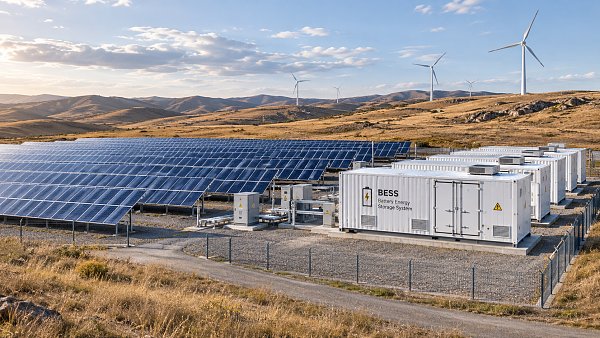
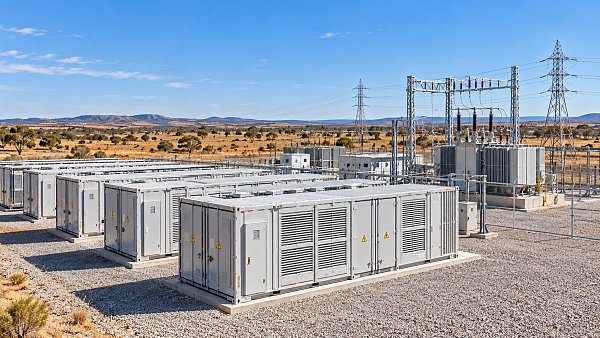
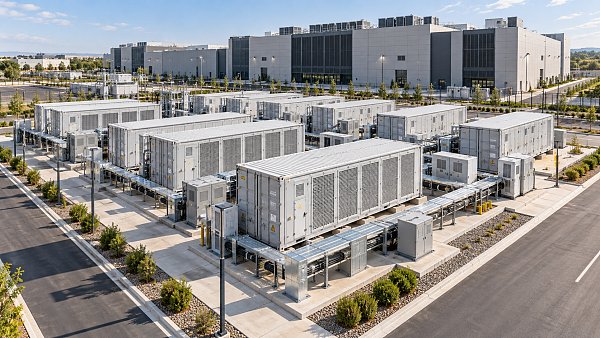
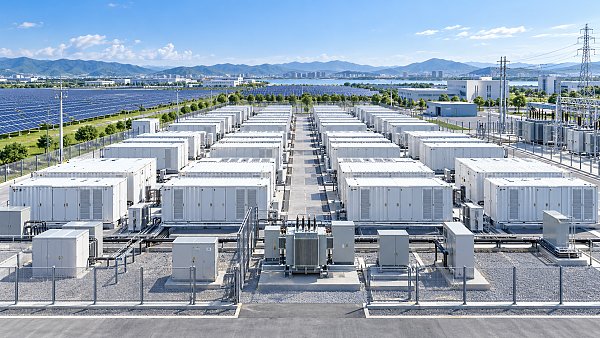
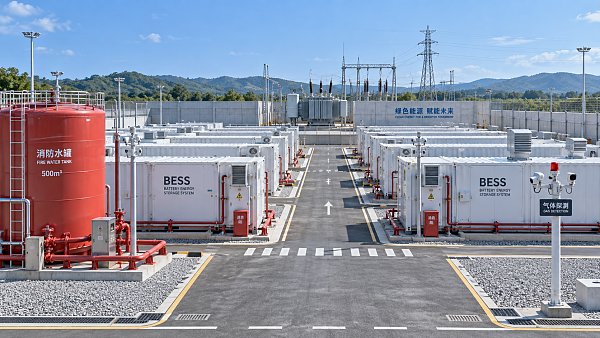
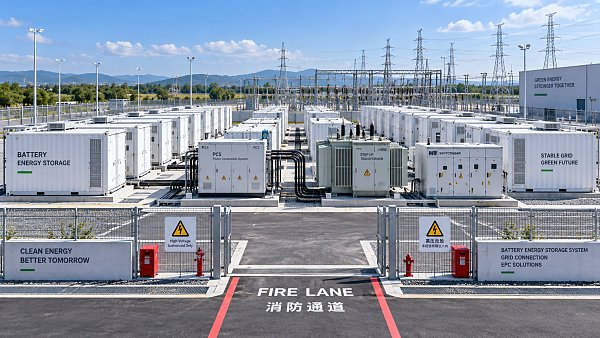
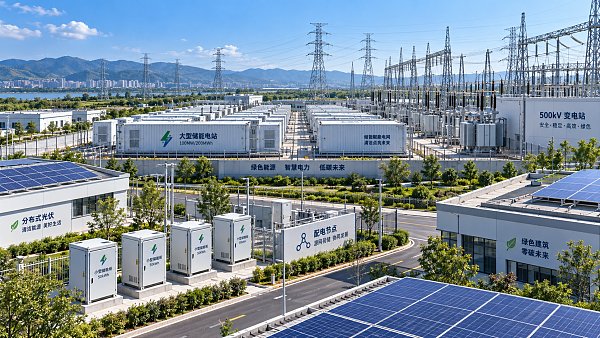
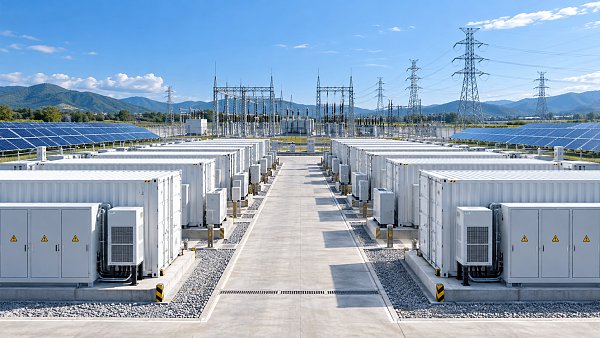
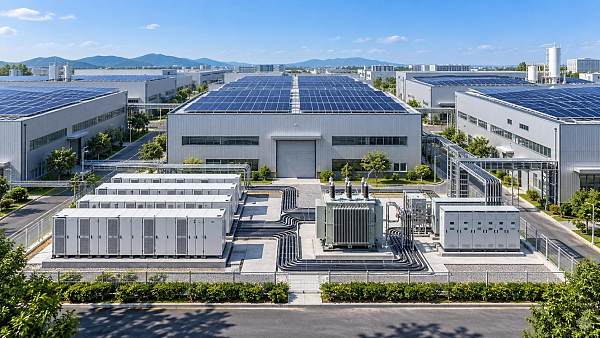
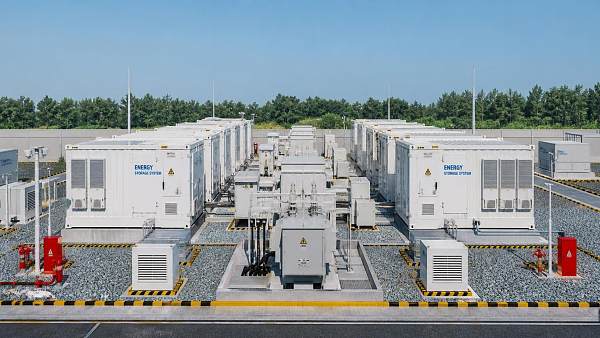
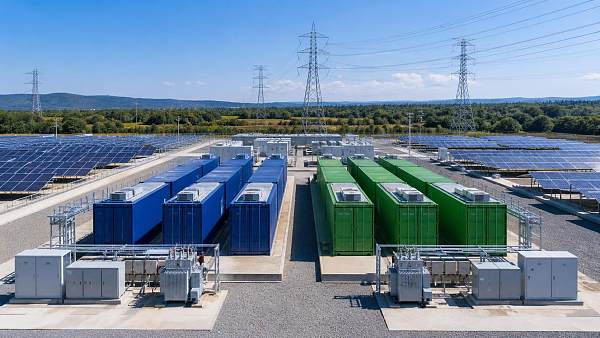
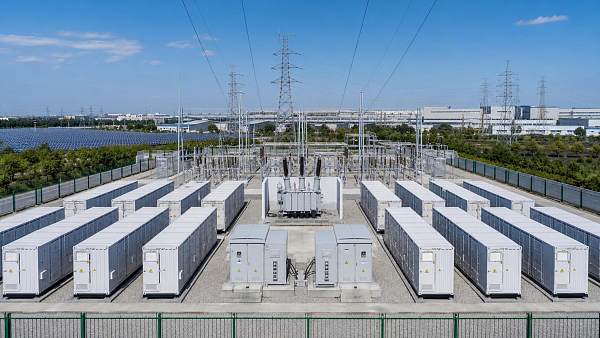
Even well-built containerized battery energy storage containers can perform poorly if site integration is weak. Safe deployment depends on spacing, drainage, access, cable routing, and emergency planning.
A container should never be assessed in isolation. It must be reviewed as part of the whole storage plant and its operating environment.
Site-level checks that matter
- Separation distances between containers and nearby equipment
- Vehicle and firefighter access around the installation
- Flood risk, drainage paths, and base elevation
- Ambient temperature profile and ventilation constraints
- Clear interfaces with transformers, PCS skids, and control rooms
This is where project teams often save time or lose it. Early coordination between civil, electrical, fire, and controls disciplines usually reduces change orders later.
From recent market practice, more owners also want clear emergency operating procedures tied directly to container alarms, shutdown states, and local authority response plans.
A Practical Evaluation Framework for Procurement and Risk Review
When comparing suppliers, it helps to move beyond headline capacity and price. Safer deployment comes from design evidence, not marketing claims.
This framework helps teams compare containerized battery energy storage containers on real deployment readiness. It also improves internal alignment between engineering, procurement, and project execution teams.
What Safer Deployment Looks Like
Safer deployment is not one feature or one certificate. It is the result of disciplined design choices that hold together from factory build to field operation.
The most reliable containerized battery energy storage containers show strength in five areas: thermal stability, fire risk management, structural resilience, electrical protection, and site integration discipline.
For teams reviewing battery storage projects, the practical move is clear. Ask for test evidence, interface detail, abnormal scenario logic, and operating limits before final selection.
That level of review usually leads to better procurement decisions, smoother commissioning, and lower long-term safety risk across the full lifecycle of containerized battery energy storage containers.
Questions about market trends? Contact Market Scope Live for deeper business insights.
We respect your privacy. Your information is strictly confidential.
Related News
 Energy Storage Systems / BESSNYSERDA Opens Second 2026 Bulk Storage Solicitation Targeting 1 GWNYSERDA’s second 2026 bulk energy storage solicitation targets 1 GW. Explore the opportunity for developers, investors and New York’s grid.MORE+
 Energy Storage Systems / BESSCroatia’s First Transmission-Connected Standalone Battery Project Enters OperationCroatia’s first transmission-connected standalone battery project is operational. Discover how the 60 MW Šibenik facility could support grid flexibility.MORE+
 Energy Storage Systems / BESSAustralia's NEM Battery Storage Hits Record 20.17 GWh, Up 203% Year on YearAustralia's NEM battery storage reportedly hits 20.17 GWh, up 203% year on year. Explore what the record could mean for grid-scale projects and procurement.MORE+
 Energy Storage Systems / BESSC&I Energy Storage in Germany: What Drives Project ROI?C&I energy storage in Germany: discover what drives project ROI, from peak shaving and solar savings to costs, tariffs and smarter battery sizing.MORE+
 Energy Storage Systems / BESSChoosing Energy Storage Containers: Capacity, Power and Safety CriteriaCompare energy storage containers by usable capacity, power, safety and grid integration. Learn what to ask suppliers before choosing a system.MORE+
 Energy Storage Systems / BESSNeoen, Frontier Energy and Lightyears Secure Funding for Renewable ProjectsNeoen, Frontier Energy and Lightyears secure renewable energy financing. Explore what the funding means for solar, wind and battery storage projects.MORE+
 Energy Storage Systems / BESSChoosing a Battery Energy Storage Container Manufacturer: Key Supplier ChecksChoosing a battery energy storage containers manufacturer? Learn how to assess safety, integration, warranties and total costs before you buy.MORE+
 Energy Storage Systems / BESSCATL Introduces Grid Connection and Financing Commitments in AustraliaCATL introduces energy storage with 25-year grid connection and financing commitments in Australia. Explore what the proposed model means for projects.MORE+
 Energy Storage Systems / BESSPortugal Mandates Grid-Forming Capability for Large Storage and Launches 1 GW TenderPortugal grid-forming rules target large standalone energy storage projects as a 1 GW tender launches. Explore the implications for developers and suppliers.MORE+
 Energy Storage Systems / BESSAdding Battery Storage to Rooftop Solar: When to Use AC vs. DC CouplingExplore rooftop solar storage integration: compare AC vs. DC coupling, inverter compatibility, backup power, and lifecycle costs to choose the right battery setup.MORE+
 Energy Storage Systems / BESSHeron Power and NiSource Announce US Data Center Deals Involving BESSHeron Power and NiSource announce US data center deals involving BESS. Explore how transformer integration and long-term power supply are shaping data center energy plans.MORE+
 Energy Storage Systems / BESSPeak Energy Raises $108 Million as GM Ventures Leads Sodium-Ion Storage RoundPeak Energy raises $108 million in a GM Ventures-led round to scale sodium-ion storage for grids and AI data centers. Explore what buyers should assess before committing.MORE+
 Energy Storage Systems / BESSRondo Energy and Rio Tinto Begin Design of Australia's Largest Thermal Storage ProjectRondo Energy and Rio Tinto begin design of a 30 MW/360 MWh thermal storage project at Yarwun. Explore its potential for industrial decarbonization and future procurement.MORE+
 Energy Storage Systems / BESSCATL Nine-Month Net Profit Rises 31.6% as Energy Storage Emerges as a Growth DriverCATL’s reported nine-month net profit rose 31.6% as energy storage gains momentum. Explore what this shift could mean for battery buyers, overseas orders and procurement planning.MORE+
 Energy Storage Systems / BESSScalable Power Solutions for Commercial Facilities with Uneven Site DemandScalable power solutions for multi-site commercial facilities: optimize uneven demand, resilience, storage, solar, and controls with a repeatable portfolio strategy.MORE+
 Energy Storage Systems / BESSWhen Do Commercial Property Owners Face Peak Demand for On-Site Energy?Commercial property owners peak demand often occurs when HVAC, occupancy, EV charging, and equipment loads coincide. Discover practical strategies to manage costs, capacity, and on-site energy resilience.MORE+
 Energy Storage Systems / BESSWhen Does a Containerized Hybrid Solar-Storage System Make Sense for Remote Sites?containerized hybrid solar storage for remote sites: discover when it cuts diesel costs, improves reliability, and simplifies deployment with smarter sizing and design.MORE+
 Energy Storage Systems / BESSHow to Specify Steel Battery Enclosures for Outdoor BESS Fire and Corrosion RisksSteel battery enclosures: learn how to specify corrosion protection, fire-ready interfaces, drainage, and durable outdoor BESS performance.MORE+
 Energy Storage Systems / BESSBattery Energy Storage Cost: What Drives $/kWh and Project ROI?Battery energy storage cost explained: compare usable $/kWh, system scope, grid connection, warranty, and lifecycle factors to build a stronger storage ROI.MORE+
 Energy Storage Systems / BESSWhat Drives BESS Fire Protection Costs in Utility-Scale Storage Projects?Energy storage fire protection cost drivers explained: compare BESS safety systems, site design, compliance, and integration to budget smarter.MORE+
 Energy Storage Systems / BESSHow to Size Grid-Scale Energy Storage for Peak Shaving and Renewable FirmingGrid scale energy storage sizing guide for peak shaving and renewable firming—learn how to model MW, MWh, dispatch, degradation, and grid limits.MORE+
 Energy Storage Systems / BESSWhat Drives Battery Energy Management System Costs in BESS Projects?Battery energy management systems cost depends on controls, integration, grid compliance, cybersecurity, and lifecycle support. Learn how to evaluate BESS EMS proposals wisely.MORE+
 Energy Storage Systems / BESSHow to Size a Commercial Microgrid Battery System for Peak Shaving and Backup PowerCommercial microgrid battery system sizing guide for peak shaving and backup power—optimize kW, kWh, reserve SOC, controls, and resilience.MORE+
 Energy Storage Systems / BESSHow to Select a Battery Storage EPC Partner for Utility-Scale Projects in EuropeBattery storage EPC Europe: choose the right utility-scale partner with proven grid expertise, safety leadership, supply-chain control, and reliable commissioning.MORE+
 Energy Storage Systems / BESSHow to Evaluate a Stationary Battery Storage Manufacturer for Critical Backup PowerStationary battery storage manufacturer evaluation guide: compare safety, usable capacity, integration, warranties, lifecycle cost, and service support for reliable critical backup power.MORE+
 Energy Storage Systems / BESSDo Utilities Prefer Centralized or Distributed Energy Storage Models?Do utility companies prefer centralized or distributed energy storage models? Explore how grid constraints, costs, resilience, and control shape the best storage strategy.MORE+
 Energy Storage Systems / BESSWhat Fire Safety Requirements Apply to Containerized Battery Storage?What are the fire safety requirements for containerized battery storage systems? Explore codes, detection, suppression, ventilation, shutdown, and site design essentials.MORE+
 Energy Storage Systems / BESSIs EPEM Useful for Benchmarking Energy Storage Project Performance?Is EPEM useful for benchmarking energy storage project performance data? Explore how it helps normalize efficiency, availability, degradation, dispatch, and lifecycle risks.MORE+
 Energy Storage Systems / BESSBehind-the-Meter Energy Systems for Industrial Parks: Sizing Solar, Storage, and LoadsBehind the meter energy systems for industrial parks: learn how to size solar, storage, and loads for lower costs, resilient operations, and scalable growth.MORE+
 Energy Storage Systems / BESSAerosol Fire Protection for Energy Storage: Key Design Factors for BESS SafetyAerosol fire protection for energy storage: explore key BESS design factors for detection, ventilation, thermal runaway risk, and safer system integration.MORE+
 Energy Storage Systems / BESSHow to Size Solar Backup Energy Systems for Critical Commercial LoadsBackup energy systems with solar: learn how to size critical commercial loads, balance battery power and runtime, and build resilient operations.MORE+
 Energy Storage Systems / BESSWhat Criteria Should You Use to Shortlist Battery Storage EPC Contractors?What criteria should be used to shortlist battery storage EPC contractors? Explore essential checks for engineering, safety, grid integration, delivery, and lifecycle value.MORE+
 Energy Storage Systems / BESSCan Battery Storage Be Added to Existing Solar Farms Without Replacing Inverters?Can battery storage be integrated into existing solar farms without replacing inverters? Explore AC-coupled retrofits, grid limits, controls, costs, and value.MORE+
 Energy Storage Systems / BESSAre Containerized Battery Storage Systems Safe for Urban Deployment?Are containerized battery storage systems safe for urban deployment? Explore key safety factors, fire planning, standards, and site design for reliable urban BESS projects.MORE+
 Energy Storage Systems / BESSSodium-Ion vs Lithium-Ion: Which Is Better for Long-Duration Storage?Is sodium-ion battery better than lithium-ion for long duration storage? Explore cost, safety, energy density, warranties, and the best fit for your storage project.MORE+
 Energy Storage Systems / BESSHow to Size Grid-Scale Battery Energy Storage for Peak Shaving and Grid SupportGrid scale battery energy storage sizing made practical: learn how to match MW, MWh, dispatch, degradation, and grid constraints for reliable peak shaving and grid support.MORE+
 Energy Storage Systems / BESSHow to Integrate Solar and Battery Storage for Reliable Commercial Power ProjectsSolar storage project integration for commercial sites: learn to align load analysis, battery sizing, controls, safety, and grid compliance for reliable power.MORE+
 Energy Storage Systems / BESSHow Does Battery Thermal Management Affect Charger Uptime in Hot Climates?How does battery thermal management affect charger uptime in hot climates? Explore cooling strategies that reduce derating, protect assets, and keep EV charging reliable.MORE+
 Energy Storage Systems / BESSAre Sodium-Ion Batteries Ready for Commercial Charging Storage in 2026?Are sodium-ion batteries ready for commercial charging station storage in 2026? Explore costs, safety, footprint trade-offs, and project-fit insights.MORE+
 Energy Storage Systems / BESSHow to Size Energy Storage Containers for Reliable Microgrid PerformanceEnergy storage containers for microgrids: learn how to size capacity, power, backup duration, and reserve margins to improve reliability, cut costs, and support smarter project decisions.MORE+