Campus Microgrid Design Guide: How to Size Solar, Storage, and Backup Power
Campus Microgrid Design Guide: How to Size Solar, Storage, and Backup Power
This campus microgrid design guide helps project teams build a practical path from energy data to system sizing.
The goal is not to chase the biggest solar array or battery.
It is to match energy assets with campus operations, resilience targets, and long-term expansion plans.
In real projects, sizing errors usually come from weak load assumptions, not equipment limitations.
That is why a good campus microgrid design guide starts with demand, risk, and control strategy.
Start with the campus load profile
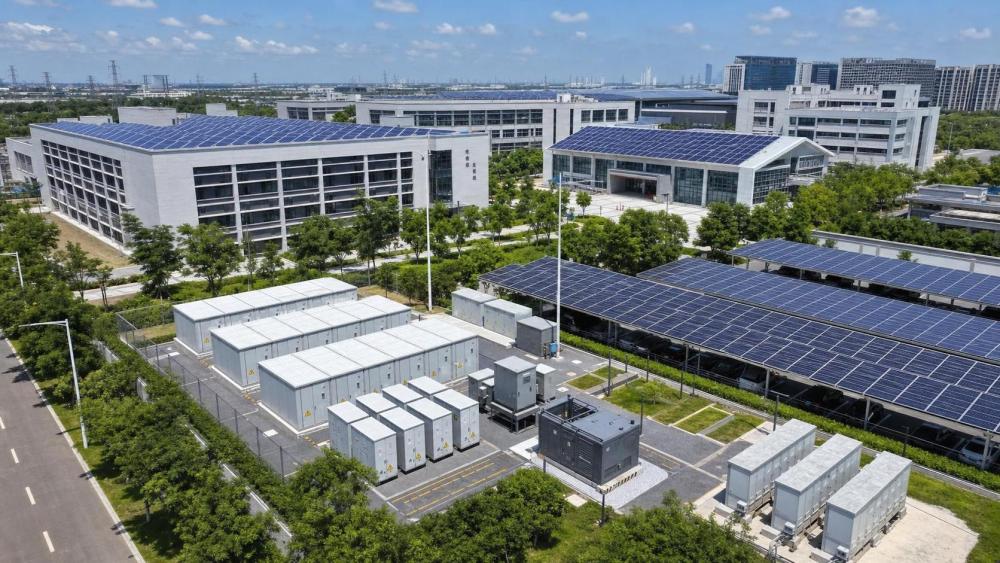
Every campus microgrid design guide should begin with a clear load map.
That means hourly demand, seasonal variation, critical circuits, and future electrification plans.
A campus often combines classrooms, labs, offices, housing, dining, sports facilities, and data rooms.
These buildings do not behave the same way.
Some loads are predictable and flexible.
Others are sensitive to outages, voltage disturbance, or transfer delays.
Useful design inputs usually include interval meter data for at least twelve months.
Fifteen-minute data is often enough for planning.
One-minute data becomes more valuable when fast peaks or sensitive equipment are involved.
It also helps to separate loads into three groups:
- Life safety and mission-critical loads
- Operationally important but deferrable loads
- Nonessential loads that can be curtailed during islanded operation
This step shapes the entire campus microgrid design guide because it defines how much power must always be available.
It also prevents overspending on backup capacity for loads that do not need it.
Define the operating objective before sizing equipment
A campus microgrid design guide becomes much more accurate when the operating objective is explicit.
Different projects optimize for different outcomes.
Some campuses want outage resilience.
Others focus on reducing utility demand charges, integrating solar, or supporting decarbonization targets.
In practice, most projects need a mix of four goals:
- Maintain critical operations during grid outages
- Lower annual electricity costs
- Reduce carbon intensity and diesel runtime
- Keep room for EV charging and future building growth
This matters because each goal changes the sizing logic.
A resilience-first design may favor longer storage duration and larger generator support.
A savings-first design may favor solar production aligned with daytime loads and tariff periods.
Without this decision, even a detailed campus microgrid design guide can drift into oversized or conflicting assets.
How to size solar for a campus microgrid
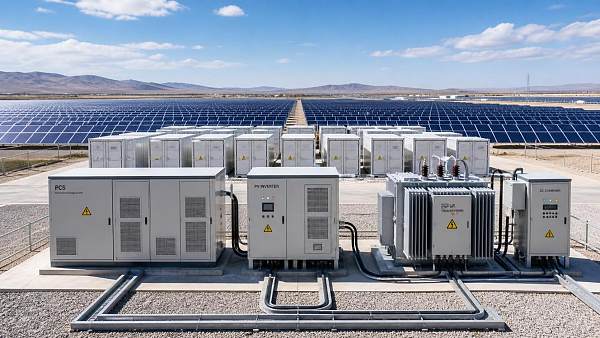
Solar sizing should reflect usable space, daytime demand, interconnection limits, and export policy.
A common mistake is sizing PV only from annual consumption.
That can create excess midday generation with limited operational value.
A stronger approach is to compare expected hourly PV output with the campus daytime base load.
In this campus microgrid design guide, solar should first serve on-site demand.
That usually gives better value than designing around uncertain export revenue.
Key solar sizing questions include:
- What is the average daytime minimum load?
- How much roof, carport, or ground area is available?
- Are there feeder, transformer, or inverter export constraints?
- Will future cooling loads or EV charging lift midday demand?
For many campuses, the first PV phase is sized to cover a meaningful share of daytime consumption.
That can reduce both energy purchases and battery cycling stress.
From a planning angle, this campus microgrid design guide also recommends reserving electrical and physical space for later PV expansion.
How to size battery storage without guessing
Battery storage should be sized by power and energy, not by headline capacity alone.
Power answers how much load the battery can support at once.
Energy answers how long it can support that load.
This is one of the most important sections in any campus microgrid design guide.
If the battery is meant to shave peaks, a short duration system may work well.
If it is meant to carry critical loads during outages, duration becomes central.
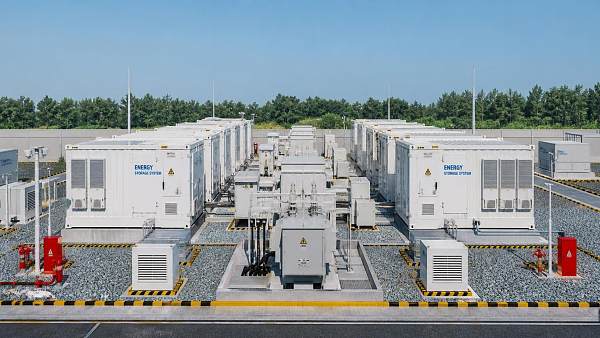
In practical campus projects, storage often serves several roles at once:
- Bridge the gap before generators start or stabilize
- Absorb midday solar surplus
- Reduce peak imports and demand charges
- Support voltage and frequency during islanded operation
A realistic sizing study should model outage scenarios, tariff windows, weather variation, and battery degradation.
It should also include reserve margins.
Usable battery energy is lower than nameplate capacity because of operating limits and lifecycle protection.
A campus microgrid design guide should therefore specify both nominal and usable storage values in the design basis.
Right-size backup power for resilience, not habit
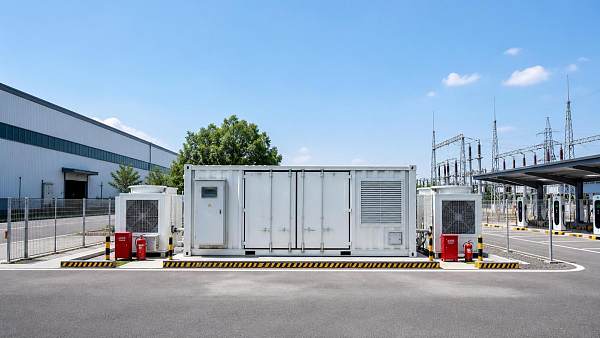
Backup generation still matters in many campus microgrid projects.
The question is how much, how often, and under what control logic.
A traditional design might size generators for the full campus peak.
That approach is expensive and often unnecessary.
A better campus microgrid design guide looks at critical load coverage, startup sequencing, and battery support.
This often allows smaller generators with better fuel efficiency and lower maintenance burden.
When sizing backup power, review these factors:
- Maximum critical load during outage conditions
- Motor starting requirements and inrush current
- Battery ride-through capability
- Fuel storage duration and site logistics
- Local emissions rules and testing requirements
This also supports better decarbonization planning.
Solar and storage can reduce generator runtime, while generators protect the campus during long outages or low solar periods.
That balance is at the core of a useful campus microgrid design guide.
Do not ignore controls, protection, and grid interaction
A campus microgrid design guide is not only about megawatts and megawatt-hours.
It also depends on how the system switches, protects, and dispatches power.
Poor control integration can weaken a well-sized asset portfolio.
The microgrid controller should manage grid-connected mode, islanded mode, black start logic, and load prioritization.
Protection studies are equally important.
Distributed energy changes fault current behavior, breaker coordination, and relay settings.
Grid interconnection requirements may also limit export, ramp rate, or operating modes.
For that reason, the design basis should include a simple decision table like this:
Plan for growth, procurement, and lifecycle risk
The best campus microgrid design guide treats the system as a long-term infrastructure asset.
Campus energy demand rarely stays fixed.
New buildings, electrified heating, cooling upgrades, and EV charging can shift both peak and energy profiles.
That is why phased deployment usually makes sense.
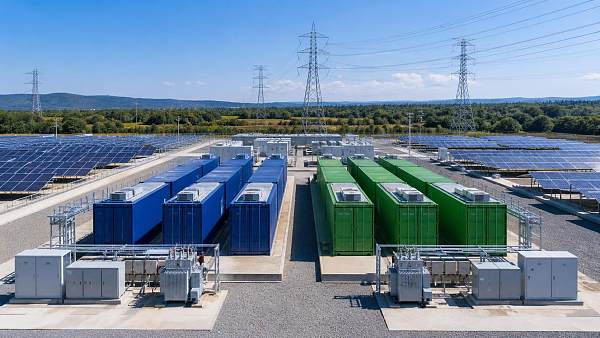
For example, a first phase may install core controls, initial PV, and enough storage for peak management.
A second phase can expand storage or add carport solar when demand grows.
Procurement strategy should also match technical intent.
Performance guarantees, battery degradation terms, spare parts planning, software support, and cybersecurity responsibilities should be defined early.
In actual delivery, these items often affect project value more than small differences in equipment price.
A reliable campus microgrid design guide therefore connects engineering assumptions with contracts, operations, and lifecycle cost control.
A practical campus microgrid design guide for the next step
A workable campus microgrid design guide starts with load truth, not equipment catalogs.
Then it aligns solar, storage, and backup power with clear operating priorities.
When these steps are done well, the campus gains more than resilience.
It gains tariff control, better asset utilization, and a stronger platform for future electrification.
In practical terms, the next move is straightforward.
Collect interval load data, define critical load tiers, test outage scenarios, and model phased capacity options.
That process turns a broad campus microgrid design guide into a project-ready energy strategy.
For campuses facing rising demand, grid uncertainty, and decarbonization pressure, that clarity is now a design requirement.
Questions about market trends? Contact Market Scope Live for deeper business insights.
We respect your privacy. Your information is strictly confidential.
Related News
 Energy Storage Systems / BESSNYSERDA Opens Second 2026 Bulk Storage Solicitation Targeting 1 GWNYSERDA’s second 2026 bulk energy storage solicitation targets 1 GW. Explore the opportunity for developers, investors and New York’s grid.MORE+
 Energy Storage Systems / BESSCroatia’s First Transmission-Connected Standalone Battery Project Enters OperationCroatia’s first transmission-connected standalone battery project is operational. Discover how the 60 MW Šibenik facility could support grid flexibility.MORE+
 Energy Storage Systems / BESSAustralia's NEM Battery Storage Hits Record 20.17 GWh, Up 203% Year on YearAustralia's NEM battery storage reportedly hits 20.17 GWh, up 203% year on year. Explore what the record could mean for grid-scale projects and procurement.MORE+
 Energy Storage Systems / BESSC&I Energy Storage in Germany: What Drives Project ROI?C&I energy storage in Germany: discover what drives project ROI, from peak shaving and solar savings to costs, tariffs and smarter battery sizing.MORE+
 Energy Storage Systems / BESSChoosing Energy Storage Containers: Capacity, Power and Safety CriteriaCompare energy storage containers by usable capacity, power, safety and grid integration. Learn what to ask suppliers before choosing a system.MORE+
 Energy Storage Systems / BESSNeoen, Frontier Energy and Lightyears Secure Funding for Renewable ProjectsNeoen, Frontier Energy and Lightyears secure renewable energy financing. Explore what the funding means for solar, wind and battery storage projects.MORE+
 Energy Storage Systems / BESSChoosing a Battery Energy Storage Container Manufacturer: Key Supplier ChecksChoosing a battery energy storage containers manufacturer? Learn how to assess safety, integration, warranties and total costs before you buy.MORE+
 Energy Storage Systems / BESSCATL Introduces Grid Connection and Financing Commitments in AustraliaCATL introduces energy storage with 25-year grid connection and financing commitments in Australia. Explore what the proposed model means for projects.MORE+
 Energy Storage Systems / BESSPortugal Mandates Grid-Forming Capability for Large Storage and Launches 1 GW TenderPortugal grid-forming rules target large standalone energy storage projects as a 1 GW tender launches. Explore the implications for developers and suppliers.MORE+
 Energy Storage Systems / BESSAdding Battery Storage to Rooftop Solar: When to Use AC vs. DC CouplingExplore rooftop solar storage integration: compare AC vs. DC coupling, inverter compatibility, backup power, and lifecycle costs to choose the right battery setup.MORE+
 Energy Storage Systems / BESSHeron Power and NiSource Announce US Data Center Deals Involving BESSHeron Power and NiSource announce US data center deals involving BESS. Explore how transformer integration and long-term power supply are shaping data center energy plans.MORE+
 Energy Storage Systems / BESSPeak Energy Raises $108 Million as GM Ventures Leads Sodium-Ion Storage RoundPeak Energy raises $108 million in a GM Ventures-led round to scale sodium-ion storage for grids and AI data centers. Explore what buyers should assess before committing.MORE+
 Energy Storage Systems / BESSRondo Energy and Rio Tinto Begin Design of Australia's Largest Thermal Storage ProjectRondo Energy and Rio Tinto begin design of a 30 MW/360 MWh thermal storage project at Yarwun. Explore its potential for industrial decarbonization and future procurement.MORE+
 Energy Storage Systems / BESSCATL Nine-Month Net Profit Rises 31.6% as Energy Storage Emerges as a Growth DriverCATL’s reported nine-month net profit rose 31.6% as energy storage gains momentum. Explore what this shift could mean for battery buyers, overseas orders and procurement planning.MORE+
 Energy Storage Systems / BESSScalable Power Solutions for Commercial Facilities with Uneven Site DemandScalable power solutions for multi-site commercial facilities: optimize uneven demand, resilience, storage, solar, and controls with a repeatable portfolio strategy.MORE+
 Energy Storage Systems / BESSWhen Do Commercial Property Owners Face Peak Demand for On-Site Energy?Commercial property owners peak demand often occurs when HVAC, occupancy, EV charging, and equipment loads coincide. Discover practical strategies to manage costs, capacity, and on-site energy resilience.MORE+
 Energy Storage Systems / BESSWhen Does a Containerized Hybrid Solar-Storage System Make Sense for Remote Sites?containerized hybrid solar storage for remote sites: discover when it cuts diesel costs, improves reliability, and simplifies deployment with smarter sizing and design.MORE+
 Energy Storage Systems / BESSHow to Specify Steel Battery Enclosures for Outdoor BESS Fire and Corrosion RisksSteel battery enclosures: learn how to specify corrosion protection, fire-ready interfaces, drainage, and durable outdoor BESS performance.MORE+
 Energy Storage Systems / BESSBattery Energy Storage Cost: What Drives $/kWh and Project ROI?Battery energy storage cost explained: compare usable $/kWh, system scope, grid connection, warranty, and lifecycle factors to build a stronger storage ROI.MORE+
 Energy Storage Systems / BESSWhat Drives BESS Fire Protection Costs in Utility-Scale Storage Projects?Energy storage fire protection cost drivers explained: compare BESS safety systems, site design, compliance, and integration to budget smarter.MORE+
 Energy Storage Systems / BESSHow to Size Grid-Scale Energy Storage for Peak Shaving and Renewable FirmingGrid scale energy storage sizing guide for peak shaving and renewable firming—learn how to model MW, MWh, dispatch, degradation, and grid limits.MORE+
 Energy Storage Systems / BESSWhat Drives Battery Energy Management System Costs in BESS Projects?Battery energy management systems cost depends on controls, integration, grid compliance, cybersecurity, and lifecycle support. Learn how to evaluate BESS EMS proposals wisely.MORE+
 Energy Storage Systems / BESSHow to Size a Commercial Microgrid Battery System for Peak Shaving and Backup PowerCommercial microgrid battery system sizing guide for peak shaving and backup power—optimize kW, kWh, reserve SOC, controls, and resilience.MORE+
 Energy Storage Systems / BESSHow to Select a Battery Storage EPC Partner for Utility-Scale Projects in EuropeBattery storage EPC Europe: choose the right utility-scale partner with proven grid expertise, safety leadership, supply-chain control, and reliable commissioning.MORE+
 Energy Storage Systems / BESSHow to Evaluate a Stationary Battery Storage Manufacturer for Critical Backup PowerStationary battery storage manufacturer evaluation guide: compare safety, usable capacity, integration, warranties, lifecycle cost, and service support for reliable critical backup power.MORE+
 Energy Storage Systems / BESSDo Utilities Prefer Centralized or Distributed Energy Storage Models?Do utility companies prefer centralized or distributed energy storage models? Explore how grid constraints, costs, resilience, and control shape the best storage strategy.MORE+
 Energy Storage Systems / BESSWhat Fire Safety Requirements Apply to Containerized Battery Storage?What are the fire safety requirements for containerized battery storage systems? Explore codes, detection, suppression, ventilation, shutdown, and site design essentials.MORE+
 Energy Storage Systems / BESSIs EPEM Useful for Benchmarking Energy Storage Project Performance?Is EPEM useful for benchmarking energy storage project performance data? Explore how it helps normalize efficiency, availability, degradation, dispatch, and lifecycle risks.MORE+
 Energy Storage Systems / BESSBehind-the-Meter Energy Systems for Industrial Parks: Sizing Solar, Storage, and LoadsBehind the meter energy systems for industrial parks: learn how to size solar, storage, and loads for lower costs, resilient operations, and scalable growth.MORE+
 Energy Storage Systems / BESSAerosol Fire Protection for Energy Storage: Key Design Factors for BESS SafetyAerosol fire protection for energy storage: explore key BESS design factors for detection, ventilation, thermal runaway risk, and safer system integration.MORE+
 Energy Storage Systems / BESSHow to Size Solar Backup Energy Systems for Critical Commercial LoadsBackup energy systems with solar: learn how to size critical commercial loads, balance battery power and runtime, and build resilient operations.MORE+
 Energy Storage Systems / BESSWhat Criteria Should You Use to Shortlist Battery Storage EPC Contractors?What criteria should be used to shortlist battery storage EPC contractors? Explore essential checks for engineering, safety, grid integration, delivery, and lifecycle value.MORE+
 Energy Storage Systems / BESSCan Battery Storage Be Added to Existing Solar Farms Without Replacing Inverters?Can battery storage be integrated into existing solar farms without replacing inverters? Explore AC-coupled retrofits, grid limits, controls, costs, and value.MORE+
 Energy Storage Systems / BESSAre Containerized Battery Storage Systems Safe for Urban Deployment?Are containerized battery storage systems safe for urban deployment? Explore key safety factors, fire planning, standards, and site design for reliable urban BESS projects.MORE+
 Energy Storage Systems / BESSSodium-Ion vs Lithium-Ion: Which Is Better for Long-Duration Storage?Is sodium-ion battery better than lithium-ion for long duration storage? Explore cost, safety, energy density, warranties, and the best fit for your storage project.MORE+
 Energy Storage Systems / BESSHow to Size Grid-Scale Battery Energy Storage for Peak Shaving and Grid SupportGrid scale battery energy storage sizing made practical: learn how to match MW, MWh, dispatch, degradation, and grid constraints for reliable peak shaving and grid support.MORE+
 Energy Storage Systems / BESSHow to Integrate Solar and Battery Storage for Reliable Commercial Power ProjectsSolar storage project integration for commercial sites: learn to align load analysis, battery sizing, controls, safety, and grid compliance for reliable power.MORE+
 Energy Storage Systems / BESSHow Does Battery Thermal Management Affect Charger Uptime in Hot Climates?How does battery thermal management affect charger uptime in hot climates? Explore cooling strategies that reduce derating, protect assets, and keep EV charging reliable.MORE+
 Energy Storage Systems / BESSAre Sodium-Ion Batteries Ready for Commercial Charging Storage in 2026?Are sodium-ion batteries ready for commercial charging station storage in 2026? Explore costs, safety, footprint trade-offs, and project-fit insights.MORE+
 Energy Storage Systems / BESSHow to Size Energy Storage Containers for Reliable Microgrid PerformanceEnergy storage containers for microgrids: learn how to size capacity, power, backup duration, and reserve margins to improve reliability, cut costs, and support smarter project decisions.MORE+