Battery Storage EPC Companies: What to Review in Design Scope, Grid Compliance, and O&M
Why battery storage EPC companies now face closer technical review
Choosing among battery storage EPC companies is no longer a simple bid comparison.
Price, delivery schedule, and brand list matter, but they do not explain how a storage project will actually perform after commissioning.
That gap has become more visible as energy storage moves deeper into utility-scale plants, commercial sites, hybrid renewable assets, and grid support applications.
A battery system now sits inside a larger power architecture shaped by interconnection rules, dispatch logic, safety expectations, and lifecycle economics.
For that reason, technical review must focus on design scope, grid compliance, and O&M structure at the same time.
This is also where industry intelligence platforms such as EPEM become useful.
They connect equipment detail, project execution, grid modernization, and long-term asset performance into one practical decision context.
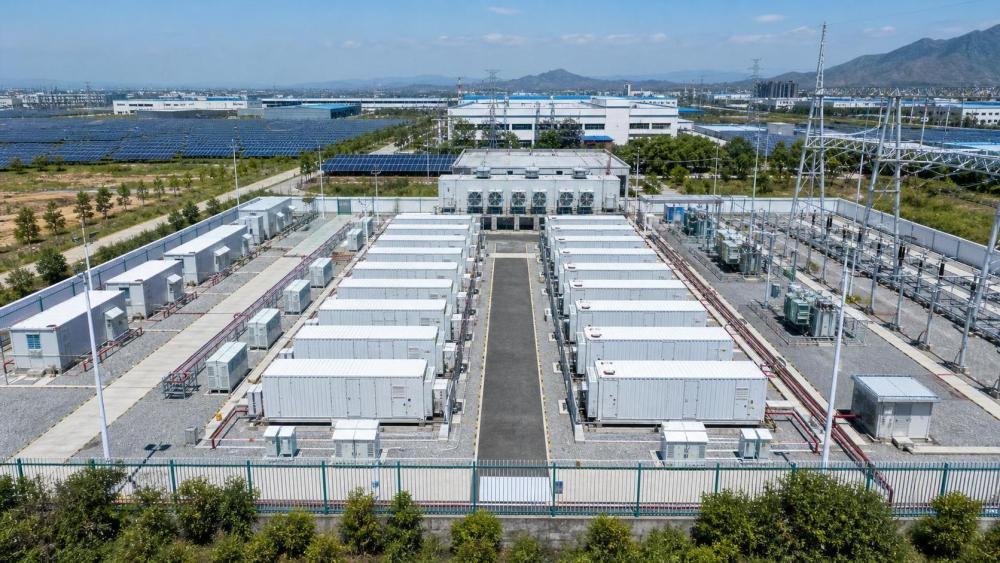
In real project screening, the strongest battery storage EPC companies are usually the ones that define boundaries clearly before construction starts.
What an EPC scope should actually cover
Many proposals look complete until the review reaches interfaces.
That is where integration risk often appears.
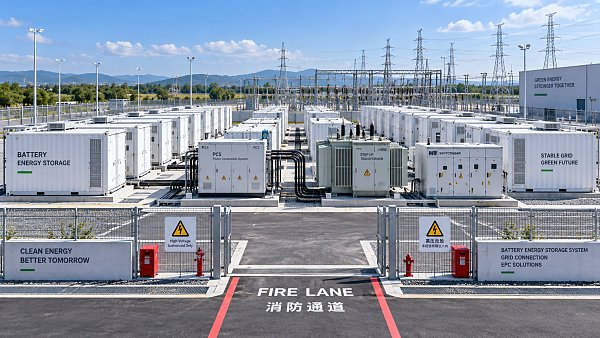
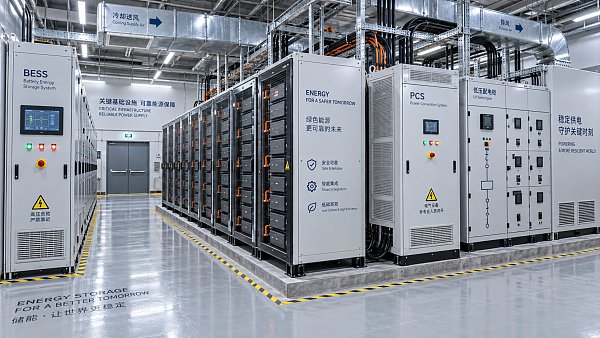
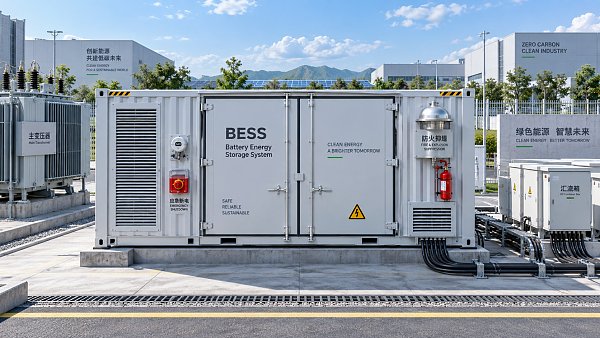
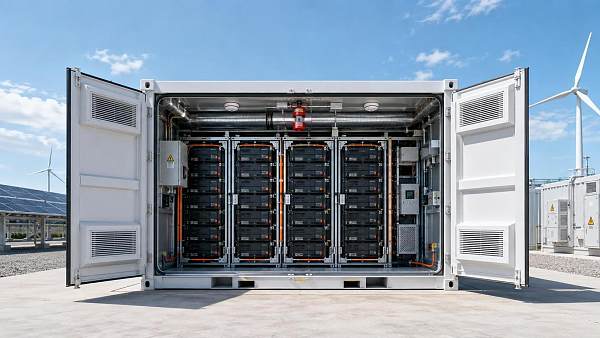
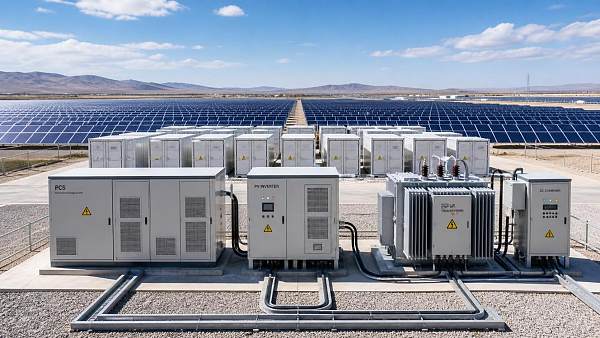
A workable design scope should describe more than containers, PCS units, and transformers.
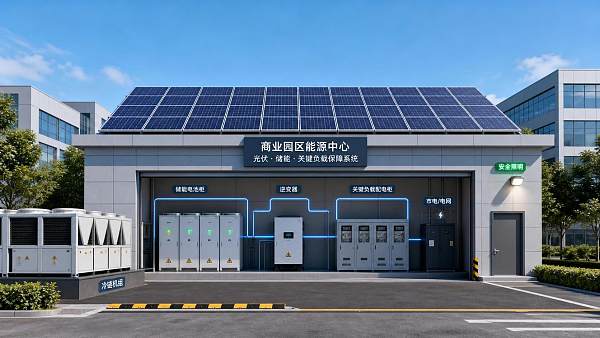
It should show how the contractor handles civil works, electrical balance of plant, communications, SCADA links, fire systems, HVAC, auxiliary loads, and commissioning tests.
It should also identify which party owns each interface with the utility, substation, renewable plant, or site energy management platform.
Scope clarity matters at three levels
- System level: energy capacity, power rating, usable depth of discharge, augmentation assumptions, and operating profile.
- Equipment level: cell chemistry, rack layout, BMS hierarchy, PCS topology, transformer arrangement, and thermal design.
- Interface level: protection settings, telemetry, dispatch commands, alarms, site network, and third-party control integration.
Battery storage EPC companies often differ less in headline specification than in how they define these boundaries.
A vague scope can shift cost and risk downstream, especially during FAT, SAT, and grid witness testing.
Questions hidden behind the one-line rating
A 100 MW / 200 MWh system may sound straightforward.
In practice, the review should ask whether that rating applies at beginning of life, end of life, AC side, DC side, or a specific ambient temperature.
The same applies to round-trip efficiency, response time, auxiliary consumption, and availability guarantees.
Well-prepared battery storage EPC companies document these assumptions early, because commercial expectations and technical reality must stay aligned.
Grid compliance is no longer a secondary checklist
Energy storage is increasingly expected to behave like critical grid infrastructure.
That changes the review standard.
For standalone systems and solar-plus-storage projects, compliance can affect project timing, dispatch flexibility, and revenue certainty.
Grid operators may require specific performance for voltage control, frequency response, ramp rate management, fault ride-through, reactive power support, harmonics, and communication protocols.
Not every EPC team has the same depth in interconnection studies or utility coordination.
What to review before interconnection becomes a delay
In regions with fast renewable growth, this review is becoming more important than basic hardware comparison.
EPEM tracks this shift because grid modernization now shapes storage project bankability as much as equipment cost does.
O&M should be treated as part of project design
Some tenders still treat O&M as a later service package.
That is a weak assumption for battery assets.
Battery degradation, software updates, thermal behavior, spare parts strategy, and safety event response all depend on early design choices.
If O&M is disconnected from EPC scope, accountability becomes blurred after handover.
The useful O&M questions are operational, not promotional
- Which alarms trigger remote action, site visit, or emergency shutdown?
- How are warranty claims linked to data logging and operating records?
- Who owns cybersecurity patching for gateways, controllers, and monitoring software?
- What augmentation path is assumed if contract energy must be maintained later?
- How are fire system inspections, thermal events, and safety drills documented?
Strong battery storage EPC companies usually connect O&M terms to measurable site obligations.
That includes response time, critical spare parts, software support, reporting format, and escalation channels.
It also includes the practical issue of who can modify control logic without affecting warranty coverage.
How project context changes the evaluation
Not all storage projects should use the same review lens.
The EPC requirements for a merchant grid-scale battery differ from those of a commercial backup system or a solar hybrid project.
That difference affects design depth, controls architecture, compliance testing, and service expectations.
Typical scenarios and review emphasis
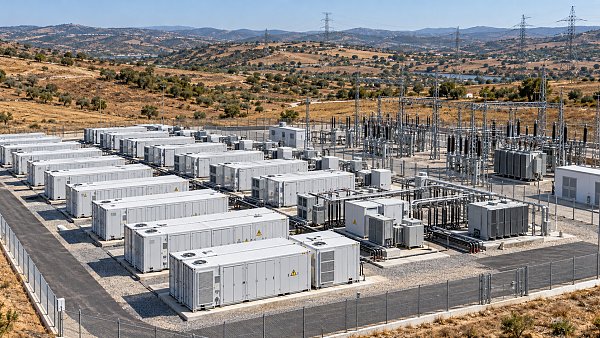
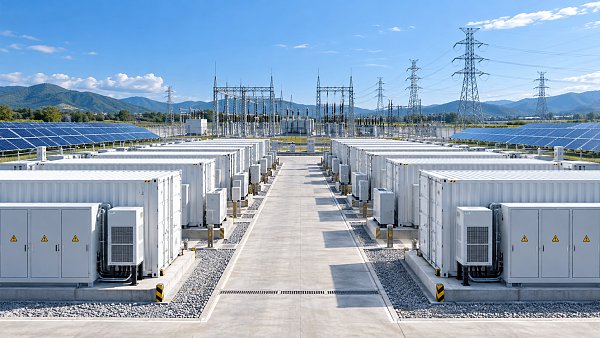
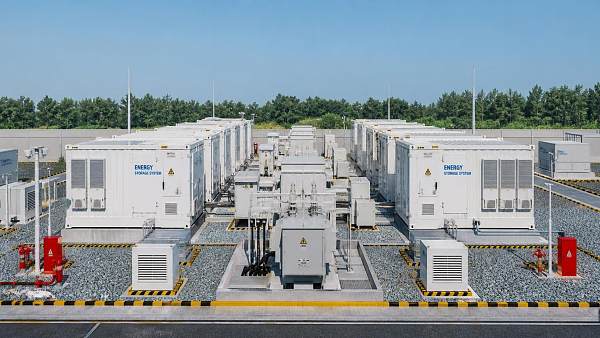
For utility-scale standalone storage, interconnection studies, dispatch accuracy, and performance guarantees usually carry the most weight.
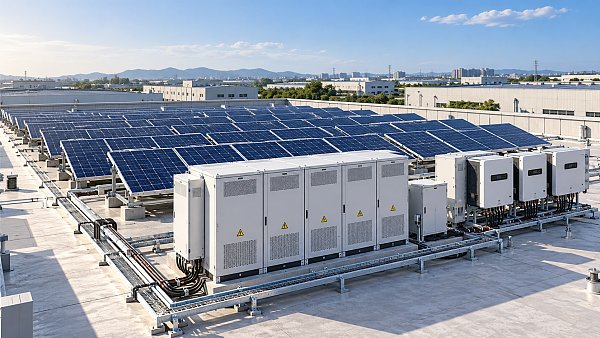
For solar-plus-storage, the key issue is often controller integration between PV inverters, plant controller, and battery dispatch logic.
For commercial and industrial systems, site load profile, backup sequencing, tariff logic, and facility safety procedures become more important.
For microgrids, black start behavior, islanding control, and coordination with diesel or other generation assets deserve closer review.
Battery storage EPC companies that understand these distinctions usually provide a more credible execution plan.
A practical way to compare battery storage EPC companies
A structured matrix often reveals more than a glossy proposal deck.
The comparison should combine technical, contractual, and operational criteria.
That is especially useful when several bidders offer similar cell suppliers or PCS brands.
- Check whether design assumptions are explicit or hidden inside exclusions.
- Review model ownership, study responsibility, and utility communication workflow.
- Compare commissioning logic, not only mechanical completion dates.
- Examine O&M obligations through data access, software rights, and service response.
- Test guarantee language against degradation assumptions and operating profile.
This approach aligns with the way EPEM frames energy projects.
A storage plant is not just assembled equipment.
It is a long-term power asset shaped by engineering choices, grid behavior, and service discipline over time.
What to do with the review findings
The next step is not simply to rank bidders from lowest to highest cost.
It is to separate manageable gaps from structural risk.
If battery storage EPC companies differ on scope clarity, grid model readiness, or O&M accountability, those points should feed directly into clarifications, contract language, and milestone conditions.
A short review checklist can help: confirm system boundaries, verify compliance path, test controls integration, and connect service obligations to measurable outcomes.
That kind of discipline improves decision quality before procurement hardens into execution risk.
In a market where storage supports renewable integration, charging infrastructure, flexible grids, and distributed energy systems, careful review remains the more durable advantage.
Questions about market trends? Contact Market Scope Live for deeper business insights.
We respect your privacy. Your information is strictly confidential.
Related News
 Energy Storage Systems / BESSNYSERDA Opens Second 2026 Bulk Storage Solicitation Targeting 1 GWNYSERDA’s second 2026 bulk energy storage solicitation targets 1 GW. Explore the opportunity for developers, investors and New York’s grid.MORE+
 Energy Storage Systems / BESSCroatia’s First Transmission-Connected Standalone Battery Project Enters OperationCroatia’s first transmission-connected standalone battery project is operational. Discover how the 60 MW Šibenik facility could support grid flexibility.MORE+
 Energy Storage Systems / BESSAustralia's NEM Battery Storage Hits Record 20.17 GWh, Up 203% Year on YearAustralia's NEM battery storage reportedly hits 20.17 GWh, up 203% year on year. Explore what the record could mean for grid-scale projects and procurement.MORE+
 Energy Storage Systems / BESSC&I Energy Storage in Germany: What Drives Project ROI?C&I energy storage in Germany: discover what drives project ROI, from peak shaving and solar savings to costs, tariffs and smarter battery sizing.MORE+
 Energy Storage Systems / BESSChoosing Energy Storage Containers: Capacity, Power and Safety CriteriaCompare energy storage containers by usable capacity, power, safety and grid integration. Learn what to ask suppliers before choosing a system.MORE+
 Energy Storage Systems / BESSNeoen, Frontier Energy and Lightyears Secure Funding for Renewable ProjectsNeoen, Frontier Energy and Lightyears secure renewable energy financing. Explore what the funding means for solar, wind and battery storage projects.MORE+
 Energy Storage Systems / BESSChoosing a Battery Energy Storage Container Manufacturer: Key Supplier ChecksChoosing a battery energy storage containers manufacturer? Learn how to assess safety, integration, warranties and total costs before you buy.MORE+
 Energy Storage Systems / BESSCATL Introduces Grid Connection and Financing Commitments in AustraliaCATL introduces energy storage with 25-year grid connection and financing commitments in Australia. Explore what the proposed model means for projects.MORE+
 Energy Storage Systems / BESSPortugal Mandates Grid-Forming Capability for Large Storage and Launches 1 GW TenderPortugal grid-forming rules target large standalone energy storage projects as a 1 GW tender launches. Explore the implications for developers and suppliers.MORE+
 Energy Storage Systems / BESSAdding Battery Storage to Rooftop Solar: When to Use AC vs. DC CouplingExplore rooftop solar storage integration: compare AC vs. DC coupling, inverter compatibility, backup power, and lifecycle costs to choose the right battery setup.MORE+
 Energy Storage Systems / BESSHeron Power and NiSource Announce US Data Center Deals Involving BESSHeron Power and NiSource announce US data center deals involving BESS. Explore how transformer integration and long-term power supply are shaping data center energy plans.MORE+
 Energy Storage Systems / BESSPeak Energy Raises $108 Million as GM Ventures Leads Sodium-Ion Storage RoundPeak Energy raises $108 million in a GM Ventures-led round to scale sodium-ion storage for grids and AI data centers. Explore what buyers should assess before committing.MORE+
 Energy Storage Systems / BESSRondo Energy and Rio Tinto Begin Design of Australia's Largest Thermal Storage ProjectRondo Energy and Rio Tinto begin design of a 30 MW/360 MWh thermal storage project at Yarwun. Explore its potential for industrial decarbonization and future procurement.MORE+
 Energy Storage Systems / BESSCATL Nine-Month Net Profit Rises 31.6% as Energy Storage Emerges as a Growth DriverCATL’s reported nine-month net profit rose 31.6% as energy storage gains momentum. Explore what this shift could mean for battery buyers, overseas orders and procurement planning.MORE+
 Energy Storage Systems / BESSScalable Power Solutions for Commercial Facilities with Uneven Site DemandScalable power solutions for multi-site commercial facilities: optimize uneven demand, resilience, storage, solar, and controls with a repeatable portfolio strategy.MORE+
 Energy Storage Systems / BESSWhen Do Commercial Property Owners Face Peak Demand for On-Site Energy?Commercial property owners peak demand often occurs when HVAC, occupancy, EV charging, and equipment loads coincide. Discover practical strategies to manage costs, capacity, and on-site energy resilience.MORE+
 Energy Storage Systems / BESSWhen Does a Containerized Hybrid Solar-Storage System Make Sense for Remote Sites?containerized hybrid solar storage for remote sites: discover when it cuts diesel costs, improves reliability, and simplifies deployment with smarter sizing and design.MORE+
 Energy Storage Systems / BESSHow to Specify Steel Battery Enclosures for Outdoor BESS Fire and Corrosion RisksSteel battery enclosures: learn how to specify corrosion protection, fire-ready interfaces, drainage, and durable outdoor BESS performance.MORE+
 Energy Storage Systems / BESSBattery Energy Storage Cost: What Drives $/kWh and Project ROI?Battery energy storage cost explained: compare usable $/kWh, system scope, grid connection, warranty, and lifecycle factors to build a stronger storage ROI.MORE+
 Energy Storage Systems / BESSWhat Drives BESS Fire Protection Costs in Utility-Scale Storage Projects?Energy storage fire protection cost drivers explained: compare BESS safety systems, site design, compliance, and integration to budget smarter.MORE+
 Energy Storage Systems / BESSHow to Size Grid-Scale Energy Storage for Peak Shaving and Renewable FirmingGrid scale energy storage sizing guide for peak shaving and renewable firming—learn how to model MW, MWh, dispatch, degradation, and grid limits.MORE+
 Energy Storage Systems / BESSWhat Drives Battery Energy Management System Costs in BESS Projects?Battery energy management systems cost depends on controls, integration, grid compliance, cybersecurity, and lifecycle support. Learn how to evaluate BESS EMS proposals wisely.MORE+
 Energy Storage Systems / BESSHow to Size a Commercial Microgrid Battery System for Peak Shaving and Backup PowerCommercial microgrid battery system sizing guide for peak shaving and backup power—optimize kW, kWh, reserve SOC, controls, and resilience.MORE+
 Energy Storage Systems / BESSHow to Select a Battery Storage EPC Partner for Utility-Scale Projects in EuropeBattery storage EPC Europe: choose the right utility-scale partner with proven grid expertise, safety leadership, supply-chain control, and reliable commissioning.MORE+
 Energy Storage Systems / BESSHow to Evaluate a Stationary Battery Storage Manufacturer for Critical Backup PowerStationary battery storage manufacturer evaluation guide: compare safety, usable capacity, integration, warranties, lifecycle cost, and service support for reliable critical backup power.MORE+
 Energy Storage Systems / BESSDo Utilities Prefer Centralized or Distributed Energy Storage Models?Do utility companies prefer centralized or distributed energy storage models? Explore how grid constraints, costs, resilience, and control shape the best storage strategy.MORE+
 Energy Storage Systems / BESSWhat Fire Safety Requirements Apply to Containerized Battery Storage?What are the fire safety requirements for containerized battery storage systems? Explore codes, detection, suppression, ventilation, shutdown, and site design essentials.MORE+
 Energy Storage Systems / BESSIs EPEM Useful for Benchmarking Energy Storage Project Performance?Is EPEM useful for benchmarking energy storage project performance data? Explore how it helps normalize efficiency, availability, degradation, dispatch, and lifecycle risks.MORE+
 Energy Storage Systems / BESSBehind-the-Meter Energy Systems for Industrial Parks: Sizing Solar, Storage, and LoadsBehind the meter energy systems for industrial parks: learn how to size solar, storage, and loads for lower costs, resilient operations, and scalable growth.MORE+
 Energy Storage Systems / BESSAerosol Fire Protection for Energy Storage: Key Design Factors for BESS SafetyAerosol fire protection for energy storage: explore key BESS design factors for detection, ventilation, thermal runaway risk, and safer system integration.MORE+
 Energy Storage Systems / BESSHow to Size Solar Backup Energy Systems for Critical Commercial LoadsBackup energy systems with solar: learn how to size critical commercial loads, balance battery power and runtime, and build resilient operations.MORE+
 Energy Storage Systems / BESSWhat Criteria Should You Use to Shortlist Battery Storage EPC Contractors?What criteria should be used to shortlist battery storage EPC contractors? Explore essential checks for engineering, safety, grid integration, delivery, and lifecycle value.MORE+
 Energy Storage Systems / BESSCan Battery Storage Be Added to Existing Solar Farms Without Replacing Inverters?Can battery storage be integrated into existing solar farms without replacing inverters? Explore AC-coupled retrofits, grid limits, controls, costs, and value.MORE+
 Energy Storage Systems / BESSAre Containerized Battery Storage Systems Safe for Urban Deployment?Are containerized battery storage systems safe for urban deployment? Explore key safety factors, fire planning, standards, and site design for reliable urban BESS projects.MORE+
 Energy Storage Systems / BESSSodium-Ion vs Lithium-Ion: Which Is Better for Long-Duration Storage?Is sodium-ion battery better than lithium-ion for long duration storage? Explore cost, safety, energy density, warranties, and the best fit for your storage project.MORE+
 Energy Storage Systems / BESSHow to Size Grid-Scale Battery Energy Storage for Peak Shaving and Grid SupportGrid scale battery energy storage sizing made practical: learn how to match MW, MWh, dispatch, degradation, and grid constraints for reliable peak shaving and grid support.MORE+
 Energy Storage Systems / BESSHow to Integrate Solar and Battery Storage for Reliable Commercial Power ProjectsSolar storage project integration for commercial sites: learn to align load analysis, battery sizing, controls, safety, and grid compliance for reliable power.MORE+
 Energy Storage Systems / BESSHow Does Battery Thermal Management Affect Charger Uptime in Hot Climates?How does battery thermal management affect charger uptime in hot climates? Explore cooling strategies that reduce derating, protect assets, and keep EV charging reliable.MORE+
 Energy Storage Systems / BESSAre Sodium-Ion Batteries Ready for Commercial Charging Storage in 2026?Are sodium-ion batteries ready for commercial charging station storage in 2026? Explore costs, safety, footprint trade-offs, and project-fit insights.MORE+
 Energy Storage Systems / BESSHow to Size Energy Storage Containers for Reliable Microgrid PerformanceEnergy storage containers for microgrids: learn how to size capacity, power, backup duration, and reserve margins to improve reliability, cut costs, and support smarter project decisions.MORE+