
Battery Enclosures in Mexico: How to Compare IP Ratings, Heat Control, and Compliance
Battery Enclosures in Mexico: How to Compare IP Ratings, Heat Control, and Compliance
Choosing battery enclosures in Mexico requires more than checking a product brochure.
For technical evaluations, the real work starts with enclosure protection, heat behavior, and compliance fit.
That matters in utility storage, industrial backup, EV charging, and distributed energy projects.
A weak enclosure can reduce uptime, raise thermal stress, complicate maintenance, and create avoidable safety exposure.
In Mexico, the comparison is even more practical.
Sites may face dust, coastal humidity, solar loading, altitude effects, and varying installation standards.
This is why battery enclosures in Mexico should be assessed as part of the full operating environment.
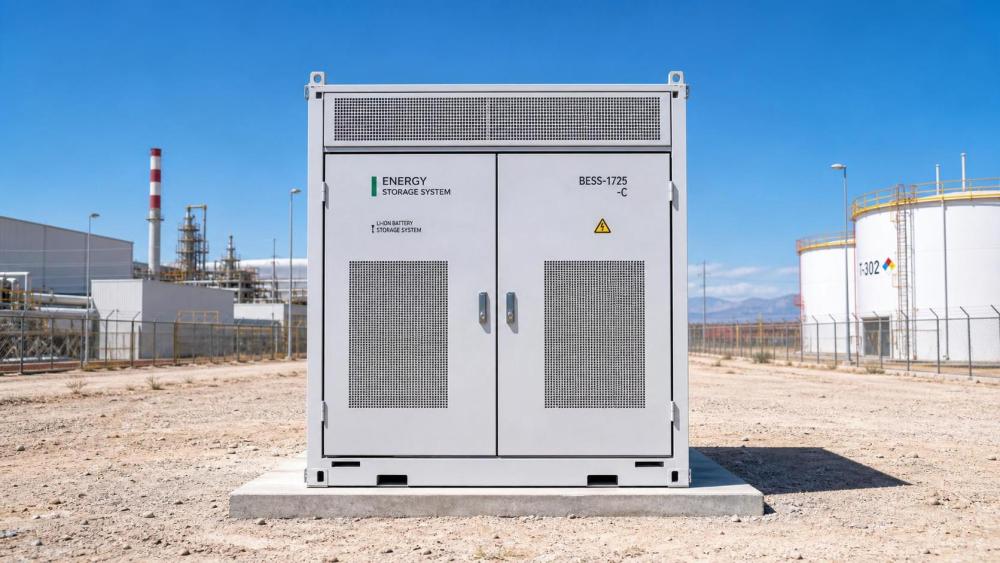
Instead of comparing only dimensions and price, focus on performance under local conditions.
A better decision usually comes from five questions.
- What level of ingress protection is truly needed?
- How does the enclosure control internal heat?
- Which certifications support the project scope?
- How easy is the enclosure to service and monitor?
- Will the design support long-term asset life in Mexico?
Those questions create a more reliable shortlist for battery enclosures in Mexico.
Start With the Site, Not the Catalog
The first useful step is mapping the actual site conditions.
Battery enclosures in Mexico serve projects from dry inland zones to humid industrial corridors and coastal regions.
Each location changes the enclosure requirement.
For example, a dusty site may need tighter sealing.
A hot site may need stronger active cooling and better thermal separation between components.
A coastal site may need corrosion-resistant materials and coatings.
This also means specification gaps appear early.
If a supplier only provides generic enclosure language, the design review is incomplete.
Ask for ambient temperature range, altitude limits, salt mist resistance, UV durability, and service access details.
That baseline improves any comparison of battery enclosures in Mexico.
How to Compare IP Ratings Without Oversimplifying
IP rating is often the first filter, but it should not be the last one.
For battery enclosures in Mexico, the rating must match real exposure, not marketing preference.
The first digit addresses solids such as dust.
The second digit addresses water exposure.
In practical terms, common ratings include IP54, IP55, IP65, and IP66.
Higher is not always better if it restricts airflow or increases maintenance complexity.
That is where real evaluation begins.
When reviewing battery enclosures in Mexico, ask how the rating is maintained after cable entry, field assembly, and repeated maintenance.
A strong nominal rating means little if doors warp, gaskets age quickly, or field modifications weaken protection.
Also review drainage and condensation management.
Moisture inside the enclosure can become a bigger issue than rain outside it.
Heat Control Is Often the Real Differentiator
For battery enclosures in Mexico, thermal control is usually the most important technical separator.
High ambient temperatures can accelerate cell degradation and reduce system availability.
That risk grows when solar radiation hits dark metal surfaces for long periods.
A good enclosure design handles both internal heat generation and external heat gain.
Compare the cooling method, control logic, and thermal uniformity.
- Passive ventilation may suit mild conditions, but often struggles in hot outdoor use.
- Forced-air cooling can be cost-effective, but filter maintenance becomes critical.
- HVAC-based cooling offers stronger control, yet raises parasitic load and service requirements.
- Liquid cooling can improve thermal stability, especially in dense systems, but adds mechanical complexity.
The better question is not which method sounds advanced.
The better question is whether the method keeps cells within a narrow and stable operating band.
Ask suppliers for thermal maps, peak load behavior, cooldown time, and failure mode response.
For battery enclosures in Mexico, also review derating assumptions at high ambient temperature and elevation.
That detail affects project economics more than many teams expect.
Compliance Should Be Local, Technical, and Documented
Compliance review should never be treated as a paperwork step at the end.
For battery enclosures in Mexico, compliance affects grid acceptance, insurance review, permitting confidence, and operational risk.
The exact list depends on project type, but several checkpoints are common.
- IEC or UL references relevant to enclosure safety and battery integration
- Mexican electrical and installation requirements applicable to the site
- Fire detection, suppression, and emergency isolation documentation
- Grounding, fault handling, and arc risk mitigation details
- Component traceability and factory test records
This is where many enclosure comparisons become shallow.
A vendor may mention compliance, but not define whether it applies to the full assembly or only individual parts.
That difference is important.
In actual procurement, request certificates, test scopes, and the document issue date.
Also confirm whether the delivered configuration matches the tested configuration.
That discipline helps avoid compliance surprises after delivery.
Look Beyond the Box: Materials, Safety, and Service Access
Battery enclosures in Mexico should also be compared through material quality and operating practicality.
A solid enclosure supports maintenance, isolation, inspection, and repair without disrupting the entire system.
This becomes more valuable over years of operation.
Review the following points carefully.
- Material and coating performance under UV, humidity, and salt exposure.
- Door strength, locking systems, and tamper resistance.
- Internal compartment separation for batteries, power electronics, and controls.
- Clear routing for cables, sensors, and communication lines.
- Working space for technicians wearing PPE.
- Sensor access, alarms, and remote monitoring integration.
A well-designed enclosure makes operations easier.
A poor design creates slow inspections, awkward repairs, and more downtime during routine service.
That is why battery enclosures in Mexico should be scored on maintainability, not only protection level.
A Practical Comparison Framework for Final Selection
A useful selection process turns technical detail into a consistent decision model.
For battery enclosures in Mexico, a weighted review matrix works better than price-first ranking.
One practical structure is shown below.
This approach helps separate technically suitable options from visually similar products.
It also creates a cleaner basis for supplier discussions and internal approval.
In the end, the best battery enclosures in Mexico are not simply the most sealed or the most advertised.
They are the enclosures that match site conditions, control heat effectively, meet documented compliance needs, and remain serviceable over time.
Before final selection, compare three shortlisted designs against the same environmental, thermal, and compliance checklist.
That final side-by-side review usually reveals the strongest choice for long-term project performance in Mexico.
Questions about market trends? Contact Market Scope Live for deeper business insights.
We respect your privacy. Your information is strictly confidential.
Related News
 Energy Storage Systems / BESSAustralia's NEM Battery Storage Hits Record 20.17 GWh, Up 203% Year on YearAustralia's NEM battery storage reportedly hits 20.17 GWh, up 203% year on year. Explore what the record could mean for grid-scale projects and procurement.MORE+
 Energy Storage Systems / BESSC&I Energy Storage in Germany: What Drives Project ROI?C&I energy storage in Germany: discover what drives project ROI, from peak shaving and solar savings to costs, tariffs and smarter battery sizing.MORE+
 Energy Storage Systems / BESSChoosing Energy Storage Containers: Capacity, Power and Safety CriteriaCompare energy storage containers by usable capacity, power, safety and grid integration. Learn what to ask suppliers before choosing a system.MORE+
 Energy Storage Systems / BESSNeoen, Frontier Energy and Lightyears Secure Funding for Renewable ProjectsNeoen, Frontier Energy and Lightyears secure renewable energy financing. Explore what the funding means for solar, wind and battery storage projects.MORE+
 Energy Storage Systems / BESSChoosing a Battery Energy Storage Container Manufacturer: Key Supplier ChecksChoosing a battery energy storage containers manufacturer? Learn how to assess safety, integration, warranties and total costs before you buy.MORE+
 Energy Storage Systems / BESSCATL Introduces Grid Connection and Financing Commitments in AustraliaCATL introduces energy storage with 25-year grid connection and financing commitments in Australia. Explore what the proposed model means for projects.MORE+
 Energy Storage Systems / BESSPortugal Mandates Grid-Forming Capability for Large Storage and Launches 1 GW TenderPortugal grid-forming rules target large standalone energy storage projects as a 1 GW tender launches. Explore the implications for developers and suppliers.MORE+
 Energy Storage Systems / BESSAdding Battery Storage to Rooftop Solar: When to Use AC vs. DC CouplingExplore rooftop solar storage integration: compare AC vs. DC coupling, inverter compatibility, backup power, and lifecycle costs to choose the right battery setup.MORE+
 Energy Storage Systems / BESSHeron Power and NiSource Announce US Data Center Deals Involving BESSHeron Power and NiSource announce US data center deals involving BESS. Explore how transformer integration and long-term power supply are shaping data center energy plans.MORE+
 Energy Storage Systems / BESSPeak Energy Raises $108 Million as GM Ventures Leads Sodium-Ion Storage RoundPeak Energy raises $108 million in a GM Ventures-led round to scale sodium-ion storage for grids and AI data centers. Explore what buyers should assess before committing.MORE+
 Energy Storage Systems / BESSRondo Energy and Rio Tinto Begin Design of Australia's Largest Thermal Storage ProjectRondo Energy and Rio Tinto begin design of a 30 MW/360 MWh thermal storage project at Yarwun. Explore its potential for industrial decarbonization and future procurement.MORE+
 Energy Storage Systems / BESSCATL Nine-Month Net Profit Rises 31.6% as Energy Storage Emerges as a Growth DriverCATL’s reported nine-month net profit rose 31.6% as energy storage gains momentum. Explore what this shift could mean for battery buyers, overseas orders and procurement planning.MORE+
 Energy Storage Systems / BESSScalable Power Solutions for Commercial Facilities with Uneven Site DemandScalable power solutions for multi-site commercial facilities: optimize uneven demand, resilience, storage, solar, and controls with a repeatable portfolio strategy.MORE+
 Energy Storage Systems / BESSWhen Do Commercial Property Owners Face Peak Demand for On-Site Energy?Commercial property owners peak demand often occurs when HVAC, occupancy, EV charging, and equipment loads coincide. Discover practical strategies to manage costs, capacity, and on-site energy resilience.MORE+
 Energy Storage Systems / BESSWhen Does a Containerized Hybrid Solar-Storage System Make Sense for Remote Sites?containerized hybrid solar storage for remote sites: discover when it cuts diesel costs, improves reliability, and simplifies deployment with smarter sizing and design.MORE+
 Energy Storage Systems / BESSHow to Specify Steel Battery Enclosures for Outdoor BESS Fire and Corrosion RisksSteel battery enclosures: learn how to specify corrosion protection, fire-ready interfaces, drainage, and durable outdoor BESS performance.MORE+
 Energy Storage Systems / BESSBattery Energy Storage Cost: What Drives $/kWh and Project ROI?Battery energy storage cost explained: compare usable $/kWh, system scope, grid connection, warranty, and lifecycle factors to build a stronger storage ROI.MORE+
 Energy Storage Systems / BESSWhat Drives BESS Fire Protection Costs in Utility-Scale Storage Projects?Energy storage fire protection cost drivers explained: compare BESS safety systems, site design, compliance, and integration to budget smarter.MORE+
 Energy Storage Systems / BESSHow to Size Grid-Scale Energy Storage for Peak Shaving and Renewable FirmingGrid scale energy storage sizing guide for peak shaving and renewable firming—learn how to model MW, MWh, dispatch, degradation, and grid limits.MORE+
 Energy Storage Systems / BESSWhat Drives Battery Energy Management System Costs in BESS Projects?Battery energy management systems cost depends on controls, integration, grid compliance, cybersecurity, and lifecycle support. Learn how to evaluate BESS EMS proposals wisely.MORE+
 Energy Storage Systems / BESSHow to Size a Commercial Microgrid Battery System for Peak Shaving and Backup PowerCommercial microgrid battery system sizing guide for peak shaving and backup power—optimize kW, kWh, reserve SOC, controls, and resilience.MORE+
 Energy Storage Systems / BESSHow to Select a Battery Storage EPC Partner for Utility-Scale Projects in EuropeBattery storage EPC Europe: choose the right utility-scale partner with proven grid expertise, safety leadership, supply-chain control, and reliable commissioning.MORE+
 Energy Storage Systems / BESSHow to Evaluate a Stationary Battery Storage Manufacturer for Critical Backup PowerStationary battery storage manufacturer evaluation guide: compare safety, usable capacity, integration, warranties, lifecycle cost, and service support for reliable critical backup power.MORE+
 Energy Storage Systems / BESSDo Utilities Prefer Centralized or Distributed Energy Storage Models?Do utility companies prefer centralized or distributed energy storage models? Explore how grid constraints, costs, resilience, and control shape the best storage strategy.MORE+
 Energy Storage Systems / BESSWhat Fire Safety Requirements Apply to Containerized Battery Storage?What are the fire safety requirements for containerized battery storage systems? Explore codes, detection, suppression, ventilation, shutdown, and site design essentials.MORE+
 Energy Storage Systems / BESSIs EPEM Useful for Benchmarking Energy Storage Project Performance?Is EPEM useful for benchmarking energy storage project performance data? Explore how it helps normalize efficiency, availability, degradation, dispatch, and lifecycle risks.MORE+
 Energy Storage Systems / BESSBehind-the-Meter Energy Systems for Industrial Parks: Sizing Solar, Storage, and LoadsBehind the meter energy systems for industrial parks: learn how to size solar, storage, and loads for lower costs, resilient operations, and scalable growth.MORE+
 Energy Storage Systems / BESSAerosol Fire Protection for Energy Storage: Key Design Factors for BESS SafetyAerosol fire protection for energy storage: explore key BESS design factors for detection, ventilation, thermal runaway risk, and safer system integration.MORE+
 Energy Storage Systems / BESSHow to Size Solar Backup Energy Systems for Critical Commercial LoadsBackup energy systems with solar: learn how to size critical commercial loads, balance battery power and runtime, and build resilient operations.MORE+
 Energy Storage Systems / BESSWhat Criteria Should You Use to Shortlist Battery Storage EPC Contractors?What criteria should be used to shortlist battery storage EPC contractors? Explore essential checks for engineering, safety, grid integration, delivery, and lifecycle value.MORE+
 Energy Storage Systems / BESSCan Battery Storage Be Added to Existing Solar Farms Without Replacing Inverters?Can battery storage be integrated into existing solar farms without replacing inverters? Explore AC-coupled retrofits, grid limits, controls, costs, and value.MORE+
 Energy Storage Systems / BESSAre Containerized Battery Storage Systems Safe for Urban Deployment?Are containerized battery storage systems safe for urban deployment? Explore key safety factors, fire planning, standards, and site design for reliable urban BESS projects.MORE+
 Energy Storage Systems / BESSSodium-Ion vs Lithium-Ion: Which Is Better for Long-Duration Storage?Is sodium-ion battery better than lithium-ion for long duration storage? Explore cost, safety, energy density, warranties, and the best fit for your storage project.MORE+
 Energy Storage Systems / BESSHow to Size Grid-Scale Battery Energy Storage for Peak Shaving and Grid SupportGrid scale battery energy storage sizing made practical: learn how to match MW, MWh, dispatch, degradation, and grid constraints for reliable peak shaving and grid support.MORE+
 Energy Storage Systems / BESSHow to Integrate Solar and Battery Storage for Reliable Commercial Power ProjectsSolar storage project integration for commercial sites: learn to align load analysis, battery sizing, controls, safety, and grid compliance for reliable power.MORE+
 Energy Storage Systems / BESSHow Does Battery Thermal Management Affect Charger Uptime in Hot Climates?How does battery thermal management affect charger uptime in hot climates? Explore cooling strategies that reduce derating, protect assets, and keep EV charging reliable.MORE+
 Energy Storage Systems / BESSAre Sodium-Ion Batteries Ready for Commercial Charging Storage in 2026?Are sodium-ion batteries ready for commercial charging station storage in 2026? Explore costs, safety, footprint trade-offs, and project-fit insights.MORE+
 Energy Storage Systems / BESSHow to Size Energy Storage Containers for Reliable Microgrid PerformanceEnergy storage containers for microgrids: learn how to size capacity, power, backup duration, and reserve margins to improve reliability, cut costs, and support smarter project decisions.MORE+
 Energy Storage Systems / BESSHow to Evaluate a Fast Frequency Response Inverter for Grid-Scale BESS?Fast frequency response inverter evaluation for grid-scale BESS: learn how to assess control speed, thermal stability, grid-code behavior, and procurement-critical performance before you buy.MORE+
 Energy Storage Systems / BESSChina Expands Cross-Border RMB and FX Cash Pooling, Easing BESS and PV Export SettlementsChina expands cross-border RMB and FX cash pooling nationwide, easing BESS and PV export settlements with faster multi-currency payments, lower FX costs, and smoother buyer-supplier coordination.MORE+


