Are Containerized Battery Storage Systems Safe for Urban Deployment?
The Short Answer: Safe Is a Project Outcome, Not a Container Feature
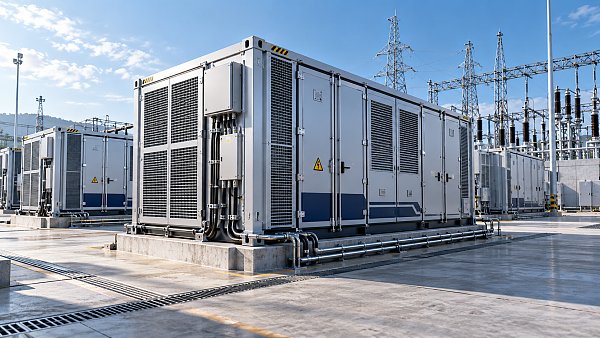
Containerized battery energy storage systems can be deployed safely in urban areas, but the container itself does not make a project safe. In a dense city environment, safety depends on the interaction between battery chemistry, enclosure design, thermal controls, fire protection, site layout, local permitting, operating procedures, and the ability of emergency services to respond.
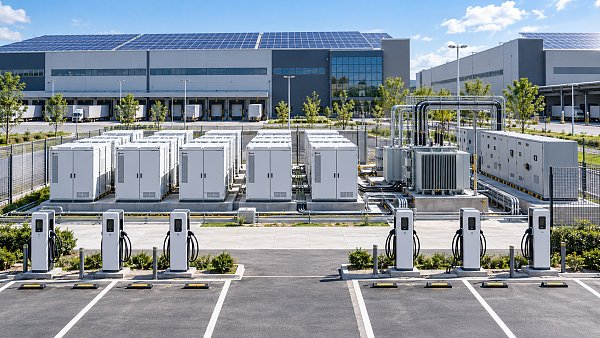
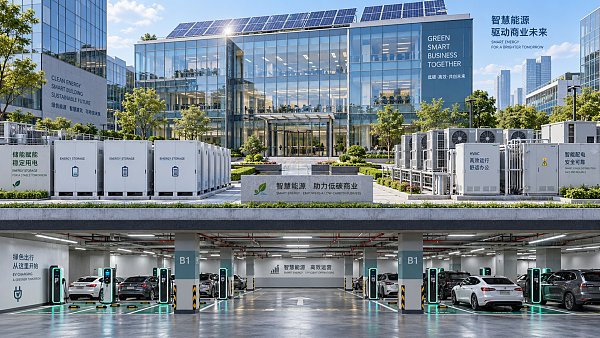
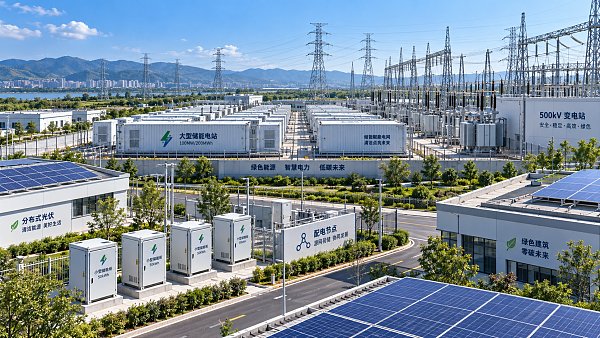
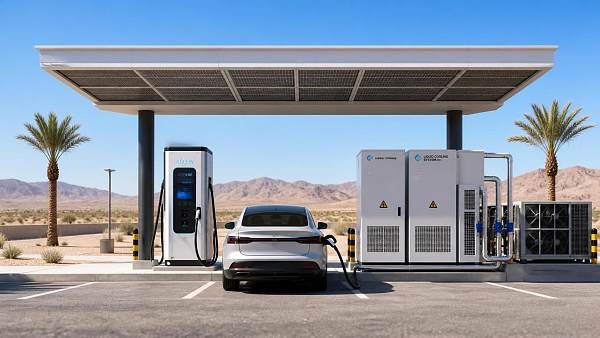
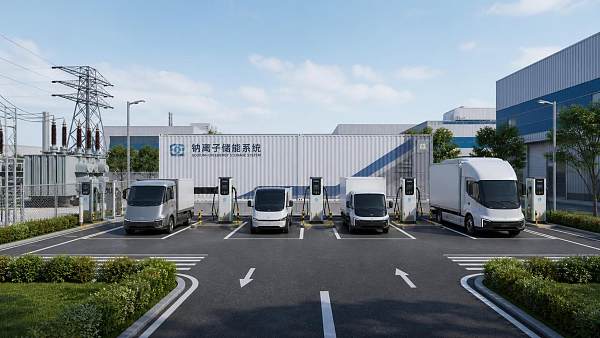
That distinction matters because urban storage is increasingly being considered for locations that leave little margin for error: commercial buildings, logistics facilities, transit depots, brownfield sites, utility substations, data-center campuses, EV charging hubs, and mixed-use industrial districts. These projects can create real value by reducing peak demand, supporting backup power, absorbing solar generation, and relieving local grid constraints. They also place energy equipment closer to people, property, critical infrastructure, and public scrutiny.
For developers and asset owners, the practical question is therefore not whether batteries are categorically safe or unsafe. It is whether a specific system, at a specific site, can control credible failure scenarios to a level acceptable to regulators, insurers, operators, neighboring occupants, and first responders.
Why Urban Deployment Changes the Risk Calculation
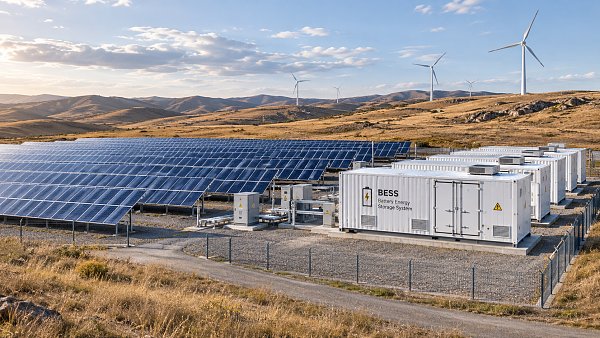
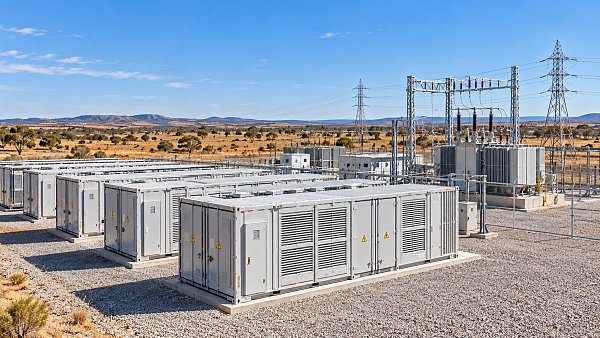
A utility-scale storage project in a remote area and a containerized system beside a warehouse, apartment district, or transport depot may use similar battery modules. Their risk profiles are not similar.
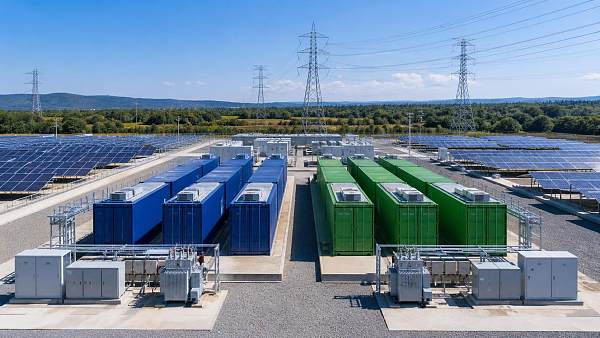
Urban sites typically have tighter setbacks, more limited vehicle access, higher surrounding asset values, more complex electrical interconnection, and less tolerance for prolonged emergency activity. A fire incident at a remote installation may still be serious, but it is less likely to disrupt a hospital access route, force evacuation of adjacent tenants, close a major road, or affect a dense cluster of businesses.
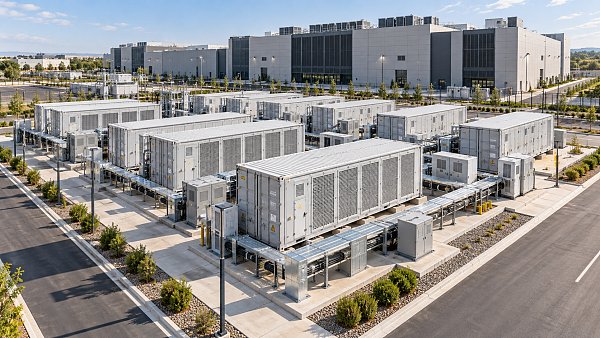
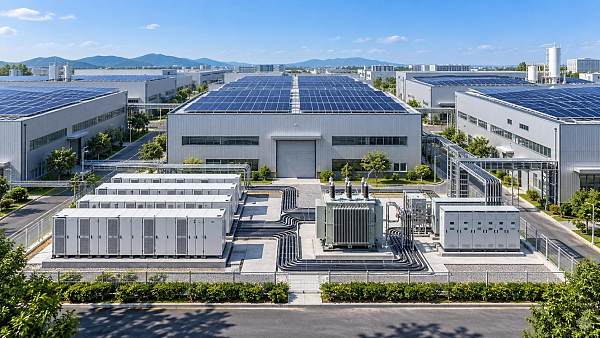
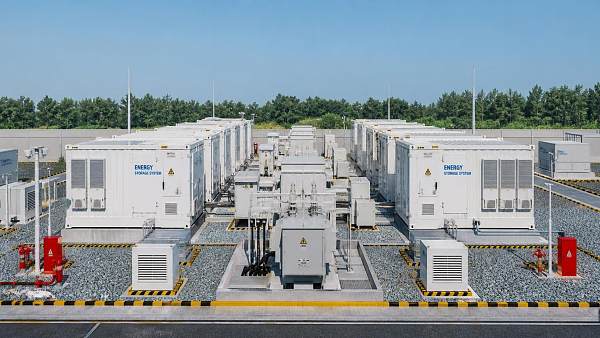
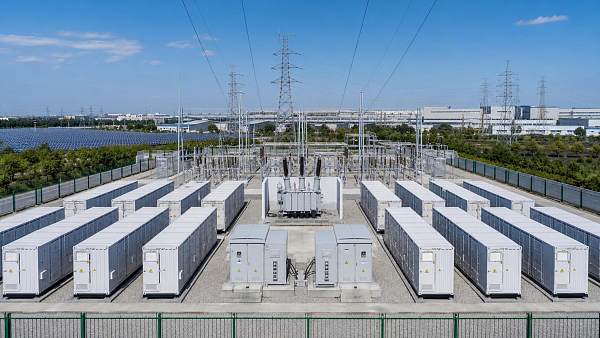
Space constraints can also lead project teams to treat the battery enclosure as a self-contained product that can simply be positioned wherever land is available. That is a weak starting point. A container needs clearance for heat dissipation, equipment access, emergency isolation, maintenance, replacement activities, and potential fire-service operations. The usable site area is often materially larger than the physical footprint of the battery container.
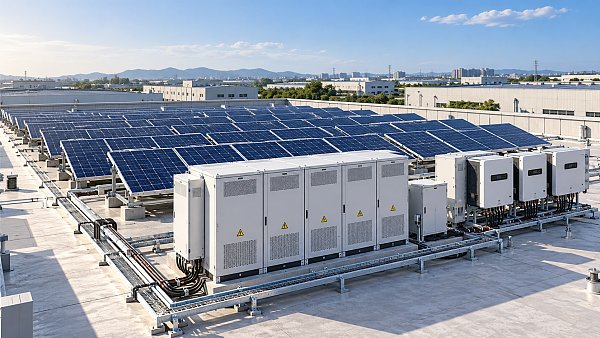
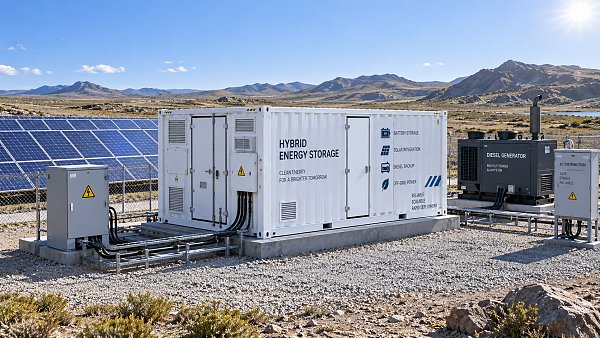
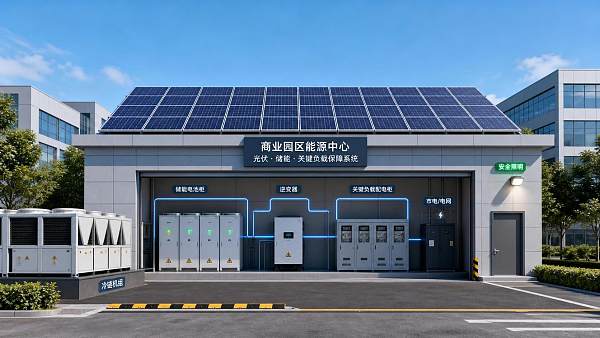
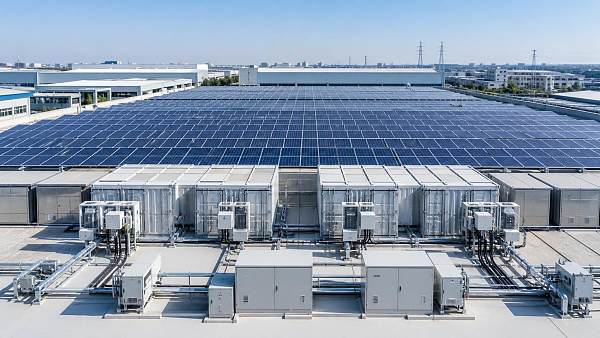
Urban projects also tend to be more operationally complex. A storage system may be paired with rooftop solar, diesel backup, EV fast charging, building loads, a microgrid controller, or a local distribution network. Each additional interface can improve commercial value, but it adds control, protection, and commissioning requirements. The safety case must cover the complete operating system, not just the battery racks.
What Can Go Wrong, and What the Container Must Do
The most discussed battery risk is thermal runaway: a failure condition in which a battery cell generates heat faster than it can dissipate it, potentially causing neighboring cells to fail. This can be triggered by manufacturing defects, internal shorts, mechanical damage, electrical faults, external heat, control failures, overcharging, or degradation that is not detected in time.
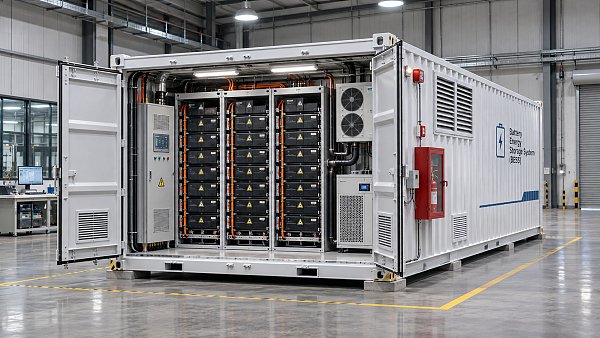
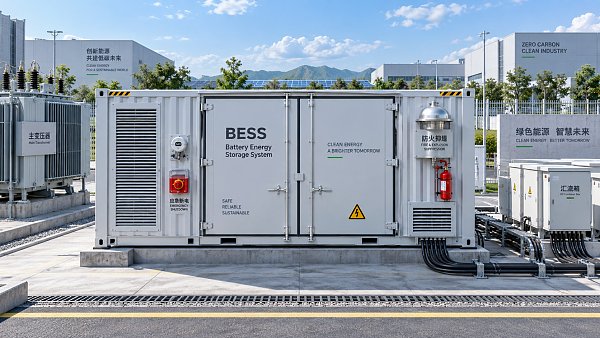
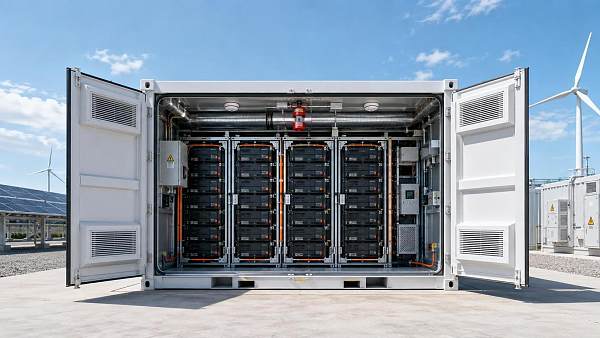
A well-designed containerized system addresses this through layers of protection. These layers may include cell-level controls, battery management systems, fuses and contactors, rack-level monitoring, thermal management, gas detection, fire detection, ventilation or deflagration management, suppression or mitigation equipment, emergency shutdown functions, and separation between battery sections.
However, buyers should be cautious when suppliers present any individual feature as a complete answer. Liquid cooling does not eliminate thermal runaway risk. A fire suppression system cannot compensate for poor cell quality or poor installation practice. Remote monitoring is useful only if alarms are configured correctly, staffed appropriately, and tied to a clear response procedure.
The central issue is whether the system detects abnormal conditions early, limits propagation if an event begins, provides reliable isolation, and gives responders enough information and access to manage the incident.
Comparing the Main Urban Storage Approaches
Containerized storage is not the only format available to urban projects. The right choice depends on site constraints, power requirements, duration needs, occupancy, and local code interpretation. A comparison should begin with deployment context rather than with a preferred equipment format.
Outdoor containerized systems
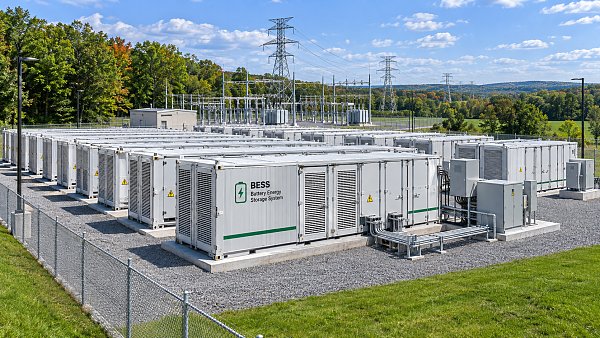
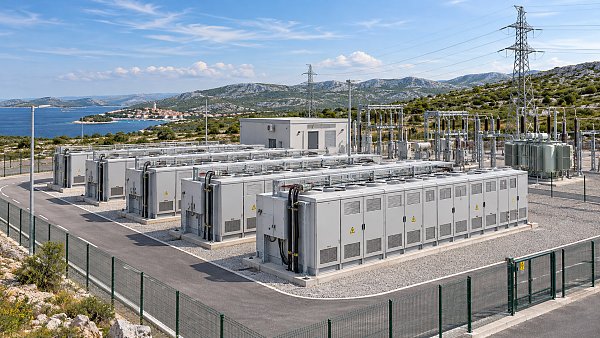
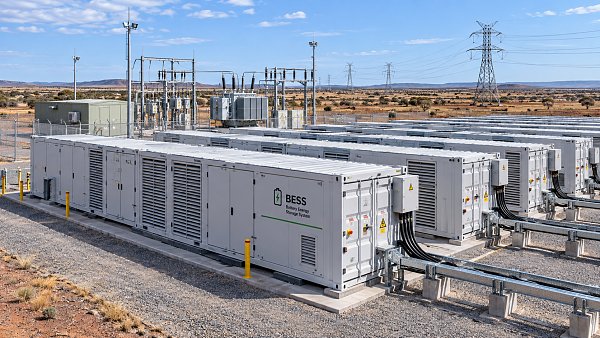
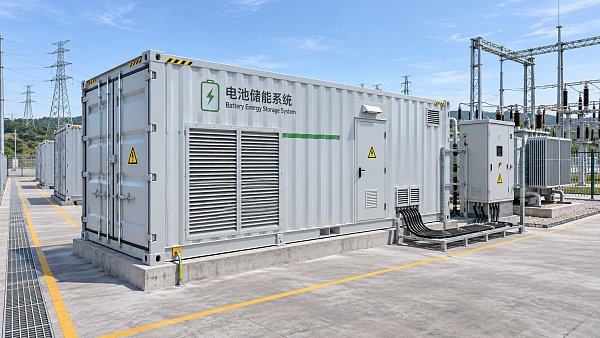
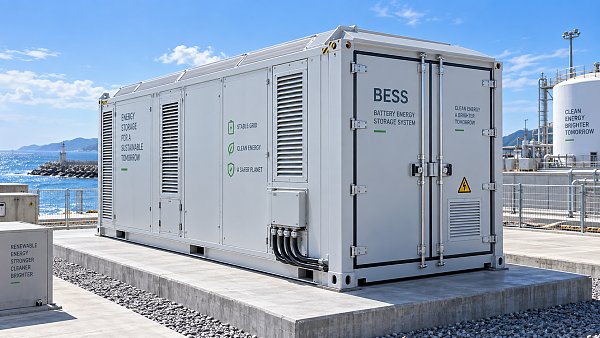
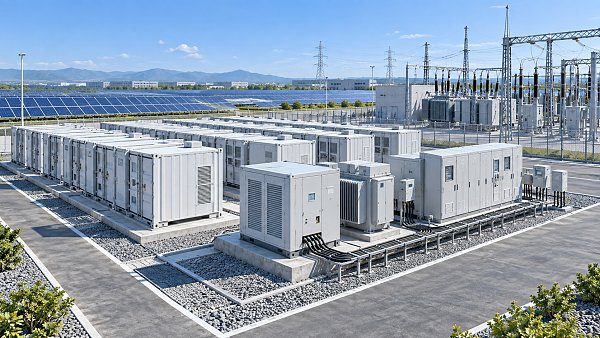
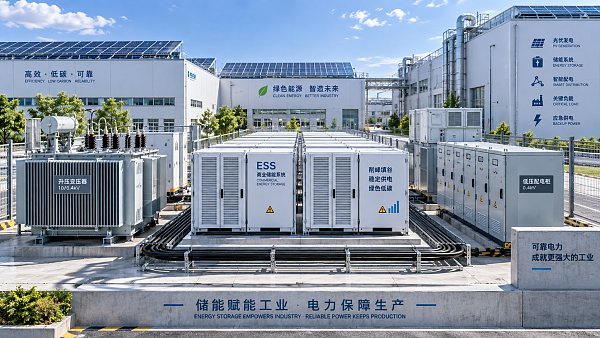
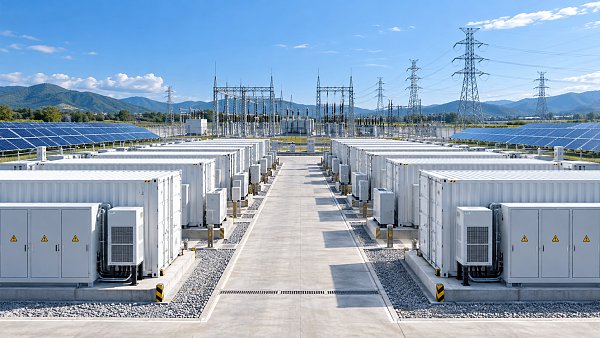
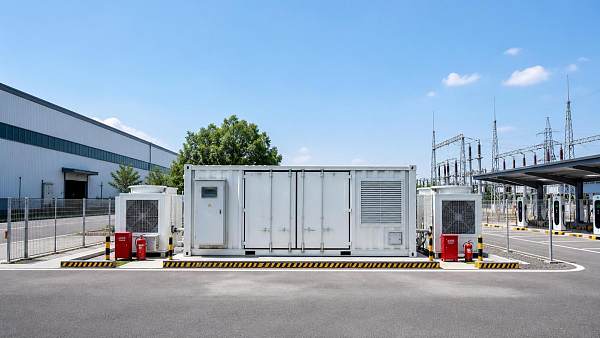
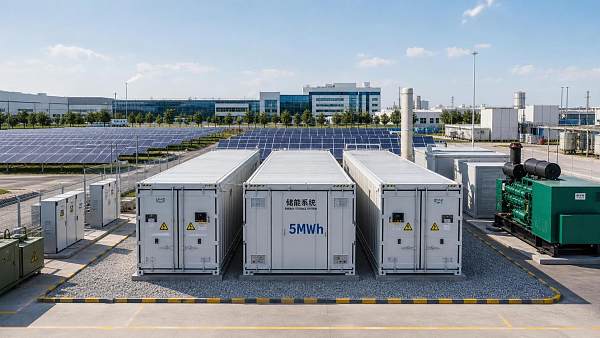
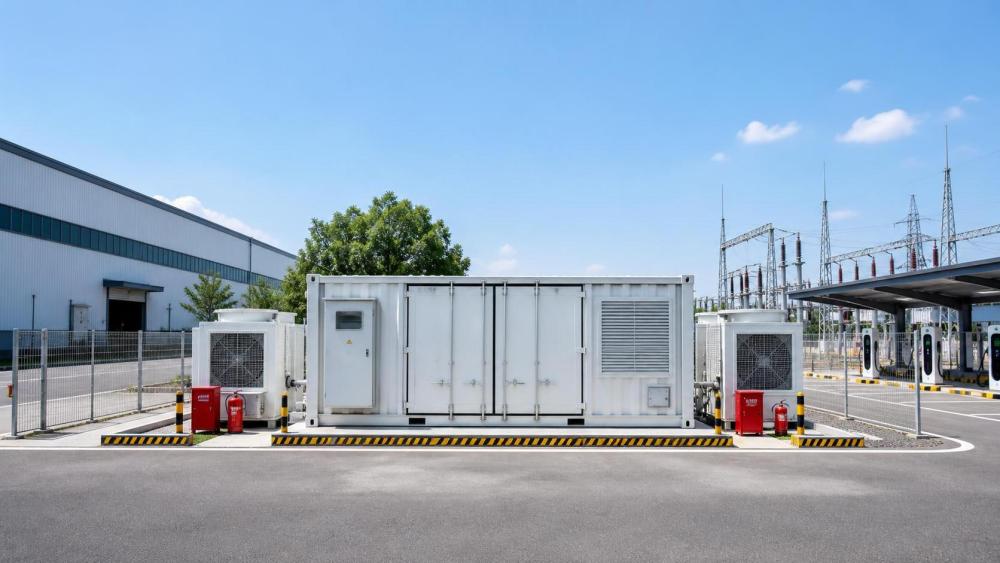
Outdoor containers are often the most practical option for medium and larger commercial, industrial, utility, and transport applications. They can offer standardized manufacturing, factory integration, relatively efficient field installation, and a clearer physical boundary between battery equipment and occupied buildings.
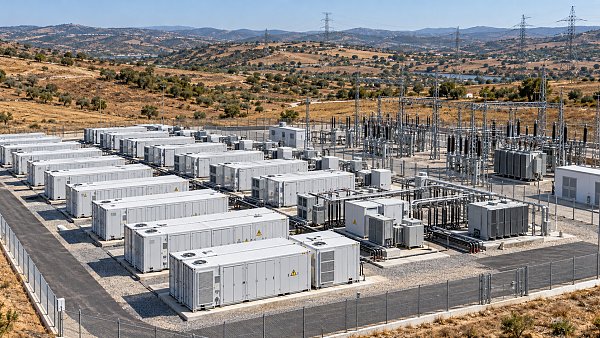
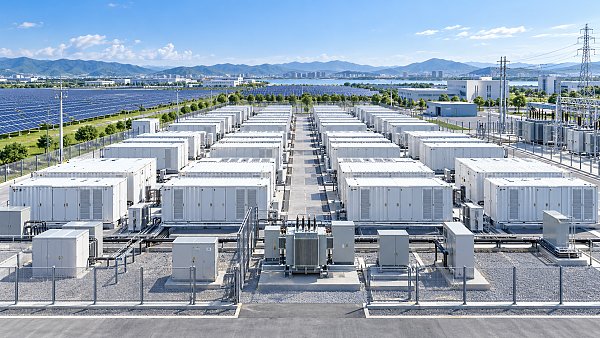
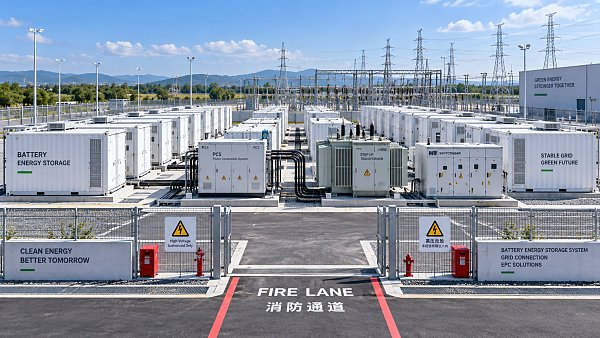
For urban deployment, their advantages are strongest where the site can provide appropriate separation distances, a dedicated equipment yard, emergency access, and a clear route for replacement or removal. Substations, logistics parks, transit facilities, industrial estates, and standalone charging hubs are often better candidates than highly constrained central-city parcels.
The limitation is obvious: containers take space. A project may fit physically on a site while still failing to meet practical requirements for clearance, fire-service access, noise control, drainage, security, or neighboring-property protection.
Building-integrated or indoor battery rooms
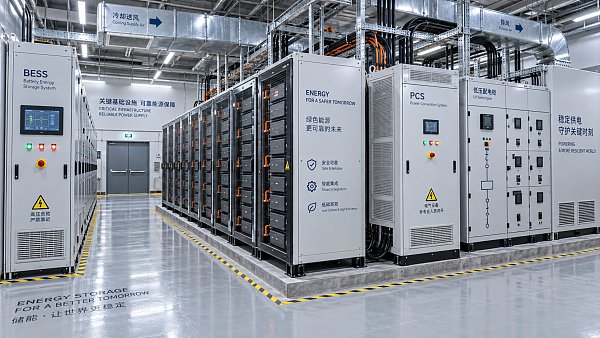
Indoor storage can reduce visible land use and may be necessary where outdoor space is unavailable. Yet it usually creates a more demanding safety and permitting process. The battery room becomes part of the building fire strategy, ventilation arrangement, structural design, electrical protection scheme, and evacuation planning.
This approach can be appropriate for selected facilities with critical loads, such as certain healthcare, data, manufacturing, or public-service applications. It is not automatically preferable simply because it protects equipment from weather or appears more compact. In densely occupied buildings, the consequences of poor compartmentation, inadequate exhaust design, or limited emergency access can be substantial.
Cabinet-based distributed storage
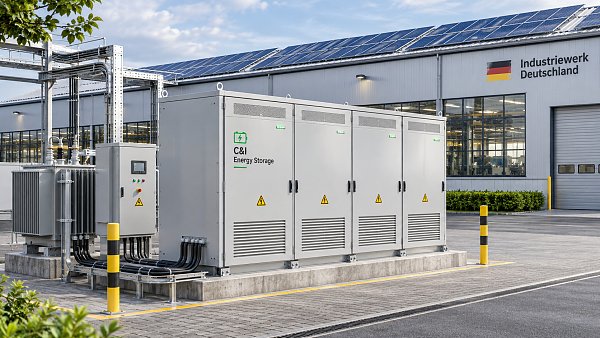
Smaller battery cabinets can suit distributed commercial applications, particularly where storage is intended for peak shaving, solar self-consumption, or limited backup capability. Their modularity may help projects fit around existing site constraints.
But smaller equipment does not mean negligible risk. Multiple cabinets distributed around a site can create a fragmented maintenance burden and make it harder to preserve consistent safety controls. Procurement teams should assess the total installed energy, not merely the rating of an individual cabinet.
Non-lithium or alternative storage technologies
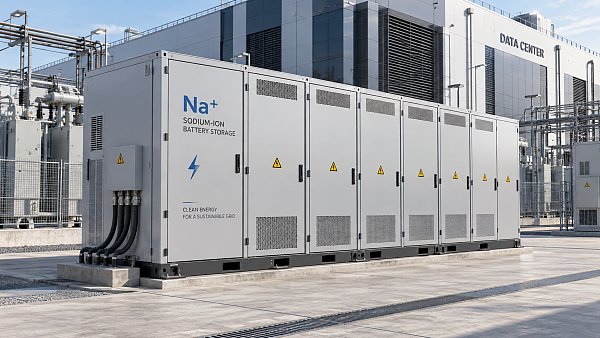
Lithium-ion systems remain widely used because of their performance, supply availability, and mature integration ecosystem. Still, urban planners should not assume every project must use the same chemistry. Sodium-ion, flow batteries, and other technologies may offer different safety, duration, footprint, operating-temperature, or supply-chain characteristics.
There is no universally safer chemistry in every real-world deployment. Alternatives can introduce different engineering requirements, including larger footprints, different containment needs, lower energy density, or less established service networks. The right comparison is between complete project risks and benefits, rather than a simple chemistry label.
Standards Help, but Certification Is Not the Entire Safety Case
Standards and test evidence are essential in battery procurement, particularly for systems located near people or critical assets. Depending on the market, project teams may review certifications and test information associated with system-level equipment, battery modules, fire behavior, grid connection, electrical installation, and emergency planning. In some jurisdictions, references to UL 9540, UL 9540A, NFPA 855, IEC requirements, local fire codes, or utility specifications may be relevant. Their applicability must be verified against the local authority having jurisdiction.
What matters is not collecting a stack of certificates after the design is complete. It is using documented test results and applicable codes to inform the design early enough to affect layout, spacing, ventilation, suppression strategy, construction materials, and operational controls.
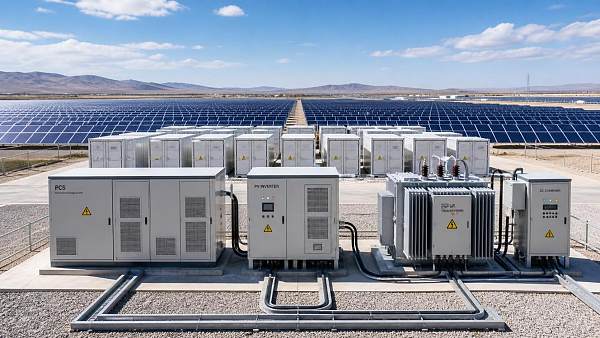
A system-level certification is generally more informative than isolated component certifications, because a battery storage system is an integrated assembly. Cells, modules, racks, the battery management system, cooling equipment, power conversion system, controls, enclosure, and safety equipment must work together under normal and fault conditions.
Even then, project-specific questions remain. Was the tested configuration materially similar to the proposed one? Are the container layout, cell format, capacity, cooling arrangement, and fire mitigation design unchanged? Has the system been modified for local climate, transport, or grid requirements? A certificate should support due diligence, not replace it.
The Procurement Questions That Reveal Real Safety Maturity
Many procurement documents focus heavily on energy capacity, power rating, round-trip efficiency, warranty years, and price per kilowatt-hour. Those items matter, but they do not reveal whether a supplier can safely support a dense urban installation over its operating life.
Project owners should ask for evidence that makes the supplier’s safety claims testable:
- What cell chemistry, cell supplier, rack configuration, and thermal-management design are proposed?
- What abnormal conditions are detected, at what level, and what automatic actions follow each alarm?
- How does the system prevent or slow thermal propagation between cells, modules, racks, and containers?
- What gases or fire signatures can be detected, and how are alarms communicated to site operators?
- What emergency stop, electrical isolation, and remote shutdown functions are available during a grid event or fire incident?
- What third-party test reports apply to the exact system configuration or a technically comparable configuration?
- What maintenance activities are required for cooling, detection, suppression, controls, and battery health monitoring?
- Who is responsible for monitoring alarms outside normal working hours, and what response time is contractually supported?
- How are end-of-life removal, damaged-unit handling, and battery recycling managed?
A supplier that responds only with brochure-level statements about “advanced safety” or “multi-level protection” has not yet provided enough information for an urban project decision. The buyer needs operating logic, documentation, test context, maintenance obligations, and clear responsibility boundaries.
Thermal Management Is an Asset-Performance Issue as Well as a Safety Issue
In hot, cold, humid, polluted, or highly variable urban environments, thermal management affects far more than battery safety. It affects battery degradation, usable capacity, auxiliary power consumption, availability, warranty compliance, and revenue forecasts.
A container placed beside a heat-reflective wall, under direct afternoon sun, near industrial exhaust, or in a flood-prone low point may face conditions very different from a supplier’s baseline assumptions. Cooling equipment also becomes a maintenance dependency. If filters clog, refrigerant systems degrade, fans fail, or control sensors drift, the battery may continue operating outside its intended thermal envelope.
This is why site-specific climate analysis should be part of technical due diligence. Teams should examine peak ambient temperatures, solar exposure, dust, salt or corrosive air, drainage, flood exposure, wind loads, and acoustic limits. In a city, cooling noise can become a permitting and community-relations issue even when the battery system itself meets electrical requirements.
Fire Response Must Be Planned Before the Permit Is Submitted
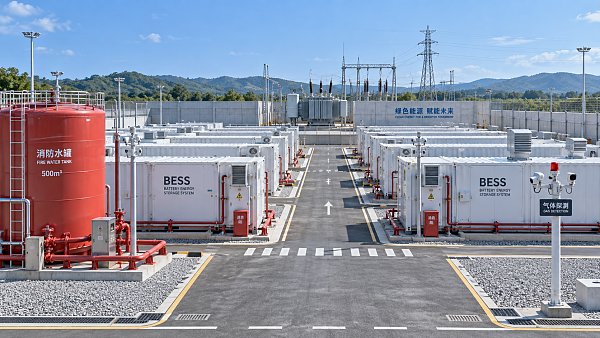
Urban battery projects should involve local fire authorities and emergency planners early, not after equipment has been ordered. First responders need to understand the system’s location, access points, disconnects, energized components, battery chemistry, potential hazards, water supply assumptions, ventilation behavior, and communication channels.
There is no single emergency response model for every battery system. Site plans should account for whether responders would isolate the system, allow a controlled burn under specified conditions, apply cooling water to limit propagation, protect adjacent exposures, or take other actions defined by local protocols and manufacturer guidance. The right approach depends on the installation and local authority requirements.
For operators, the practical work includes signage, updated single-line diagrams, accessible emergency contacts, incident drills, remote monitoring procedures, and clear escalation paths. These are not administrative extras. They determine whether a technical incident remains contained or becomes a wider operational failure.
When an Urban Container Project Is a Good Fit
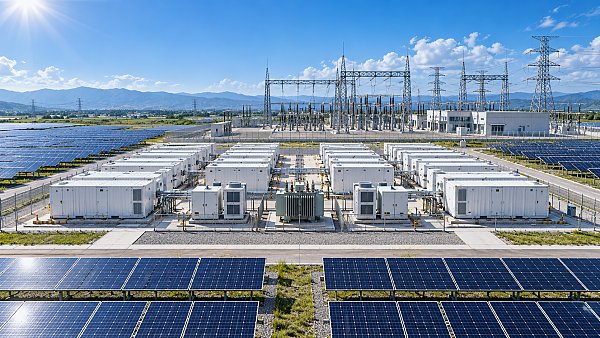
Containerized storage is generally more defensible in urban areas when the project has a defined grid or customer need, sufficient external space, controlled site access, robust interconnection design, and a long-term operating model. Examples include a depot that needs managed charging and demand control, a commercial campus facing high peak charges, a constrained distribution node requiring localized flexibility, or a resilience project supporting essential services.
The case becomes weaker when storage is being proposed mainly because it is fashionable, because an unused corner of land appears available, or because a developer expects the container to solve a building-power problem without upgrading protection, controls, and site operations.
Urban deployment is also less suitable when the project cannot provide credible access for maintenance and emergency response, when adjacent occupancy creates unacceptable exposure, or when the owner lacks the capacity to monitor and maintain the system after commissioning. A low upfront price does not offset an unworkable operating model.
The Decision Is Moving From “Can We Install It?” to “Can We Operate It Responsibly?”
As cities electrify transport, add distributed solar, and manage increasingly constrained grids, battery storage will become more visible in the built environment. That makes public confidence, permitting quality, insurance scrutiny, and lifecycle accountability as important as the battery’s headline capacity.
For developers, EPC contractors, utilities, and commercial energy users, the most useful next step is a site-specific safety review that brings together electrical engineers, fire specialists, civil designers, insurers, operators, and local authorities before the procurement decision is locked in. The best urban storage projects are not those with the smallest footprint on a layout drawing. They are the ones whose technical, operational, and emergency assumptions remain credible after the container arrives on site.
Questions about market trends? Contact Market Scope Live for deeper business insights.
We respect your privacy. Your information is strictly confidential.
Related News
 Energy Storage Systems / BESSNYSERDA Opens Second 2026 Bulk Storage Solicitation Targeting 1 GWNYSERDA’s second 2026 bulk energy storage solicitation targets 1 GW. Explore the opportunity for developers, investors and New York’s grid.MORE+
 Energy Storage Systems / BESSCroatia’s First Transmission-Connected Standalone Battery Project Enters OperationCroatia’s first transmission-connected standalone battery project is operational. Discover how the 60 MW Šibenik facility could support grid flexibility.MORE+
 Energy Storage Systems / BESSAustralia's NEM Battery Storage Hits Record 20.17 GWh, Up 203% Year on YearAustralia's NEM battery storage reportedly hits 20.17 GWh, up 203% year on year. Explore what the record could mean for grid-scale projects and procurement.MORE+
 Energy Storage Systems / BESSC&I Energy Storage in Germany: What Drives Project ROI?C&I energy storage in Germany: discover what drives project ROI, from peak shaving and solar savings to costs, tariffs and smarter battery sizing.MORE+
 Energy Storage Systems / BESSChoosing Energy Storage Containers: Capacity, Power and Safety CriteriaCompare energy storage containers by usable capacity, power, safety and grid integration. Learn what to ask suppliers before choosing a system.MORE+
 Energy Storage Systems / BESSNeoen, Frontier Energy and Lightyears Secure Funding for Renewable ProjectsNeoen, Frontier Energy and Lightyears secure renewable energy financing. Explore what the funding means for solar, wind and battery storage projects.MORE+
 Energy Storage Systems / BESSChoosing a Battery Energy Storage Container Manufacturer: Key Supplier ChecksChoosing a battery energy storage containers manufacturer? Learn how to assess safety, integration, warranties and total costs before you buy.MORE+
 Energy Storage Systems / BESSCATL Introduces Grid Connection and Financing Commitments in AustraliaCATL introduces energy storage with 25-year grid connection and financing commitments in Australia. Explore what the proposed model means for projects.MORE+
 Energy Storage Systems / BESSPortugal Mandates Grid-Forming Capability for Large Storage and Launches 1 GW TenderPortugal grid-forming rules target large standalone energy storage projects as a 1 GW tender launches. Explore the implications for developers and suppliers.MORE+
 Energy Storage Systems / BESSAdding Battery Storage to Rooftop Solar: When to Use AC vs. DC CouplingExplore rooftop solar storage integration: compare AC vs. DC coupling, inverter compatibility, backup power, and lifecycle costs to choose the right battery setup.MORE+
 Energy Storage Systems / BESSHeron Power and NiSource Announce US Data Center Deals Involving BESSHeron Power and NiSource announce US data center deals involving BESS. Explore how transformer integration and long-term power supply are shaping data center energy plans.MORE+
 Energy Storage Systems / BESSPeak Energy Raises $108 Million as GM Ventures Leads Sodium-Ion Storage RoundPeak Energy raises $108 million in a GM Ventures-led round to scale sodium-ion storage for grids and AI data centers. Explore what buyers should assess before committing.MORE+
 Energy Storage Systems / BESSRondo Energy and Rio Tinto Begin Design of Australia's Largest Thermal Storage ProjectRondo Energy and Rio Tinto begin design of a 30 MW/360 MWh thermal storage project at Yarwun. Explore its potential for industrial decarbonization and future procurement.MORE+
 Energy Storage Systems / BESSCATL Nine-Month Net Profit Rises 31.6% as Energy Storage Emerges as a Growth DriverCATL’s reported nine-month net profit rose 31.6% as energy storage gains momentum. Explore what this shift could mean for battery buyers, overseas orders and procurement planning.MORE+
 Energy Storage Systems / BESSScalable Power Solutions for Commercial Facilities with Uneven Site DemandScalable power solutions for multi-site commercial facilities: optimize uneven demand, resilience, storage, solar, and controls with a repeatable portfolio strategy.MORE+
 Energy Storage Systems / BESSWhen Do Commercial Property Owners Face Peak Demand for On-Site Energy?Commercial property owners peak demand often occurs when HVAC, occupancy, EV charging, and equipment loads coincide. Discover practical strategies to manage costs, capacity, and on-site energy resilience.MORE+
 Energy Storage Systems / BESSWhen Does a Containerized Hybrid Solar-Storage System Make Sense for Remote Sites?containerized hybrid solar storage for remote sites: discover when it cuts diesel costs, improves reliability, and simplifies deployment with smarter sizing and design.MORE+
 Energy Storage Systems / BESSHow to Specify Steel Battery Enclosures for Outdoor BESS Fire and Corrosion RisksSteel battery enclosures: learn how to specify corrosion protection, fire-ready interfaces, drainage, and durable outdoor BESS performance.MORE+
 Energy Storage Systems / BESSBattery Energy Storage Cost: What Drives $/kWh and Project ROI?Battery energy storage cost explained: compare usable $/kWh, system scope, grid connection, warranty, and lifecycle factors to build a stronger storage ROI.MORE+
 Energy Storage Systems / BESSWhat Drives BESS Fire Protection Costs in Utility-Scale Storage Projects?Energy storage fire protection cost drivers explained: compare BESS safety systems, site design, compliance, and integration to budget smarter.MORE+
 Energy Storage Systems / BESSHow to Size Grid-Scale Energy Storage for Peak Shaving and Renewable FirmingGrid scale energy storage sizing guide for peak shaving and renewable firming—learn how to model MW, MWh, dispatch, degradation, and grid limits.MORE+
 Energy Storage Systems / BESSWhat Drives Battery Energy Management System Costs in BESS Projects?Battery energy management systems cost depends on controls, integration, grid compliance, cybersecurity, and lifecycle support. Learn how to evaluate BESS EMS proposals wisely.MORE+
 Energy Storage Systems / BESSHow to Size a Commercial Microgrid Battery System for Peak Shaving and Backup PowerCommercial microgrid battery system sizing guide for peak shaving and backup power—optimize kW, kWh, reserve SOC, controls, and resilience.MORE+
 Energy Storage Systems / BESSHow to Select a Battery Storage EPC Partner for Utility-Scale Projects in EuropeBattery storage EPC Europe: choose the right utility-scale partner with proven grid expertise, safety leadership, supply-chain control, and reliable commissioning.MORE+
 Energy Storage Systems / BESSHow to Evaluate a Stationary Battery Storage Manufacturer for Critical Backup PowerStationary battery storage manufacturer evaluation guide: compare safety, usable capacity, integration, warranties, lifecycle cost, and service support for reliable critical backup power.MORE+
 Energy Storage Systems / BESSDo Utilities Prefer Centralized or Distributed Energy Storage Models?Do utility companies prefer centralized or distributed energy storage models? Explore how grid constraints, costs, resilience, and control shape the best storage strategy.MORE+
 Energy Storage Systems / BESSWhat Fire Safety Requirements Apply to Containerized Battery Storage?What are the fire safety requirements for containerized battery storage systems? Explore codes, detection, suppression, ventilation, shutdown, and site design essentials.MORE+
 Energy Storage Systems / BESSIs EPEM Useful for Benchmarking Energy Storage Project Performance?Is EPEM useful for benchmarking energy storage project performance data? Explore how it helps normalize efficiency, availability, degradation, dispatch, and lifecycle risks.MORE+
 Energy Storage Systems / BESSBehind-the-Meter Energy Systems for Industrial Parks: Sizing Solar, Storage, and LoadsBehind the meter energy systems for industrial parks: learn how to size solar, storage, and loads for lower costs, resilient operations, and scalable growth.MORE+
 Energy Storage Systems / BESSAerosol Fire Protection for Energy Storage: Key Design Factors for BESS SafetyAerosol fire protection for energy storage: explore key BESS design factors for detection, ventilation, thermal runaway risk, and safer system integration.MORE+
 Energy Storage Systems / BESSHow to Size Solar Backup Energy Systems for Critical Commercial LoadsBackup energy systems with solar: learn how to size critical commercial loads, balance battery power and runtime, and build resilient operations.MORE+
 Energy Storage Systems / BESSWhat Criteria Should You Use to Shortlist Battery Storage EPC Contractors?What criteria should be used to shortlist battery storage EPC contractors? Explore essential checks for engineering, safety, grid integration, delivery, and lifecycle value.MORE+
 Energy Storage Systems / BESSCan Battery Storage Be Added to Existing Solar Farms Without Replacing Inverters?Can battery storage be integrated into existing solar farms without replacing inverters? Explore AC-coupled retrofits, grid limits, controls, costs, and value.MORE+
 Energy Storage Systems / BESSAre Containerized Battery Storage Systems Safe for Urban Deployment?Are containerized battery storage systems safe for urban deployment? Explore key safety factors, fire planning, standards, and site design for reliable urban BESS projects.MORE+
 Energy Storage Systems / BESSSodium-Ion vs Lithium-Ion: Which Is Better for Long-Duration Storage?Is sodium-ion battery better than lithium-ion for long duration storage? Explore cost, safety, energy density, warranties, and the best fit for your storage project.MORE+
 Energy Storage Systems / BESSHow to Size Grid-Scale Battery Energy Storage for Peak Shaving and Grid SupportGrid scale battery energy storage sizing made practical: learn how to match MW, MWh, dispatch, degradation, and grid constraints for reliable peak shaving and grid support.MORE+
 Energy Storage Systems / BESSHow to Integrate Solar and Battery Storage for Reliable Commercial Power ProjectsSolar storage project integration for commercial sites: learn to align load analysis, battery sizing, controls, safety, and grid compliance for reliable power.MORE+
 Energy Storage Systems / BESSHow Does Battery Thermal Management Affect Charger Uptime in Hot Climates?How does battery thermal management affect charger uptime in hot climates? Explore cooling strategies that reduce derating, protect assets, and keep EV charging reliable.MORE+
 Energy Storage Systems / BESSAre Sodium-Ion Batteries Ready for Commercial Charging Storage in 2026?Are sodium-ion batteries ready for commercial charging station storage in 2026? Explore costs, safety, footprint trade-offs, and project-fit insights.MORE+
 Energy Storage Systems / BESSHow to Size Energy Storage Containers for Reliable Microgrid PerformanceEnergy storage containers for microgrids: learn how to size capacity, power, backup duration, and reserve margins to improve reliability, cut costs, and support smarter project decisions.MORE+