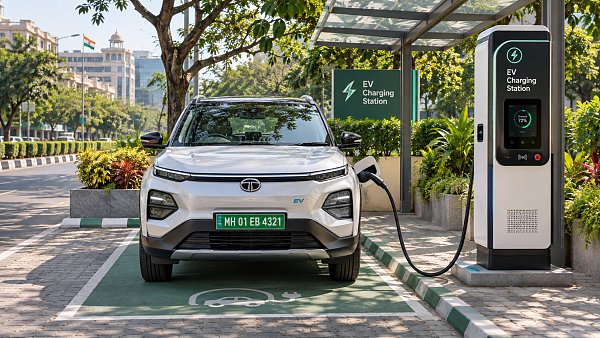
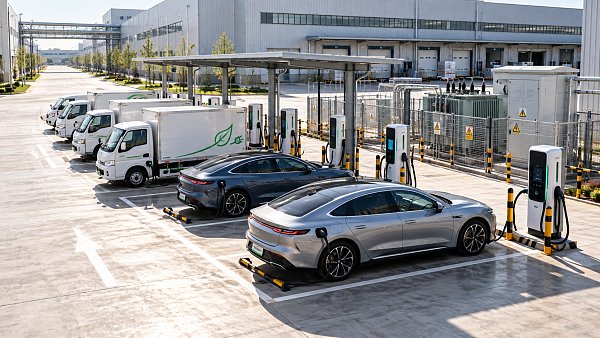
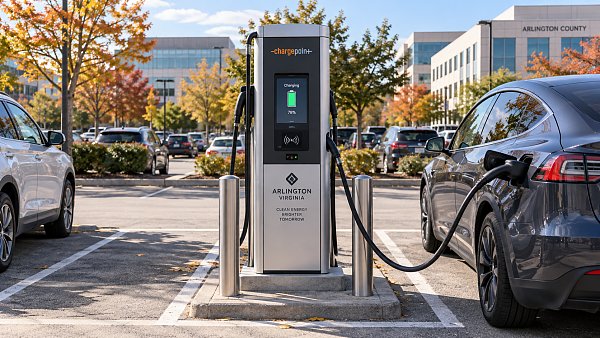
Public Charging Network Infrastructure: Site Selection, Grid Capacity, and ROI Basics
Why is public charging network infrastructure now treated as an energy asset?
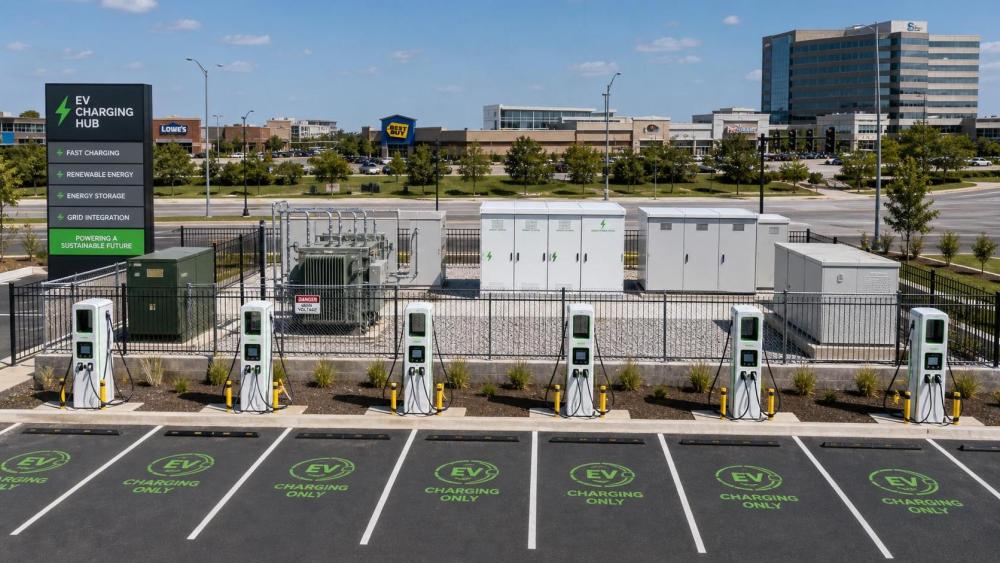
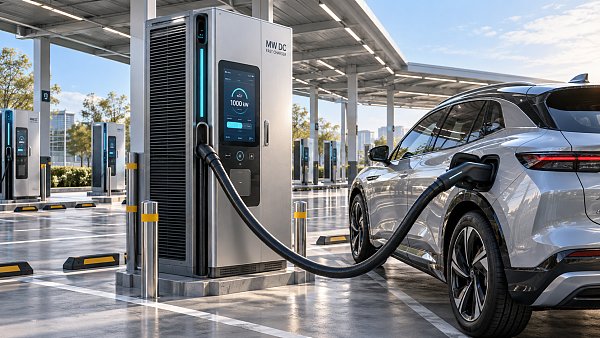
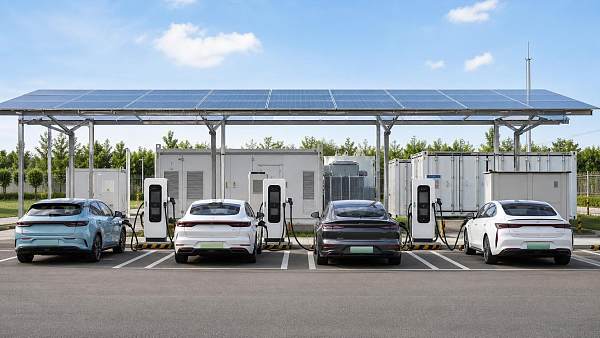
Public charging network infrastructure used to be viewed as a transport convenience. That view is now too narrow for serious investment decisions.
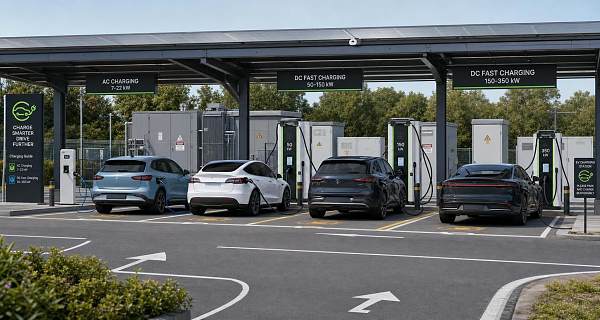
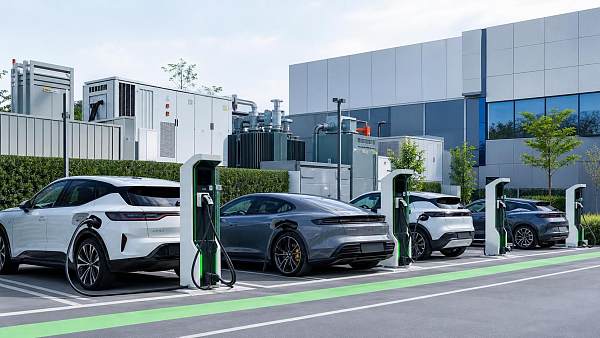
A charging site affects power demand, local grid conditions, land use, customer traffic, digital payment flows, and long-term asset utilization.
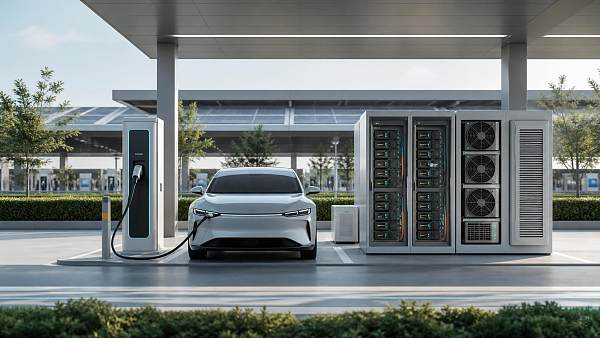
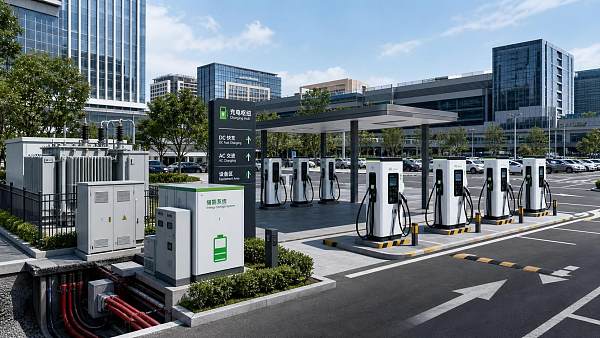
In practical terms, a charging hub behaves more like distributed energy infrastructure than a simple roadside service point.
That is why site selection, grid capacity, and ROI should be assessed together. A strong location can still underperform if power delivery is constrained.
The reverse is also common. A site with available power may struggle if dwell time, vehicle mix, or traffic capture is weak.
Platforms such as EPEM often frame EV charging within the wider shift toward flexible, digital, low-carbon power systems.
That broader lens matters because public charging network infrastructure increasingly interacts with storage, smart controls, tariffs, and grid modernization programs.
What separates a promising charging location from an expensive mistake?
The best site is rarely the busiest site on paper. It is the one where traffic, charging behavior, power access, and commercial terms align.
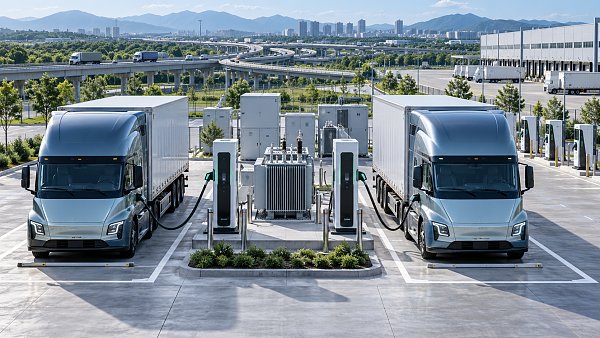
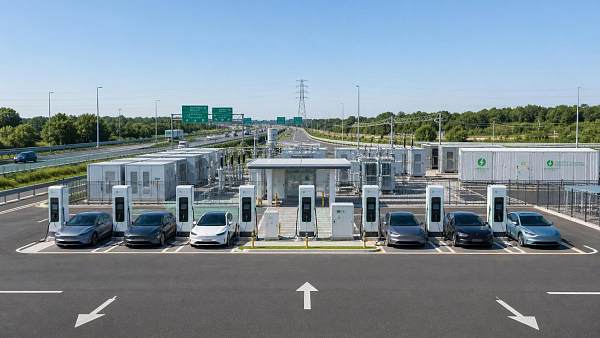
For highway corridors, visibility, ingress, safety, and restroom or retail proximity often matter as much as headline traffic counts.
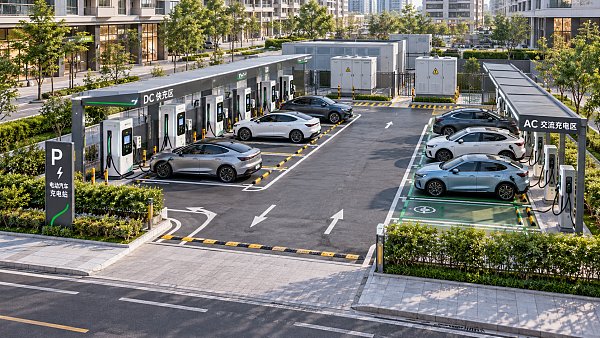
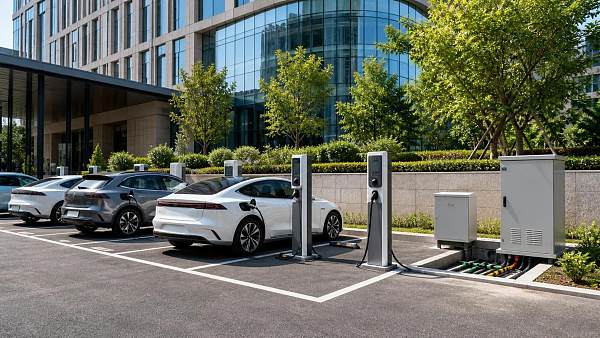
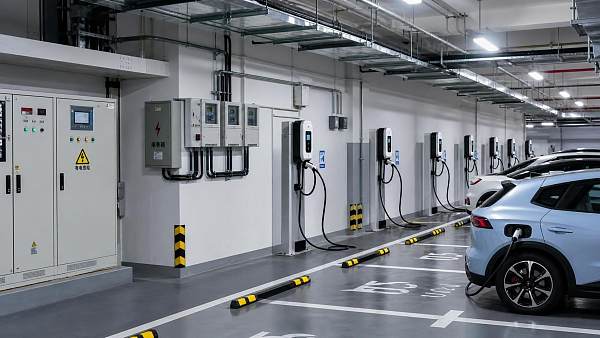
For urban public charging network infrastructure, repeatability usually matters more. Drivers need reliable access, clear signage, and predictable occupancy patterns.
A useful early screen is to ask four questions before detailed design begins.
- Is there proven vehicle flow, not just general footfall?
- Does the site support the intended charger mix and future expansion?
- Can users access the site easily at peak periods?
- Are lease terms compatible with payback timing?
Many projects fail because one of these basics is weak. Short leases and difficult access can destroy value even when utilization forecasts look attractive.
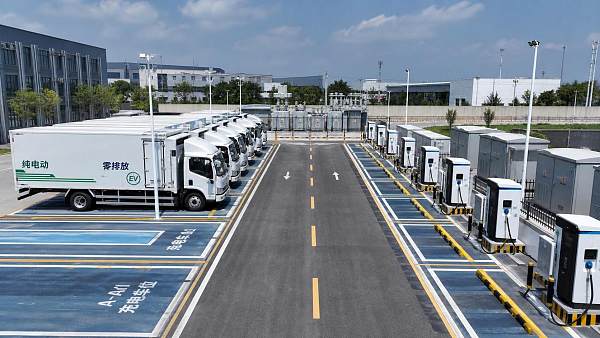
It also helps to map nearby fleet depots, logistics routes, commercial real estate, and residential density. Demand is rarely created by traffic alone.
A quick site screening table
Before committing capital, a simple comparison table can expose gaps that a high-level feasibility note may miss.
How much grid capacity is really needed before procurement starts?
This is where many public charging network infrastructure plans become unrealistic. Nameplate charger power is not the same as usable grid requirement.
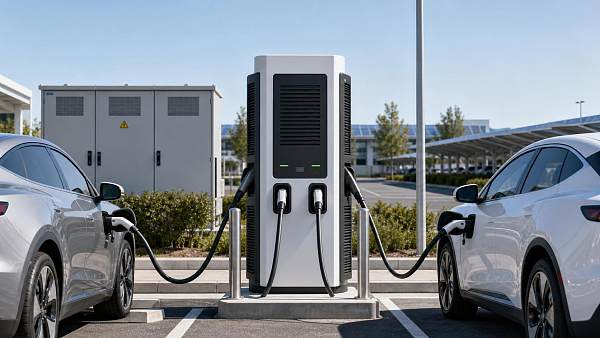
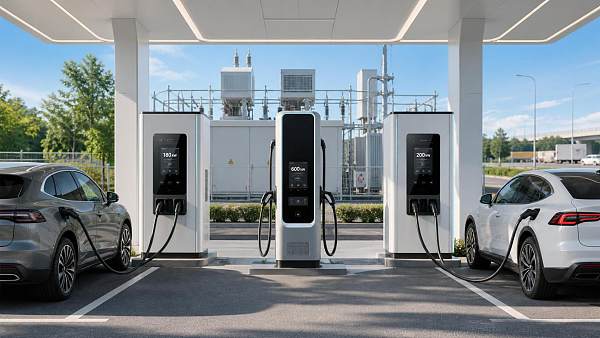
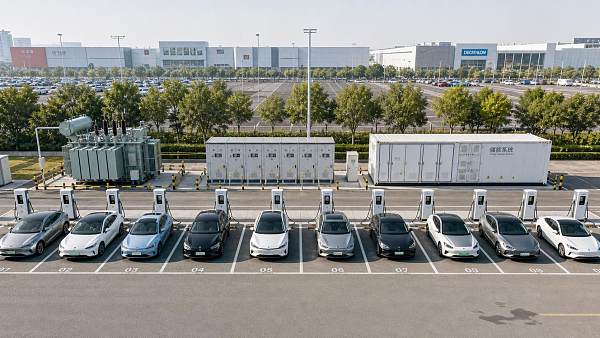
A site with four 180 kW chargers does not automatically require 720 kW of firm imported capacity, but it may need close to that under certain use cases.
The right answer depends on simultaneity, charging behavior, local demand peaks, and whether dynamic load management is included.
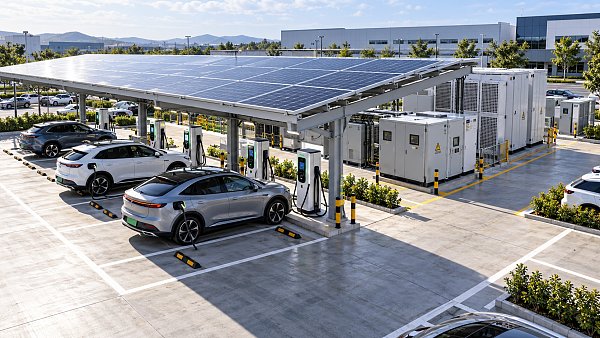
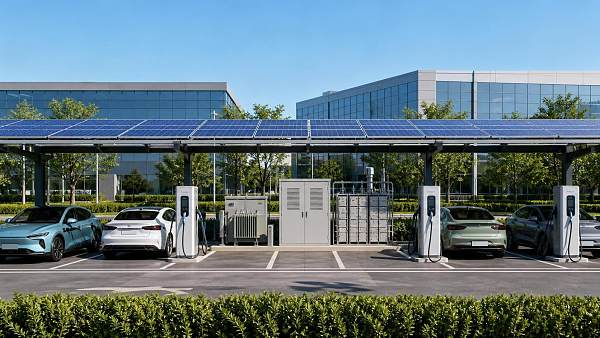
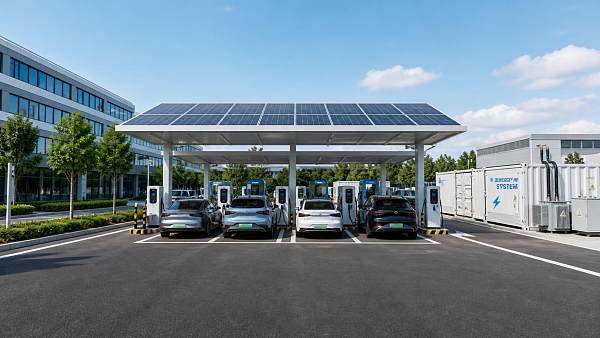
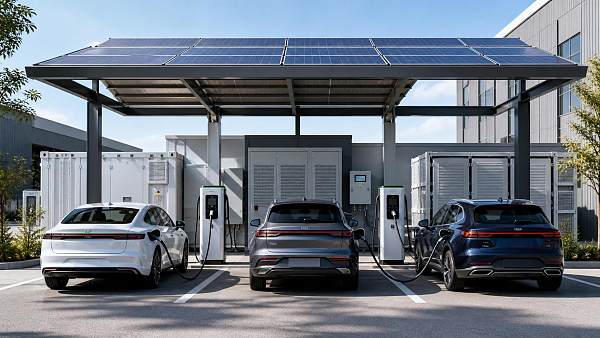
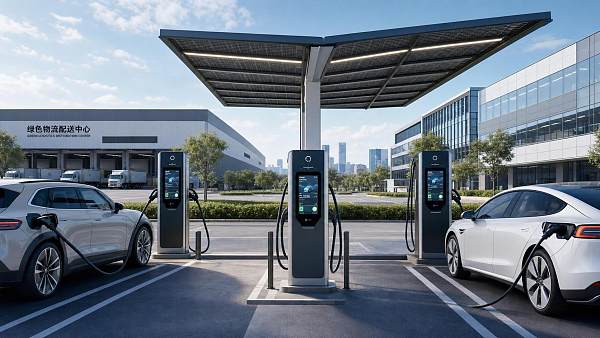
More advanced projects also assess battery storage, solar canopies, or managed charging to reduce peak demand charges and connection upgrades.
That approach fits the wider energy transition logic highlighted across EPEM coverage. Charging is increasingly linked with grid flexibility, not just hardware deployment.
A disciplined grid review usually covers these items.
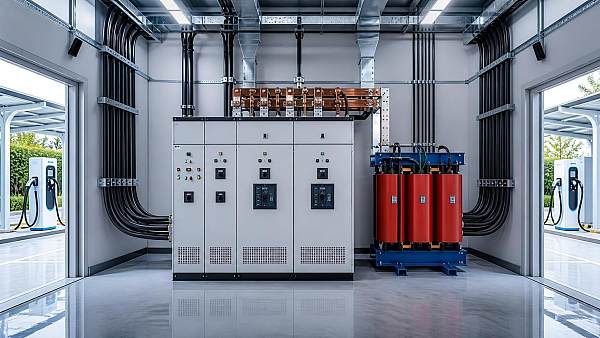
- Existing service voltage and transformer headroom
- Distribution network congestion and upgrade queue
- Demand charge structure and time-of-use tariff
- Future charger expansion path
- Potential role of on-site storage or energy management systems
In actual deployment, grid lead time often matters more than equipment lead time. A charger can be delivered faster than a utility upgrade.
That is why grid capacity should be validated before final vendor selection, not after commercial commitments are signed.
Where does ROI usually come from in public charging network infrastructure?
ROI is not driven by utilization alone. The stronger models combine charging revenue, ancillary retail value, tariff optimization, and manageable operating costs.
Some sites generate healthy sessions but still disappoint because demand charges, maintenance visits, and payment failures erode margin.
Others start slowly yet become attractive because they secure a strategic corridor position or support a broader real estate energy plan.
A grounded ROI model should include more than charger sales revenue.
- Connection and civil works cost
- Utility upgrade timing and fee uncertainty
- Hardware uptime assumptions
- Software, network, and payment platform fees
- Operations, field service, and spare parts
- Charging price elasticity in the local market
- Expansion cost for additional bays or higher power modules
In many cases, the financially resilient project is not the cheapest build. It is the one with lower interruption risk and better long-term utilization.
That distinction matters when comparing AC charging, DC fast charging, and ultra-fast charging in mixed-use portfolios.
A practical way to read payback risk
Instead of asking for one payback number, test three scenarios. Use conservative, expected, and upside utilization cases.
Then stress-test each scenario against power price volatility, downtime, and delayed grid energization. That usually reveals the real investment profile.
What mistakes appear most often during technology and vendor selection?
A common mistake is buying charger power that the site cannot support economically. Another is selecting software and hardware that do not scale together.
Public charging network infrastructure performs best when hardware, controls, grid interface, billing, and maintenance are reviewed as one system.
The selection process should go beyond brochure specifications. Ask how the system behaves during partial outages, communication failures, and peak queue periods.
It is also worth checking whether the vendor can support future grid integration features such as load balancing, storage coupling, or vehicle-to-grid readiness.
This system-level view reflects a wider market reality. Charging assets increasingly sit inside digital energy platforms, not isolated equipment silos.
- Confirm protocol compatibility and remote monitoring depth
- Review uptime guarantees and spare parts strategy
- Check maintenance response time by region
- Evaluate modular expansion rather than one-time oversizing
- Match charger type to actual dwell time and user behavior
In short, the right vendor choice is usually the one that preserves operational flexibility while keeping power economics under control.
How should the next decision step be structured?
A useful next step is to organize the project around decisions, not around equipment alone. That changes the quality of early planning.
Start by ranking candidate sites using traffic quality, lease security, and realistic grid access. Then test charger formats against user behavior.
After that, build an ROI model that includes utility timelines, demand charges, uptime risk, and expansion options.
For more complex portfolios, it helps to compare charging with related energy assets such as battery storage, rooftop solar, or smart load controls.
That integrated view is becoming more important across modern power infrastructure, especially where electrification and grid constraints are rising together.
Public charging network infrastructure works best when it is planned as part of a broader energy and asset strategy.
The practical takeaway is clear. Validate location demand, confirm grid capacity early, and treat ROI as an operational model, not a simple sales forecast.
That sequence creates a better basis for comparing options, reducing delays, and building charging networks that remain commercially useful over time.
Questions about market trends? Contact Market Scope Live for deeper business insights.
We respect your privacy. Your information is strictly confidential.
Related News
 EV Charging InfrastructureIndian Minister Proposes Lower EV Charging Rates to Encourage AdoptionIndia EV charging rates could fall in Maharashtra under Nitin Gadkari’s proposal. Explore the potential impact on drivers, fleets and charging operators.MORE+
 EV Charging InfrastructureEV Charging for Industrial Parks: Sizing Capacity and Managing Peak LoadsPlan industrial parks EV charging with confidence. Learn how to size capacity, manage peak loads, reduce demand costs, and keep fleets ready without disrupting production.MORE+
 EV Charging InfrastructureArlington County, Virginia, to Raise Public EV Charging Rates by 72%Arlington County public EV charging rates will rise 72% to $0.30/kWh on November 1, 2026. Explore the potential impact on fleet budgets and how businesses can prepare.MORE+
 EV Charging InfrastructurePlanning Solar EV Charging Hubs: Sizing PV, Battery Storage, and Grid CapacityPlan solar EV charging hubs with confidence. Learn how to size PV, battery storage, and grid capacity to meet peak demand, control costs, and support reliable charging.MORE+
 EV Charging InfrastructureChery Unveils 1.44 MW Charging System, Claims 500 km of Range in Five MinutesChery’s 1.44 MW charging system claims 500 km of range in five minutes. Explore its ultrafast EV charging technology, vehicle compatibility and global rollout plans.MORE+
 EV Charging InfrastructureComparing EV Charging Equipment Manufacturers: Warranty, Lead Times, and SupportCompare EV charging equipment manufacturers on warranty coverage, lead times, and support. Discover how to reduce downtime, uncover hidden costs, and choose the right supplier.MORE+
 EV Charging InfrastructurePlanning Urban EV Charging Hubs: Site Selection, Power Needs, and Charger MixPlan urban EV charging hubs with confidence. Discover how to select sites, size power capacity, and balance AC/DC chargers to control costs and deliver reliable charging.MORE+
 EV Charging InfrastructureHow to Plan Charging Corridors for Fleet Routes, Grid Capacity, and Future DemandCharging corridor infrastructure planning helps fleets align routes, grid capacity, reliable charging, and scalable site design for future demand.MORE+
 EV Charging InfrastructureHow to Size Fast EV Charging Equipment for Fleet Depots Without OverbuildingFast EV charging equipment for fleet depots: learn how to match power, charging windows, grid capacity, and smart controls without costly overbuilding.MORE+
 EV Charging InfrastructureHow to Plan EV Charging Infrastructure in Indonesia for Fleet and Public SitesCharging infrastructure planning in Indonesia for fleet and public sites: optimize energy, grid capacity, smart load management, safety, and scalable EV charging.MORE+
 EV Charging InfrastructureHow to Size DC EV Charging Equipment for Fleet Depots and Peak DemandDC EV charging equipment sizing guide for fleet depots: balance energy demand, peak loads, utility limits, smart charging, and scalable growth.MORE+
 EV Charging InfrastructureAre EV Charger Payment Systems Interoperable Across Regions?Are there interoperability standards for EV charger payment systems across regions? Explore OCPP, OCPI, Plug & Charge, roaming, and payment strategies for seamless EV charging.MORE+
 EV Charging InfrastructureHow to Evaluate Total Cost of Ownership for a Fleet DC Charging DepotHow to evaluate total cost of ownership for a fleet DC charging depot: compare grid costs, tariffs, uptime, smart charging, and scalable infrastructure.MORE+
 EV Charging InfrastructurePublic Charging Infrastructure Planning: Site Criteria, Grid Capacity, and UtilizationPublic charging infrastructure planning made practical: evaluate site access, grid capacity, utilization, and scalable design to build reliable, investable EV charging hubs.MORE+
 EV Charging InfrastructureHow Behind-the-Meter Energy Systems for EV Charging Cut Peak-Demand CostsBehind the meter energy systems for EV charging help cut peak-demand costs, defer grid upgrades, and improve charging reliability with storage and smart controls.MORE+
 EV Charging InfrastructureIs Building a Public EV Charging Network in Rural Areas Financially Viable?Is it financially viable to build public charging networks in rural areas? Explore grid costs, utilization, funding, AC/DC choices, and strategies for profitable rural EV charging.MORE+
 EV Charging InfrastructureHow Public EV Charging Load Management Prevents Peak Demand and Grid Overloadspublic EV charging load management prevents costly peak demand and grid overloads. Explore smarter controls, capacity planning, and scalable charging performance.MORE+
 EV Charging InfrastructureHow to Assess Long-Term EV Charger Reliability Before ProcurementHow to evaluate long-term reliability of EV chargers before procurement? Explore practical checks for uptime, grid compatibility, software stability, service support, and lifecycle costs.MORE+
 EV Charging InfrastructureIs AC Charging Still Worth Investing in for New Public Stations in 2026?Is AC charging still worth investing in for new public stations in 2026? Explore where smart, managed AC charging delivers value, revenue, and scalable EV infrastructure.MORE+
 EV Charging InfrastructureHow to Plan Power Capacity for Highway EV Charging CorridorsHighway charging corridor power capacity planning: learn how to size grid connections, manage peak demand, use storage, and phase EV hubs for reliable, scalable growth.MORE+
 EV Charging InfrastructureWhat Is the Typical BMS Failure Rate in EV Charging Equipment?Battery management system failure rate in charging equipment: learn what BMS faults mean, key risks, and how to protect EV charger uptime.MORE+
 EV Charging InfrastructureHow Should Fleet Depot Charging Stations Be Laid Out?Fleet depot charging station layout design guidelines for safer vehicle flow, smart power use, scalable infrastructure, and reliable fleet readiness. Explore practical planning tips.MORE+
 EV Charging InfrastructureDC Fast Chargers vs Liquid-Cooled Ultra-Fast Chargers in 2026DC fast charger vs liquid-cooled ultra-fast charging stations 2026: compare power, costs, grid demands, uptime, and ideal deployment scenarios for smarter EV infrastructure.MORE+
 EV Charging InfrastructureWhat Does the Global EcoPower Charging Intelligence Platform Do?Global EcoPower EV charging infrastructure intelligence platform delivers actionable insights on grid capacity, storage, technology, risk, and profitable charging project planning.MORE+
 EV Charging InfrastructureHow Global EcoPower Manages Energy Across EV Charging NetworksGlobal EcoPower energy management systems for charging networks optimize EV charging with dynamic load control, storage, solar integration, and reliable data insights.MORE+
 EV Charging InfrastructureWhat Switchgear Specifications Are Needed for a 500 kW Charging Site?What switchgear specifications are required for a 500kW charging installation? Explore load sizing, transformer selection, fault ratings, protection, and expansion planning.MORE+
 EV Charging InfrastructureWhich Communication Protocols Matter When Mixing Charger Brands?What communication protocols matter most when mixing charger brands at one station? Explore OCPP, OCPI, ISO 15118, and energy controls for reliable interoperability.MORE+
 EV Charging InfrastructureWhat Grid Connection Capacity Does a 10-Bay Fast Charging Hub Need?What grid connection capacity is needed for a 10-bay fast charging hub? Explore demand, power sharing, batteries, and scalable planning for reliable EV charging.MORE+
 EV Charging InfrastructureHow to Plan EV Charging Systems for Apartments Without Overloading the Building?EV charging systems for apartments start with capacity, not charger count. Learn how to prevent overloads, use smart load management, and plan scalable charging that fits your building.MORE+
 EV Charging InfrastructureHow City Charging Infrastructure Planning Can Reduce Costs and Avoid Grid BottlenecksCharging infrastructure planning for cities helps cut costs, avoid grid bottlenecks, and speed EV rollout with smarter, scalable deployment.MORE+
 EV Charging InfrastructureEU Mandates EN 61851-23:2026 for EV ChargersEU Mandates EN 61851-23:2026 for EV Chargers: learn how the new EU rule impacts certification, customs clearance, and market access before October 2026.MORE+
 EV Charging InfrastructureITC Ruling Puts Chinese EV Chargers Under 337 PressureITC ruling on Chinese EV chargers puts Section 337 pressure on imports, compliance, and OEM supply chains. Learn how patent risks may impact U.S. customs, distributors, and EV charger sourcing.MORE+
 EV Charging InfrastructureHow EV Charging Technology Affects Charging Speed, Compatibility, and Site PlanningEV charging technology shapes real charging speed, vehicle compatibility, and site planning. Learn how to avoid costly design mistakes and build charging projects that perform.MORE+
 EV Charging InfrastructureUS Requires UL 1741 SA-2025 EVSE ModulesUS Requires UL 1741 SA-2025 EVSE Modules for imported DC fast chargers. Learn how V2G, FCC+UL testing, and firmware compliance will reshape US market access.MORE+
 EV Charging InfrastructureUSTR Opens Section 301 Review on China EV ChargersUSTR Opens Section 301 Review on China EV Chargers: learn how the 25% tariff review may affect import costs, customs compliance, and procurement timing across EV charging and BESS supply chains.MORE+
 EV Charging InfrastructureHow to Plan Fleet Charging Infrastructure for Logistics Depots and Delivery HubsFleet charging infrastructure for logistics starts with duty cycles, dwell time, and grid limits. Learn how to design depot and hub charging that cuts bottlenecks and supports scalable fleet electrification.MORE+
 EV Charging InfrastructureWhat Is Load Management in EV Charging and How Does It Reduce Peak Power Costs?Load management in EV charging helps control peak demand, lower grid upgrade pressure, and cut costly power spikes. Learn how smart power allocation improves site economics.MORE+
 EV Charging InfrastructureHow to Evaluate an EV Charging Software Platform for Multi-Site Charging OperationsEV charging software platform evaluation made practical: learn how to assess interoperability, load management, billing, security, and scalability for multi-site charging operations.MORE+
 EV Charging InfrastructureUSTR Opens 301 Review on China EV Charging GearUSTR opens a Section 301 review on China EV charging gear, putting tariffs, import costs, pricing, and inventory plans at risk. See what US importers and distributors should watch now.MORE+
 EV Charging InfrastructureEU Sets 17.1% Duty on Chinese EV ChargersEU Sets 17.1% Duty on Chinese EV Chargers: see how the new EU tariff affects EV charging equipment exports, customs costs, HS codes, and contract risks for suppliers.MORE+