How to Plan Fleet Charging Infrastructure for Logistics Depots and Delivery Hubs
How Depot Reality Changes Charging Design
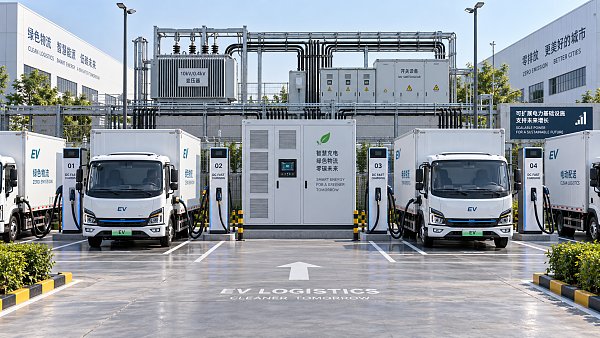
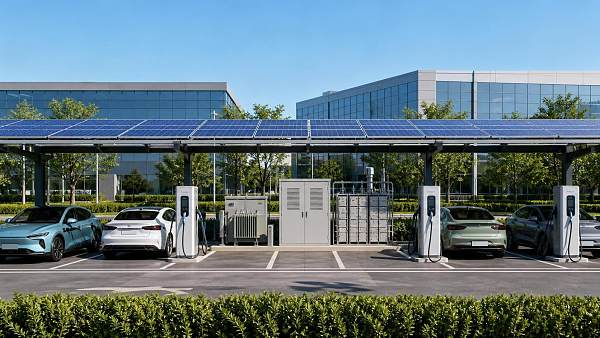
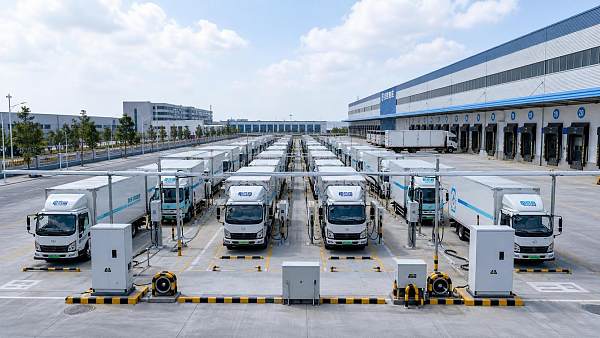
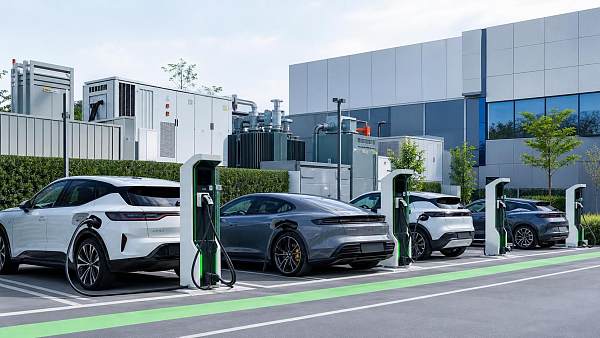
Planning fleet charging infrastructure for logistics depots and delivery hubs usually gets difficult at the point where transport planning meets electrical engineering. On paper, the requirement looks simple: a known number of vans or trucks, a parking area, and a target shift schedule. On site, the problem behaves differently. Vehicles do not arrive evenly. Dispatch priorities override ideal charging windows. Yard layouts were often built for diesel operations, not cable management and power distribution. And the grid connection that appears sufficient for a warehouse can become the main constraint once transport electrification starts moving from pilot scale to daily operation.
That is why fleet charging infrastructure for logistics cannot be planned around charger count alone. The better starting point is duty cycle. A last-mile parcel depot with predictable overnight dwell time needs a very different charging strategy from a cross-dock hub where vehicles turn around several times per day. Both are logistics sites. Their power profile, charger utilization, and operational risk are not remotely the same.
In most depot projects, three questions decide whether the design will remain workable after the first year: how long each vehicle actually stays parked, how much energy it must recover before the next departure, and how much electrical capacity the site can use without creating a new bottleneck elsewhere in the facility. If those three are not reconciled early, operators often end up overspending on fast chargers they do not need, or underbuilding a system that works only when the fleet is half occupied.
Overnight Depots Are About Load Control, Not Maximum Speed
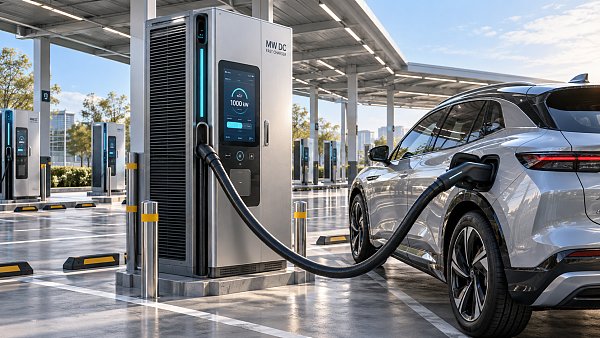
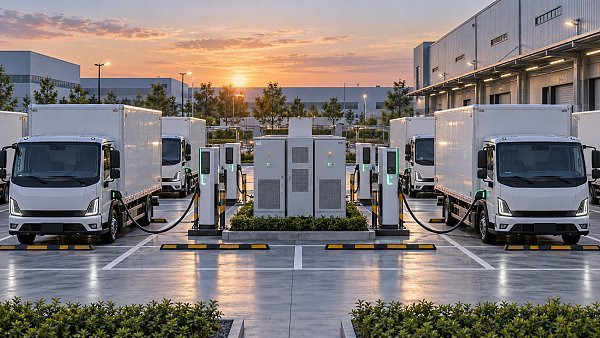
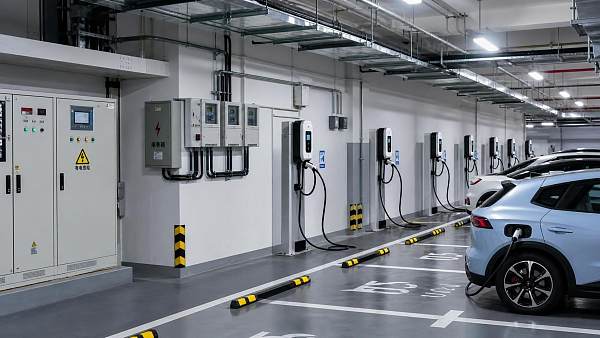
The most forgiving environment is usually the overnight delivery depot. Vans return in the evening, leave in the morning, and remain parked long enough that AC charging or lower-power DC charging can be practical. That sounds straightforward, but these sites are where poor planning hides most easily. Teams often assume that if vehicles are parked for eight to ten hours, any charger mix will work. In reality, the charging window is shorter than the parking window. Vehicles may come back at staggered times, some need cleaning or loading, and the final hour before departure is often operationally sensitive because dispatch wants every unit ready at once.
At these sites, the engineering priority is usually controlled simultaneous charging. Not every vehicle needs full power the moment it plugs in. Smart load management matters more than headline charger output. A depot with limited transformer capacity can often support more vehicles than expected if charging is sequenced around departure times, state of charge, and route length. This is where software stops being a nice add-on and becomes part of core infrastructure. If the charging management system cannot allocate power dynamically, the operator may have to build excess grid capacity just to compensate for a weak control strategy.
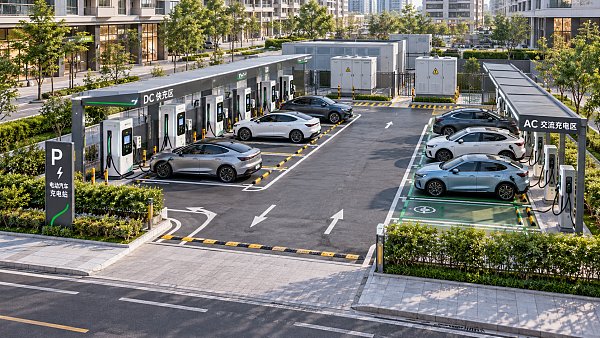
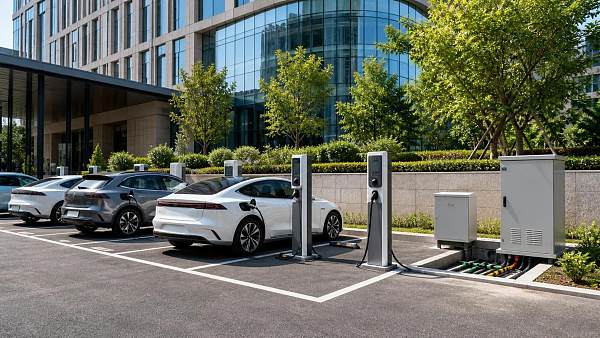
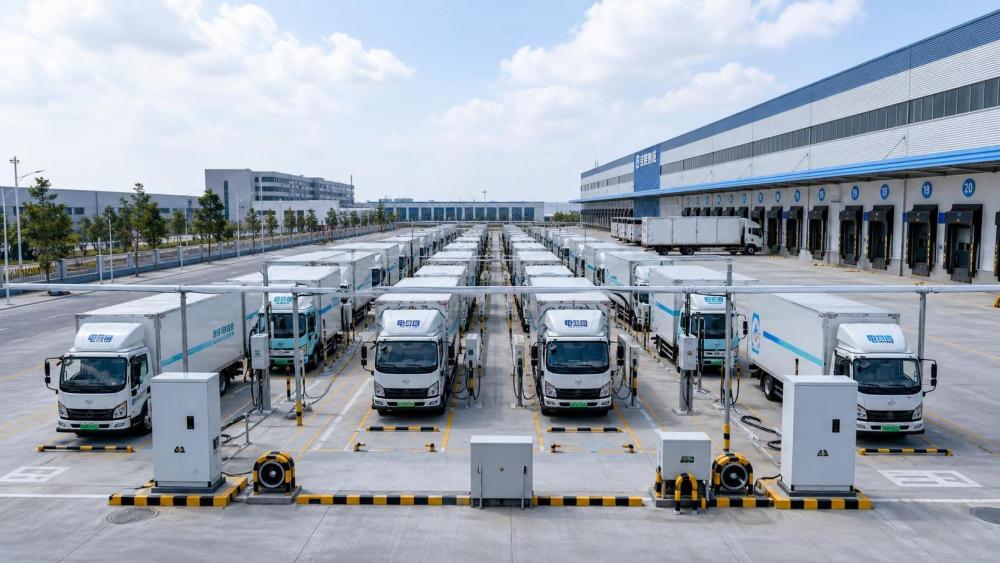
Physical layout also decides whether an overnight depot stays efficient. Rear-yard parking rows that worked for diesel refueling can be awkward for side-port or front-port EV charging. Cable reach, trip hazards, winter handling, and reversing movements all become design issues. The cheapest civil design on bid day is not always the cheapest operating layout. A charger pedestal in the wrong place can slow vehicle circulation every night for years.
High-Turnover Hubs Need Energy Recovery in Narrow Time Windows
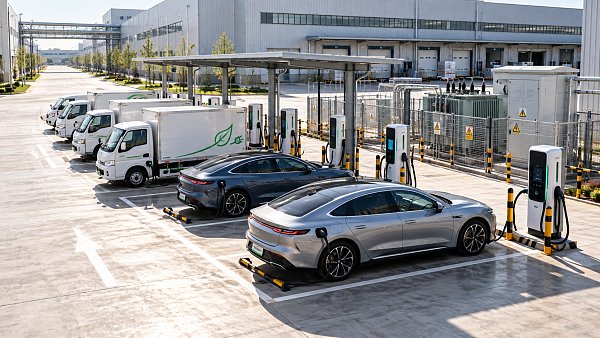
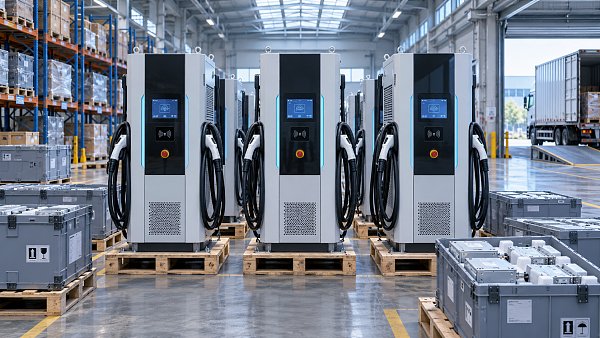
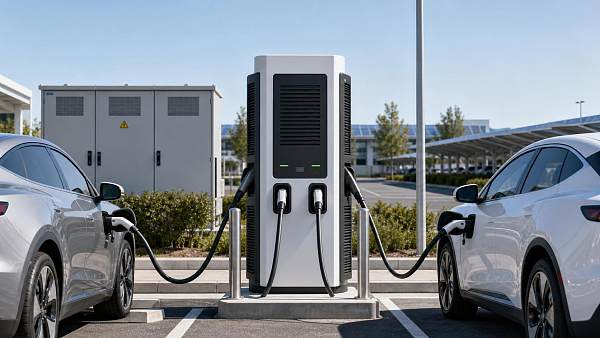
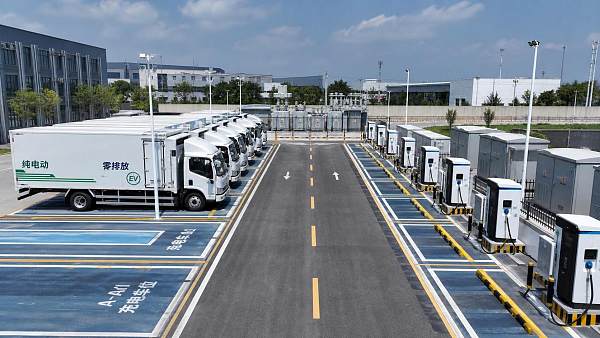
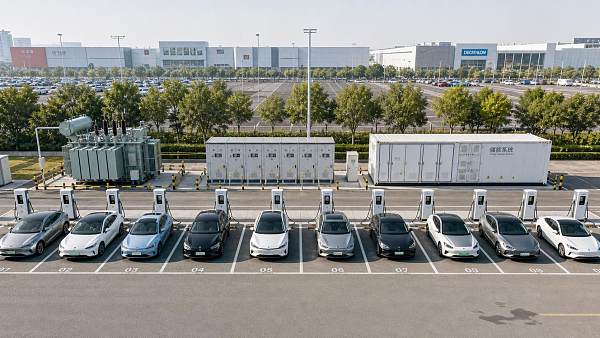
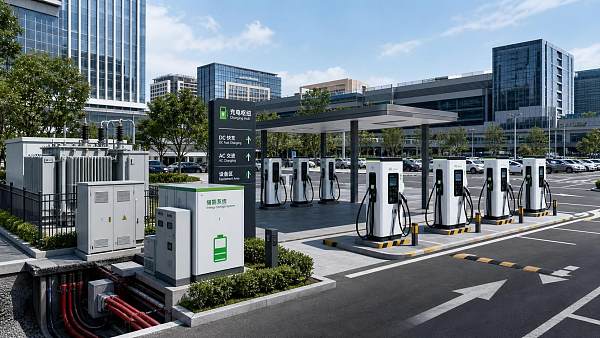
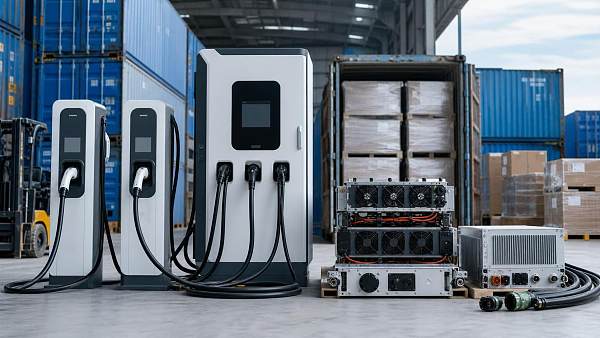
A regional delivery hub or urban transshipment site is a tougher case. Vehicles may return between waves, unload, reload, and leave again quickly. Here, the charging design is driven less by total daily energy and more by how much range must be recovered in limited dwell periods. That pushes the site toward higher-power DC charging, but installing fast chargers without modeling traffic flow and queue behavior creates another problem: vehicles waiting for chargers instead of for loading bays.
The common mistake is to size chargers from vehicle battery capacity rather than from operational turnaround. A vehicle with a large battery does not always need ultra-fast charging if its route profile leaves enough buffer and its next departure is not immediate. The reverse is also true. A modest battery pack on a tightly scheduled route may need guaranteed access to faster charging because there is no slack in the operation. This is why dispatch data is more useful than brochure-level vehicle specifications during early design.
For these higher-intensity hubs, charger placement should be treated as part of yard engineering. Through-lane access, trailer movement, reversing space, bollard protection, and cable handling under rain or snow all influence uptime. Some operators prefer a centralized charging zone because it simplifies electrical works and maintenance. Others need distributed chargers closer to loading positions because every extra movement in the yard adds labor time and congestion risk. Neither approach is universally better; the right answer depends on whether the hub is constrained more by power distribution cost or by vehicle movement friction.
The Grid Connection Is Often the Real Project Schedule
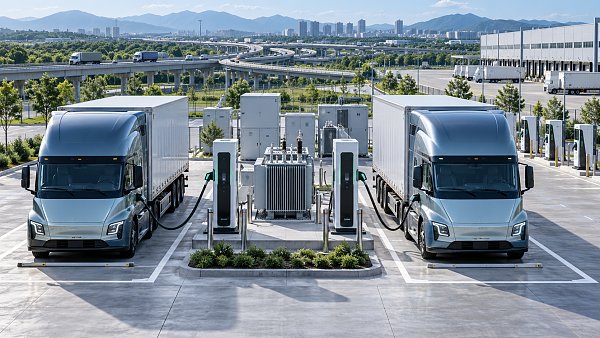
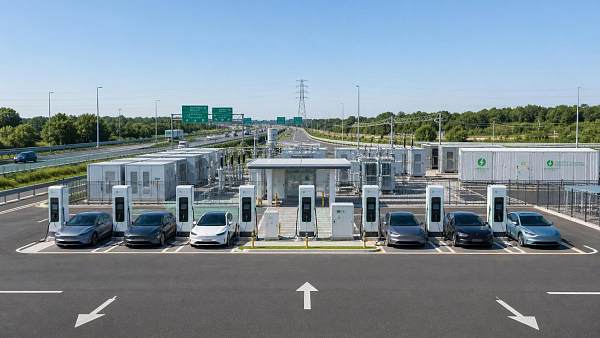
In logistics electrification, the utility interface often controls the implementation timeline more than charger procurement does. Many depot teams begin with hardware selection and only later discover that upstream capacity upgrades, transformer replacement, or substation work will take longer than the fleet rollout plan. That is not a detail to solve later. It changes the entire phasing strategy.
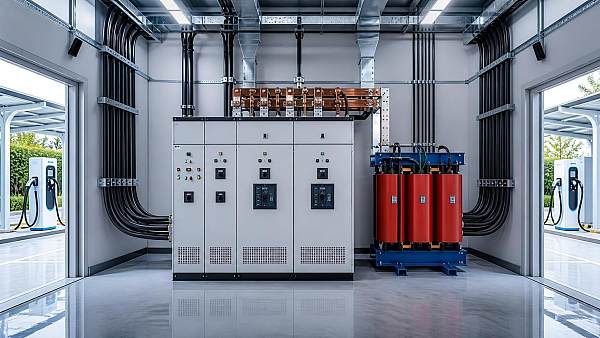
Where grid capacity is tight, a staged build is usually more realistic than a full-capacity installation on day one. The first phase may support only a portion of the fleet, with conduits, switchgear space, and civil provisions already prepared for later expansion. This matters because retrofit trenching across an active depot is disruptive and expensive. It is usually better to overprepare passive infrastructure early than to reopen the yard after operations have adapted to electrification.
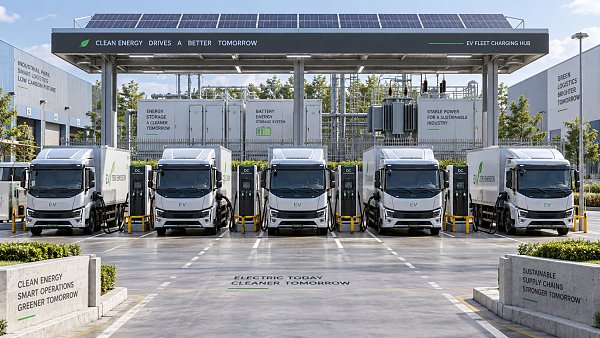
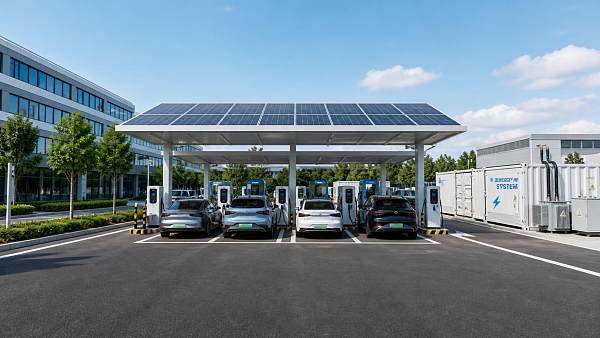
Battery storage can help in some projects, especially where demand charges are material or peak charging events exceed the practical import limit. But storage should not be treated as a generic fix for every constrained site. Its value depends on tariff structure, charging profile, available footprint, fire safety design, and the operator’s tolerance for a more complex asset stack. In some depots, managed charging alone is enough. In others, on-site storage makes sense because it reduces transformer upsizing or smooths a sharply peaked load profile. The point is to model the site honestly rather than assuming batteries automatically improve project economics.
What Operators Usually Underestimate
Those issues are rarely dramatic during a pilot. They become expensive when the fleet grows and the depot has to operate with less manual intervention. A site that depends on staff constantly moving vehicles to free chargers may still function at ten vehicles. At sixty, it becomes an operational drag.
Charging Infrastructure Has to Match the Business Rhythm
Cold-chain fleets, parcel networks, municipal service depots, and linehaul transfer points all electrify under different pressures. Refrigerated logistics may carry significant auxiliary loads beyond traction energy. Urban parcel fleets often care more about route repeatability and overnight recovery than about top charging speed. Mixed fleets create another layer of complexity because light commercial vans and heavier medium-duty vehicles do not always fit the same bay spacing, cable reach assumptions, or power-sharing logic.
This is also where a lot of customer questions become more practical than technical. Operators ask whether every bay needs a charger, whether dual-gun DC units improve utilization, whether AC charging is enough for the first stage, and how much spare capacity should be reserved for expansion. There is no fixed answer. If vehicle rotation is stable and dwell time is long, not every parking space needs dedicated hardware. If parking assignments change constantly and labor discipline is uneven, dedicated bays may prevent missed charges even if asset utilization looks lower on paper.
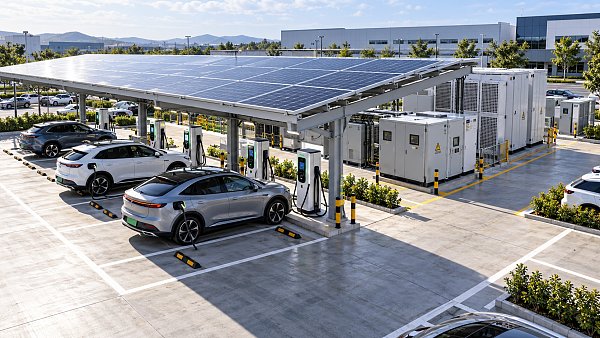
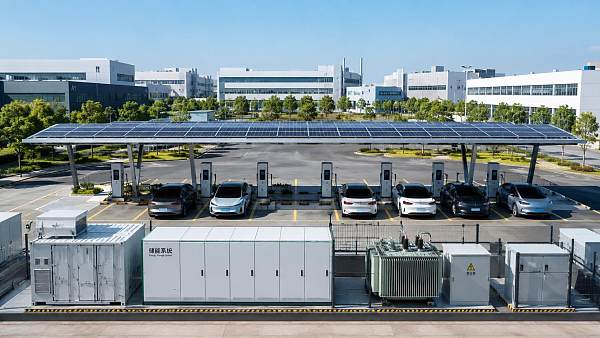
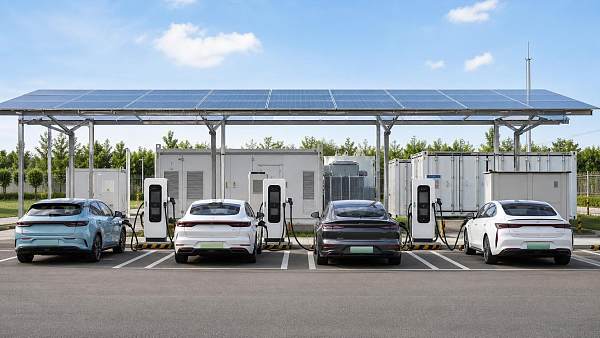
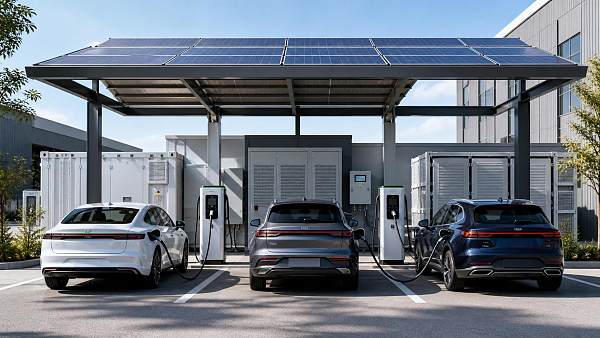
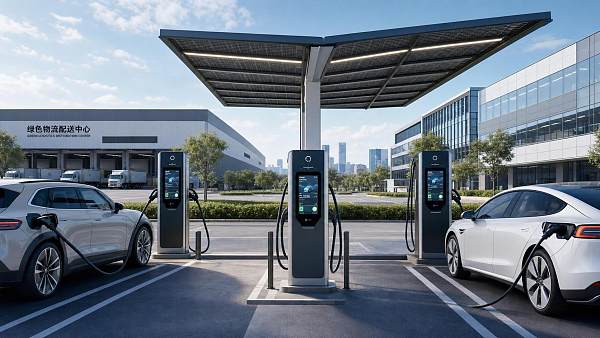
Some depots also have a strong case for integrating on-site solar, especially where roof area is available and daytime charging is meaningful. But the fit depends on coincidence between generation and charging demand. Solar can offset part of site consumption, yet it does not remove the need to design for evening peaks if vehicles mainly return after business hours. For that reason, solar-plus-storage-plus-charging only works commercially when the time profile supports it, not simply because the technologies are often marketed together.
What a Defensible Planning Process Looks Like
The strongest fleet charging infrastructure plans for logistics operations usually come from a narrow but disciplined workflow. Start with route and dwell-time data, not charger catalogs. Map arrival waves, departure deadlines, and minimum energy recovery per vehicle class. Put that against real site electrical conditions, including existing building loads. Then test several charging strategies: lower-power distributed charging, concentrated fast charging, phased deployment, and managed charging with different priority rules.
Once those options are compared, the right design direction normally becomes clearer. Some sites justify a dense overnight AC network with robust energy management. Others need a hybrid layout with a baseline of slower chargers plus several high-power DC points for operational exceptions. The engineering answer is rarely elegant in a generic sense. It is specific to how the depot earns money and how little delay the operation can tolerate.
For project developers, EPC teams, utilities, and site owners, the most useful discipline is resisting the urge to treat charging as a parking-lot add-on. In logistics, it is part of the operating system. The quality of the plan shows up later in dispatch reliability, power cost, maintenance burden, and how easily the depot absorbs the next wave of vehicles. Before locking the design, it is worth pressure-testing one simple question: if fleet size doubles and route timing gets less predictable, does the infrastructure still work without rebuilding the whole yard?
Questions about market trends? Contact Market Scope Live for deeper business insights.
We respect your privacy. Your information is strictly confidential.
Related News
 EV Charging InfrastructureIndian Minister Proposes Lower EV Charging Rates to Encourage AdoptionIndia EV charging rates could fall in Maharashtra under Nitin Gadkari’s proposal. Explore the potential impact on drivers, fleets and charging operators.MORE+
 EV Charging InfrastructureEV Charging for Industrial Parks: Sizing Capacity and Managing Peak LoadsPlan industrial parks EV charging with confidence. Learn how to size capacity, manage peak loads, reduce demand costs, and keep fleets ready without disrupting production.MORE+
 EV Charging InfrastructureArlington County, Virginia, to Raise Public EV Charging Rates by 72%Arlington County public EV charging rates will rise 72% to $0.30/kWh on November 1, 2026. Explore the potential impact on fleet budgets and how businesses can prepare.MORE+
 EV Charging InfrastructurePlanning Solar EV Charging Hubs: Sizing PV, Battery Storage, and Grid CapacityPlan solar EV charging hubs with confidence. Learn how to size PV, battery storage, and grid capacity to meet peak demand, control costs, and support reliable charging.MORE+
 EV Charging InfrastructureChery Unveils 1.44 MW Charging System, Claims 500 km of Range in Five MinutesChery’s 1.44 MW charging system claims 500 km of range in five minutes. Explore its ultrafast EV charging technology, vehicle compatibility and global rollout plans.MORE+
 EV Charging InfrastructureComparing EV Charging Equipment Manufacturers: Warranty, Lead Times, and SupportCompare EV charging equipment manufacturers on warranty coverage, lead times, and support. Discover how to reduce downtime, uncover hidden costs, and choose the right supplier.MORE+
 EV Charging InfrastructurePlanning Urban EV Charging Hubs: Site Selection, Power Needs, and Charger MixPlan urban EV charging hubs with confidence. Discover how to select sites, size power capacity, and balance AC/DC chargers to control costs and deliver reliable charging.MORE+
 EV Charging InfrastructureHow to Plan Charging Corridors for Fleet Routes, Grid Capacity, and Future DemandCharging corridor infrastructure planning helps fleets align routes, grid capacity, reliable charging, and scalable site design for future demand.MORE+
 EV Charging InfrastructureHow to Size Fast EV Charging Equipment for Fleet Depots Without OverbuildingFast EV charging equipment for fleet depots: learn how to match power, charging windows, grid capacity, and smart controls without costly overbuilding.MORE+
 EV Charging InfrastructureHow to Plan EV Charging Infrastructure in Indonesia for Fleet and Public SitesCharging infrastructure planning in Indonesia for fleet and public sites: optimize energy, grid capacity, smart load management, safety, and scalable EV charging.MORE+
 EV Charging InfrastructureHow to Size DC EV Charging Equipment for Fleet Depots and Peak DemandDC EV charging equipment sizing guide for fleet depots: balance energy demand, peak loads, utility limits, smart charging, and scalable growth.MORE+
 EV Charging InfrastructureAre EV Charger Payment Systems Interoperable Across Regions?Are there interoperability standards for EV charger payment systems across regions? Explore OCPP, OCPI, Plug & Charge, roaming, and payment strategies for seamless EV charging.MORE+
 EV Charging InfrastructureHow to Evaluate Total Cost of Ownership for a Fleet DC Charging DepotHow to evaluate total cost of ownership for a fleet DC charging depot: compare grid costs, tariffs, uptime, smart charging, and scalable infrastructure.MORE+
 EV Charging InfrastructurePublic Charging Infrastructure Planning: Site Criteria, Grid Capacity, and UtilizationPublic charging infrastructure planning made practical: evaluate site access, grid capacity, utilization, and scalable design to build reliable, investable EV charging hubs.MORE+
 EV Charging InfrastructureHow Behind-the-Meter Energy Systems for EV Charging Cut Peak-Demand CostsBehind the meter energy systems for EV charging help cut peak-demand costs, defer grid upgrades, and improve charging reliability with storage and smart controls.MORE+
 EV Charging InfrastructureIs Building a Public EV Charging Network in Rural Areas Financially Viable?Is it financially viable to build public charging networks in rural areas? Explore grid costs, utilization, funding, AC/DC choices, and strategies for profitable rural EV charging.MORE+
 EV Charging InfrastructureHow Public EV Charging Load Management Prevents Peak Demand and Grid Overloadspublic EV charging load management prevents costly peak demand and grid overloads. Explore smarter controls, capacity planning, and scalable charging performance.MORE+
 EV Charging InfrastructureHow to Assess Long-Term EV Charger Reliability Before ProcurementHow to evaluate long-term reliability of EV chargers before procurement? Explore practical checks for uptime, grid compatibility, software stability, service support, and lifecycle costs.MORE+
 EV Charging InfrastructureIs AC Charging Still Worth Investing in for New Public Stations in 2026?Is AC charging still worth investing in for new public stations in 2026? Explore where smart, managed AC charging delivers value, revenue, and scalable EV infrastructure.MORE+
 EV Charging InfrastructureHow to Plan Power Capacity for Highway EV Charging CorridorsHighway charging corridor power capacity planning: learn how to size grid connections, manage peak demand, use storage, and phase EV hubs for reliable, scalable growth.MORE+
 EV Charging InfrastructureWhat Is the Typical BMS Failure Rate in EV Charging Equipment?Battery management system failure rate in charging equipment: learn what BMS faults mean, key risks, and how to protect EV charger uptime.MORE+
 EV Charging InfrastructureHow Should Fleet Depot Charging Stations Be Laid Out?Fleet depot charging station layout design guidelines for safer vehicle flow, smart power use, scalable infrastructure, and reliable fleet readiness. Explore practical planning tips.MORE+
 EV Charging InfrastructureDC Fast Chargers vs Liquid-Cooled Ultra-Fast Chargers in 2026DC fast charger vs liquid-cooled ultra-fast charging stations 2026: compare power, costs, grid demands, uptime, and ideal deployment scenarios for smarter EV infrastructure.MORE+
 EV Charging InfrastructureWhat Does the Global EcoPower Charging Intelligence Platform Do?Global EcoPower EV charging infrastructure intelligence platform delivers actionable insights on grid capacity, storage, technology, risk, and profitable charging project planning.MORE+
 EV Charging InfrastructureHow Global EcoPower Manages Energy Across EV Charging NetworksGlobal EcoPower energy management systems for charging networks optimize EV charging with dynamic load control, storage, solar integration, and reliable data insights.MORE+
 EV Charging InfrastructureWhat Switchgear Specifications Are Needed for a 500 kW Charging Site?What switchgear specifications are required for a 500kW charging installation? Explore load sizing, transformer selection, fault ratings, protection, and expansion planning.MORE+
 EV Charging InfrastructureWhich Communication Protocols Matter When Mixing Charger Brands?What communication protocols matter most when mixing charger brands at one station? Explore OCPP, OCPI, ISO 15118, and energy controls for reliable interoperability.MORE+
 EV Charging InfrastructureWhat Grid Connection Capacity Does a 10-Bay Fast Charging Hub Need?What grid connection capacity is needed for a 10-bay fast charging hub? Explore demand, power sharing, batteries, and scalable planning for reliable EV charging.MORE+
 EV Charging InfrastructureHow to Plan EV Charging Systems for Apartments Without Overloading the Building?EV charging systems for apartments start with capacity, not charger count. Learn how to prevent overloads, use smart load management, and plan scalable charging that fits your building.MORE+
 EV Charging InfrastructureHow City Charging Infrastructure Planning Can Reduce Costs and Avoid Grid BottlenecksCharging infrastructure planning for cities helps cut costs, avoid grid bottlenecks, and speed EV rollout with smarter, scalable deployment.MORE+
 EV Charging InfrastructureEU Mandates EN 61851-23:2026 for EV ChargersEU Mandates EN 61851-23:2026 for EV Chargers: learn how the new EU rule impacts certification, customs clearance, and market access before October 2026.MORE+
 EV Charging InfrastructureITC Ruling Puts Chinese EV Chargers Under 337 PressureITC ruling on Chinese EV chargers puts Section 337 pressure on imports, compliance, and OEM supply chains. Learn how patent risks may impact U.S. customs, distributors, and EV charger sourcing.MORE+
 EV Charging InfrastructureHow EV Charging Technology Affects Charging Speed, Compatibility, and Site PlanningEV charging technology shapes real charging speed, vehicle compatibility, and site planning. Learn how to avoid costly design mistakes and build charging projects that perform.MORE+
 EV Charging InfrastructureUS Requires UL 1741 SA-2025 EVSE ModulesUS Requires UL 1741 SA-2025 EVSE Modules for imported DC fast chargers. Learn how V2G, FCC+UL testing, and firmware compliance will reshape US market access.MORE+
 EV Charging InfrastructureUSTR Opens Section 301 Review on China EV ChargersUSTR Opens Section 301 Review on China EV Chargers: learn how the 25% tariff review may affect import costs, customs compliance, and procurement timing across EV charging and BESS supply chains.MORE+
 EV Charging InfrastructureHow to Plan Fleet Charging Infrastructure for Logistics Depots and Delivery HubsFleet charging infrastructure for logistics starts with duty cycles, dwell time, and grid limits. Learn how to design depot and hub charging that cuts bottlenecks and supports scalable fleet electrification.MORE+
 EV Charging InfrastructureWhat Is Load Management in EV Charging and How Does It Reduce Peak Power Costs?Load management in EV charging helps control peak demand, lower grid upgrade pressure, and cut costly power spikes. Learn how smart power allocation improves site economics.MORE+
 EV Charging InfrastructureHow to Evaluate an EV Charging Software Platform for Multi-Site Charging OperationsEV charging software platform evaluation made practical: learn how to assess interoperability, load management, billing, security, and scalability for multi-site charging operations.MORE+
 EV Charging InfrastructureUSTR Opens 301 Review on China EV Charging GearUSTR opens a Section 301 review on China EV charging gear, putting tariffs, import costs, pricing, and inventory plans at risk. See what US importers and distributors should watch now.MORE+
 EV Charging InfrastructureEU Sets 17.1% Duty on Chinese EV ChargersEU Sets 17.1% Duty on Chinese EV Chargers: see how the new EU tariff affects EV charging equipment exports, customs costs, HS codes, and contract risks for suppliers.MORE+