How City Charging Infrastructure Planning Can Reduce Costs and Avoid Grid Bottlenecks
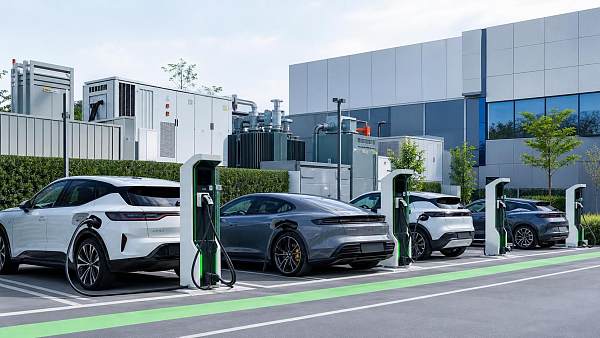
Charging infrastructure planning for cities is no longer just a mobility topic—it is a strategic energy and cost-control decision. For business leaders, the right planning approach can lower capital expenditure, reduce grid upgrade risks, and prevent bottlenecks that delay EV rollout and strain power networks. By aligning charger deployment with demand patterns, utility capacity, and smart load management, cities can build scalable charging systems that support growth, improve reliability, and deliver stronger long-term returns.
What makes this issue difficult is that city charging networks are often planned as a collection of sites rather than as one connected power system. That approach tends to create the same problems again and again: underused chargers in low-demand areas, overloaded feeders in busy districts, expensive grid reinforcement at short notice, and poor coordination between real estate owners, utilities, and charging operators. For decision-makers, the real question is not how many chargers to install, but where, when, and at what power level they should be added.
Why city charging costs rise faster than expected
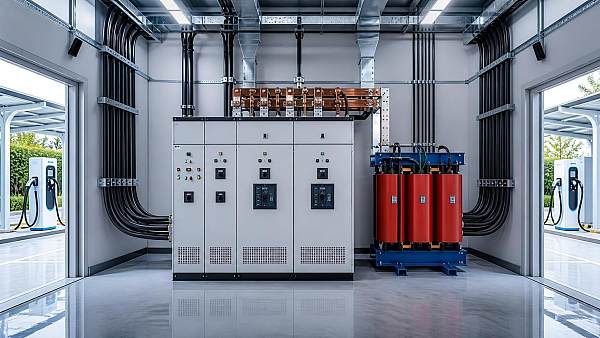
The largest cost mistake in urban EV infrastructure is assuming that hardware cost is the main budget item. In practice, the charger itself is often only part of the bill. Civil works, transformer upgrades, switchgear, cable routing, permits, utility studies, and downtime during installation can easily outweigh the price of the charging unit. In dense cities, these hidden costs increase further because construction windows are limited and grid connections are more constrained.
Another reason budgets overshoot is poor demand forecasting. If planners size sites only for peak future adoption, they may overbuild early and lock in weak utilization. If they size too conservatively, they create queues, reliability complaints, and costly retrofits. The most expensive outcome is a network that needs repeated redesign because the original deployment assumptions were never tied to actual traffic flow, fleet behavior, or local power availability.
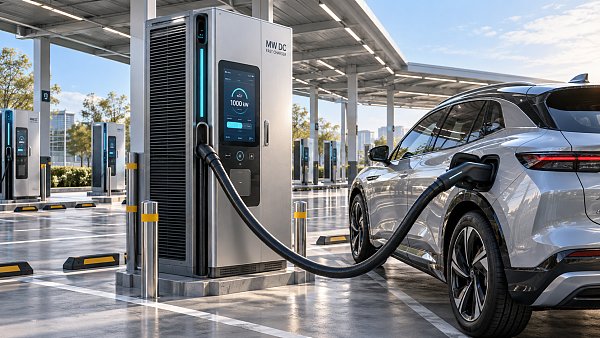
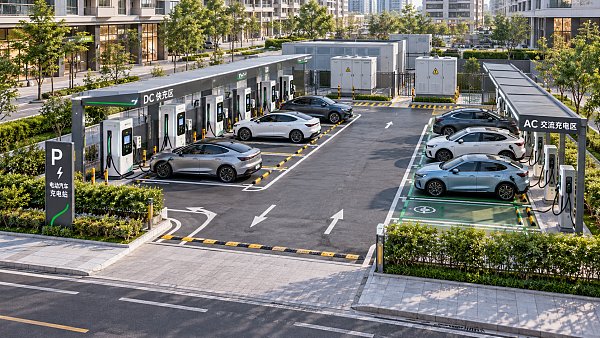
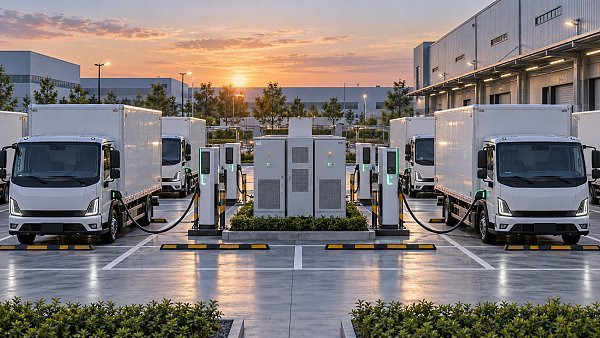
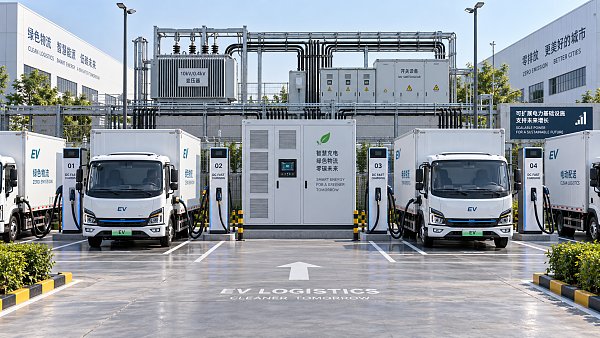
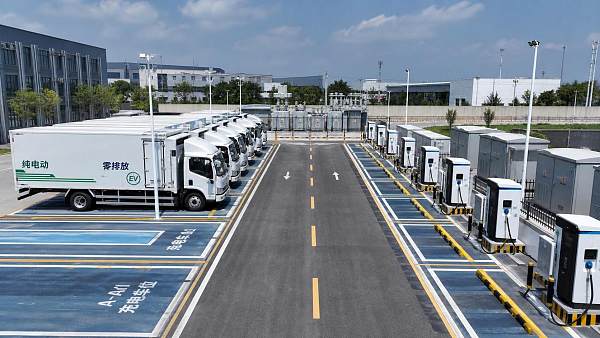
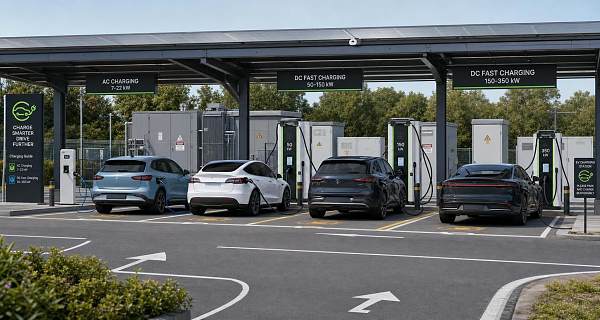
That is why city charging infrastructure planning should be treated as a phased infrastructure program. Early deployment should focus on high-confidence demand zones—fleet depots, logistics clusters, taxi corridors, public parking assets, and mixed-use commercial districts with stable grid access. Expensive ultra-fast charging should not be placed everywhere by default. In many urban settings, a balanced mix of AC charging, standard DC fast charging, and selectively deployed high-power units creates a much better cost profile.
The grid bottleneck is usually a planning problem before it becomes a technical one
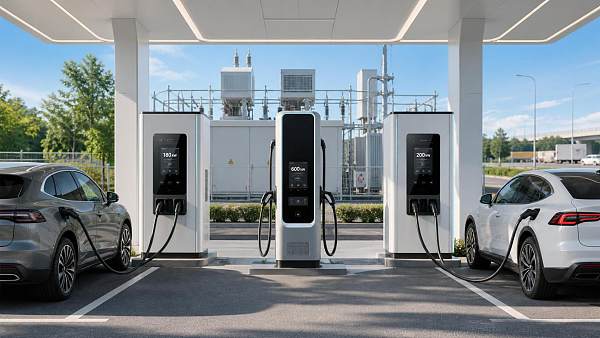
Grid bottlenecks are often described as if they were purely utility-side constraints, but many are triggered by site-level planning choices. If multiple high-power chargers are concentrated in one district without load coordination, the local feeder may become overloaded even when the wider network still has spare capacity. Likewise, if developers pursue the easiest land parcels instead of the best power locations, they can create artificial congestion in parts of the city that were never designed for continuous heavy charging load.
The practical way to avoid this is to map charging demand against available electrical capacity before construction decisions are finalized. That means using utility interconnection data, substation proximity, feeder headroom, transformer ratings, and local peak demand patterns to guide site selection. It also means recognizing that not every high-demand area needs the same solution. Some locations need more chargers. Others need better load management, energy storage, or off-peak pricing incentives.
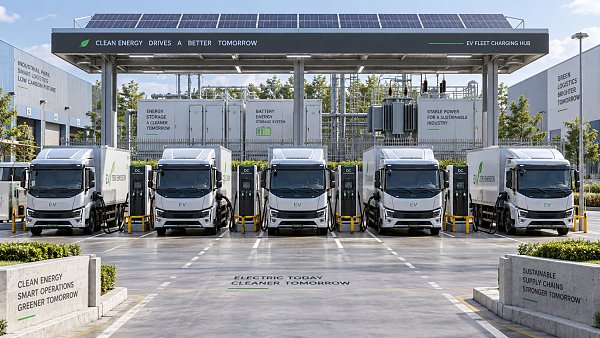
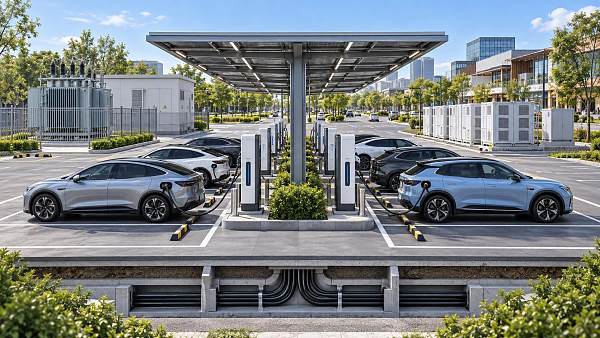
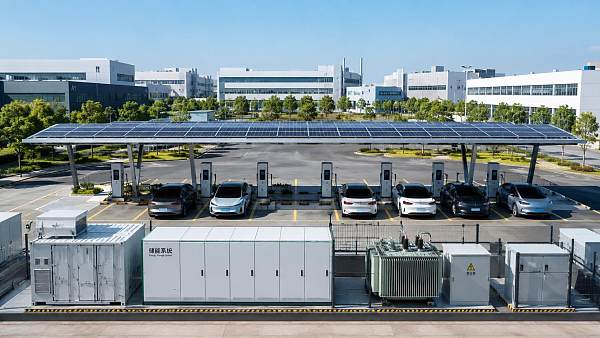
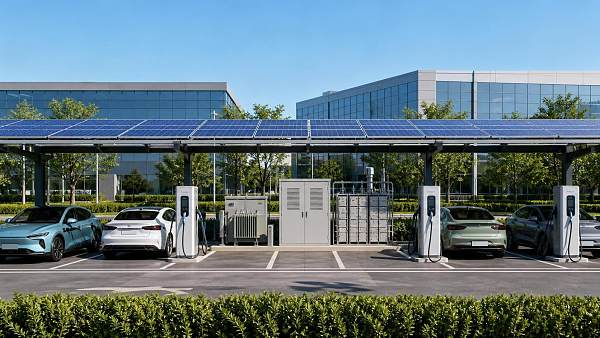
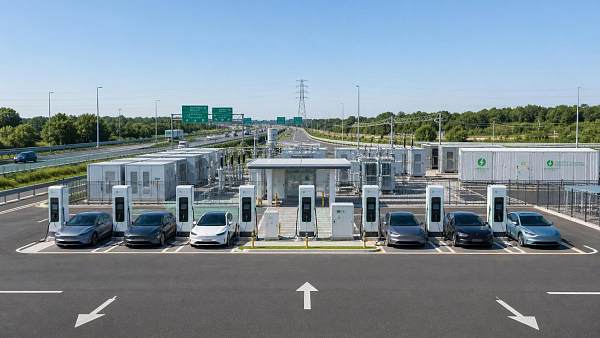
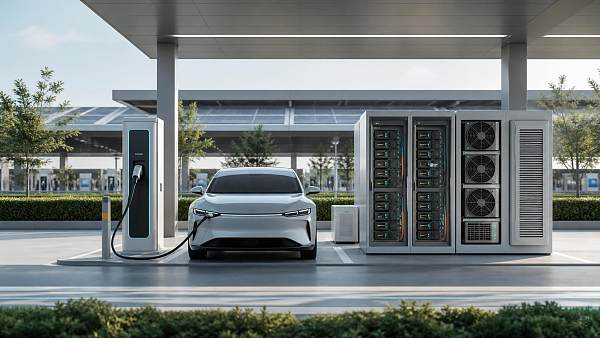
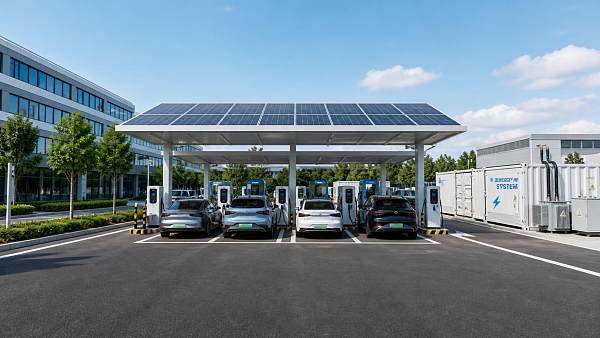
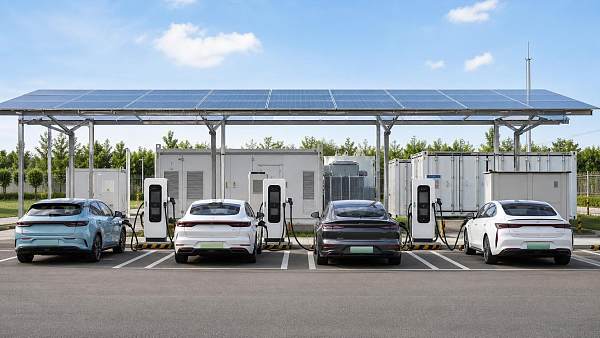
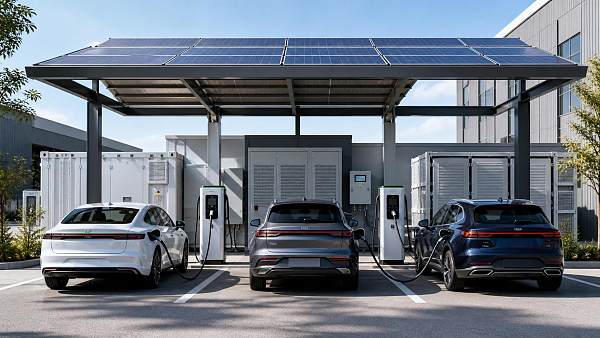
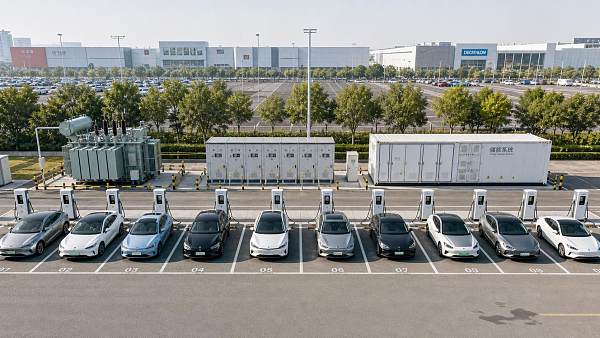
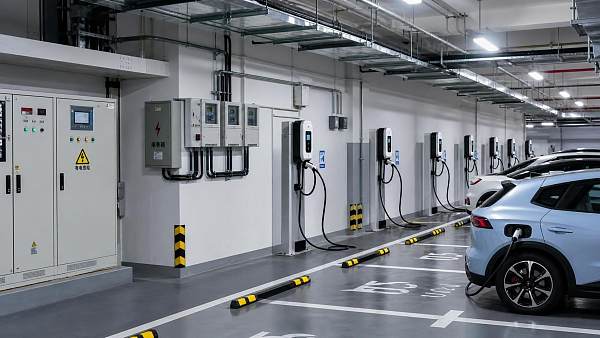
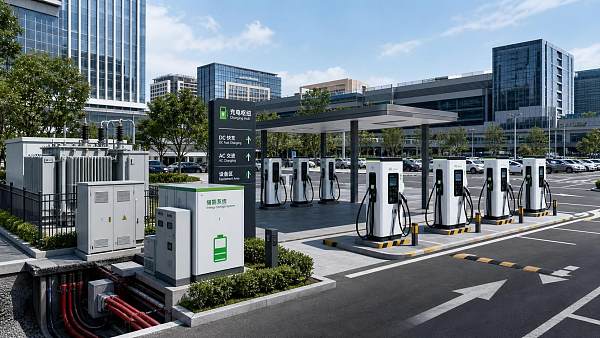
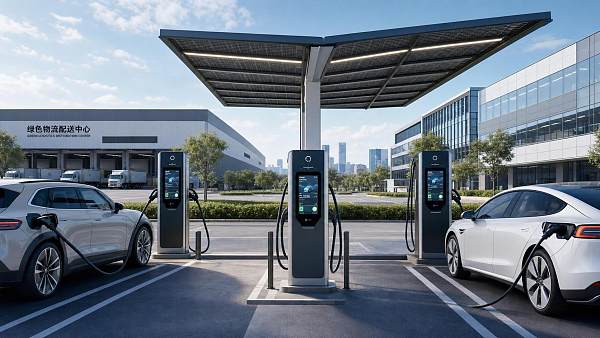
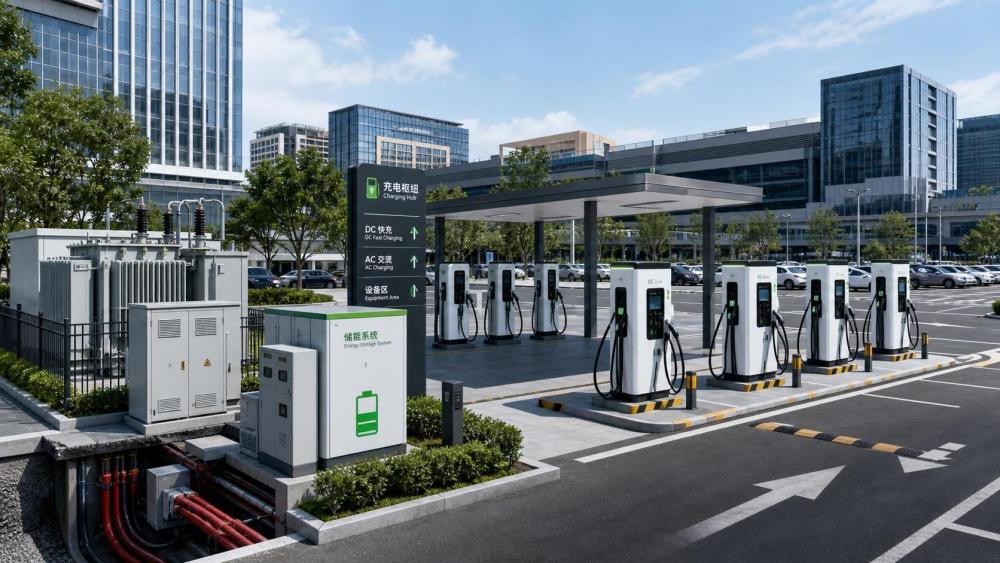
In cities with limited grid flexibility, a smaller number of well-integrated charging hubs can be more effective than many isolated sites. A hub design allows for shared transformers, centralized control, and staged expansion. It also makes it easier to incorporate battery storage for peak shaving or backup support. For decision-makers, this can reduce immediate interconnection cost and improve the probability of faster deployment.
Where smart load management changes the economics
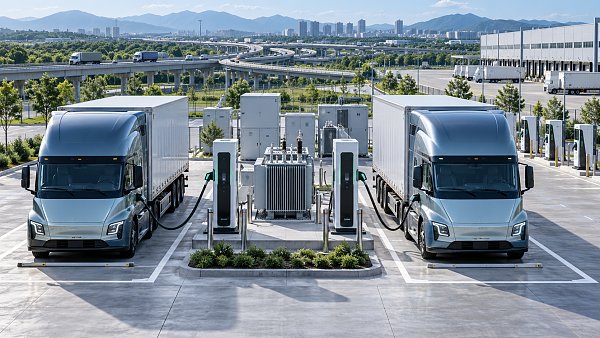
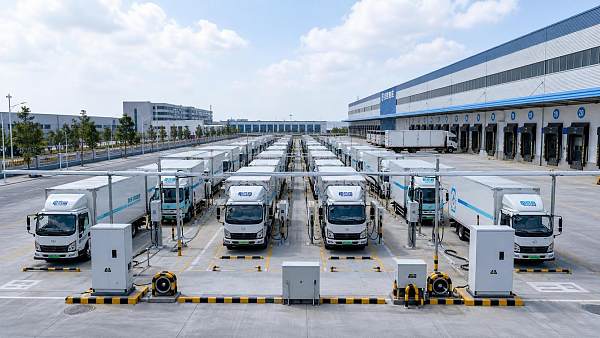
Smart load management is not just a technical add-on; it is often the difference between a viable site and a stalled project. By controlling charging power in real time, operators can keep total site demand within agreed grid limits while still serving vehicles efficiently. This is especially important for fleets, municipal depots, and commercial parking sites where vehicles return on predictable schedules and do not all need maximum charging power at once.
The value of load management is strongest when demand is variable but controllable. A delivery fleet that charges overnight can usually accept dynamic power allocation. A public fast-charging site near a highway exit may need more reserve capacity but still benefits from power sharing across dispensers. In both cases, the goal is the same: avoid paying for grid capacity that remains idle most of the time.
Battery storage can strengthen this model further, but only when the economics are clear. Storage can reduce peak demand charges, smooth charging bursts, and support resilience during outages or utility constraints. Yet storage adds capital cost, maintenance complexity, and degradation risk. It makes sense when the grid upgrade alternative is more expensive or slower, or when site operators face high demand charges and need operational flexibility. It is not automatically the best choice for every urban site.
The best city charging plans start with use cases, not charger counts
Business leaders often ask how many chargers a city needs. A better question is which use cases must be served first. Private passenger charging, ride-hailing fleets, buses, delivery vehicles, municipal service vehicles, and transit-support depots all create different load profiles, dwell times, and reliability expectations. Treating them as one category leads to misallocation of capital.
Fleet charging usually offers the clearest return because vehicle schedules are known and utilization is high. Depot charging also gives planners more control over land, cabling, and power architecture. Public charging, by contrast, has more variable utilization and requires a broader service strategy, including payment systems, user access, uptime management, and customer experience. Rapid rollout of public chargers without corresponding grid and operations planning can produce visible infrastructure that still performs poorly.
Urban planners should also consider the interaction between charging and broader land use. Shopping centers, office parks, logistics zones, residential districts, and transport interchanges do not generate demand in the same way. Sites with long dwell times are often better suited to lower-power charging, while short-stop locations require faster turnover and more careful power coordination. A city that ignores these behavioral patterns will overspend on speed where it is not needed and undersupply where it is.
Utility coordination determines whether deployment stays on schedule
One of the most common reasons urban charging projects slip is late-stage utility engagement. Developers choose sites, secure leases, and define equipment packages before confirming interconnection requirements. When utility studies later reveal limited capacity or upgrade needs, the project can face redesign, higher capex, and a longer commissioning timeline.
To reduce that risk, utilities should be involved early in site screening, not only at the permit stage. The best planning teams maintain a shared view of feeder constraints, future load growth, transformer replacement schedules, and planned grid reinforcement work. This allows charging projects to be sequenced around real network timelines rather than optimistic construction assumptions.
In some cities, the grid connection process itself becomes the bottleneck. If that is the case, planners should compare several options: smaller initial sites with future expansion rights, sites near existing capacity, or sites paired with onsite storage and active load control. The lowest-cost option on paper is not always the fastest to commission, and speed matters when EV adoption targets are tied to policy commitments or commercial rollout plans.
What decision-makers should look for in a scalable urban plan
A credible city charging strategy should show more than a rollout map. It should explain where demand is expected to concentrate, which sites can be energized quickly, which require grid reinforcement, and how much flexibility the network has as adoption rises. If that logic is missing, the plan is likely to produce isolated assets rather than a scalable system.
Several practical indicators matter more than headline charger numbers:
- Available grid headroom by district and feeder
- Expected utilization by site type and time of day
- Ability to phase capacity without redesigning the entire site
- Compatibility with load management and energy storage
- Permitting complexity and civil construction constraints
- Ongoing maintenance access and uptime requirements
Procurement teams should also evaluate vendors and integrators on system-level performance, not only charger specifications. A strong solution should support load balancing, remote monitoring, payment integration, fault detection, and utility coordination. If those functions are fragmented across multiple suppliers without clear ownership, operating costs rise and fault response slows down.
Common mistakes that create unnecessary cost
One recurring mistake is building for maximum power from day one. High-power charging is valuable in the right location, but over-specifying every site creates stranded capacity. Another is ignoring future grid tariff exposure. A site that looks affordable on installation cost may become expensive to operate if demand charges are not managed from the start.
A third mistake is treating city charging as a standalone transport project. In reality, it intersects with power planning, property development, fleet operations, and municipal budgeting. If these stakeholders work separately, the result is duplicated effort and inconsistent assumptions. The most successful programs use a shared planning framework that ties transport targets to electrical capacity and financial thresholds.
There is also a tendency to underestimate maintenance and uptime requirements. In urban networks, a charger that is frequently offline does more than reduce revenue—it damages user confidence and can distort utilization data, leading planners to misread where true demand exists. Reliability should therefore be part of the planning model, not only the service contract.
How cities can reduce risk while keeping expansion flexible
The most resilient strategy is phased deployment with built-in optionality. Early sites should be chosen where demand is visible and grid access is manageable. Designs should allow for modular expansion, whether through additional dispensers, upgraded power electronics, or storage integration. This keeps initial investment controlled while preserving a path to scale.
Cities also benefit from separating what must be fixed from what can be dynamic. Physical infrastructure is hard to move, so land use and electrical access need careful selection. Power allocation, pricing, and operating schedules are more flexible and should be used actively to manage congestion. That balance reduces the chance of overbuilding while keeping the network responsive to changing demand.
For enterprise decision-makers, this is the core takeaway: charging infrastructure planning for cities is not about installing as much capacity as possible. It is about placing the right capacity where the grid can support it, the demand can justify it, and the system can grow without repeated reinvestment. That is how cities reduce cost, avoid bottlenecks, and build charging networks that remain useful as the market evolves.
Questions about market trends? Contact Market Scope Live for deeper business insights.
We respect your privacy. Your information is strictly confidential.
Related News
 EV Charging InfrastructureIndian Minister Proposes Lower EV Charging Rates to Encourage AdoptionIndia EV charging rates could fall in Maharashtra under Nitin Gadkari’s proposal. Explore the potential impact on drivers, fleets and charging operators.MORE+
 EV Charging InfrastructureEV Charging for Industrial Parks: Sizing Capacity and Managing Peak LoadsPlan industrial parks EV charging with confidence. Learn how to size capacity, manage peak loads, reduce demand costs, and keep fleets ready without disrupting production.MORE+
 EV Charging InfrastructureArlington County, Virginia, to Raise Public EV Charging Rates by 72%Arlington County public EV charging rates will rise 72% to $0.30/kWh on November 1, 2026. Explore the potential impact on fleet budgets and how businesses can prepare.MORE+
 EV Charging InfrastructurePlanning Solar EV Charging Hubs: Sizing PV, Battery Storage, and Grid CapacityPlan solar EV charging hubs with confidence. Learn how to size PV, battery storage, and grid capacity to meet peak demand, control costs, and support reliable charging.MORE+
 EV Charging InfrastructureChery Unveils 1.44 MW Charging System, Claims 500 km of Range in Five MinutesChery’s 1.44 MW charging system claims 500 km of range in five minutes. Explore its ultrafast EV charging technology, vehicle compatibility and global rollout plans.MORE+
 EV Charging InfrastructureComparing EV Charging Equipment Manufacturers: Warranty, Lead Times, and SupportCompare EV charging equipment manufacturers on warranty coverage, lead times, and support. Discover how to reduce downtime, uncover hidden costs, and choose the right supplier.MORE+
 EV Charging InfrastructurePlanning Urban EV Charging Hubs: Site Selection, Power Needs, and Charger MixPlan urban EV charging hubs with confidence. Discover how to select sites, size power capacity, and balance AC/DC chargers to control costs and deliver reliable charging.MORE+
 EV Charging InfrastructureHow to Plan Charging Corridors for Fleet Routes, Grid Capacity, and Future DemandCharging corridor infrastructure planning helps fleets align routes, grid capacity, reliable charging, and scalable site design for future demand.MORE+
 EV Charging InfrastructureHow to Size Fast EV Charging Equipment for Fleet Depots Without OverbuildingFast EV charging equipment for fleet depots: learn how to match power, charging windows, grid capacity, and smart controls without costly overbuilding.MORE+
 EV Charging InfrastructureHow to Plan EV Charging Infrastructure in Indonesia for Fleet and Public SitesCharging infrastructure planning in Indonesia for fleet and public sites: optimize energy, grid capacity, smart load management, safety, and scalable EV charging.MORE+
 EV Charging InfrastructureHow to Size DC EV Charging Equipment for Fleet Depots and Peak DemandDC EV charging equipment sizing guide for fleet depots: balance energy demand, peak loads, utility limits, smart charging, and scalable growth.MORE+
 EV Charging InfrastructureAre EV Charger Payment Systems Interoperable Across Regions?Are there interoperability standards for EV charger payment systems across regions? Explore OCPP, OCPI, Plug & Charge, roaming, and payment strategies for seamless EV charging.MORE+
 EV Charging InfrastructureHow to Evaluate Total Cost of Ownership for a Fleet DC Charging DepotHow to evaluate total cost of ownership for a fleet DC charging depot: compare grid costs, tariffs, uptime, smart charging, and scalable infrastructure.MORE+
 EV Charging InfrastructurePublic Charging Infrastructure Planning: Site Criteria, Grid Capacity, and UtilizationPublic charging infrastructure planning made practical: evaluate site access, grid capacity, utilization, and scalable design to build reliable, investable EV charging hubs.MORE+
 EV Charging InfrastructureHow Behind-the-Meter Energy Systems for EV Charging Cut Peak-Demand CostsBehind the meter energy systems for EV charging help cut peak-demand costs, defer grid upgrades, and improve charging reliability with storage and smart controls.MORE+
 EV Charging InfrastructureIs Building a Public EV Charging Network in Rural Areas Financially Viable?Is it financially viable to build public charging networks in rural areas? Explore grid costs, utilization, funding, AC/DC choices, and strategies for profitable rural EV charging.MORE+
 EV Charging InfrastructureHow Public EV Charging Load Management Prevents Peak Demand and Grid Overloadspublic EV charging load management prevents costly peak demand and grid overloads. Explore smarter controls, capacity planning, and scalable charging performance.MORE+
 EV Charging InfrastructureHow to Assess Long-Term EV Charger Reliability Before ProcurementHow to evaluate long-term reliability of EV chargers before procurement? Explore practical checks for uptime, grid compatibility, software stability, service support, and lifecycle costs.MORE+
 EV Charging InfrastructureIs AC Charging Still Worth Investing in for New Public Stations in 2026?Is AC charging still worth investing in for new public stations in 2026? Explore where smart, managed AC charging delivers value, revenue, and scalable EV infrastructure.MORE+
 EV Charging InfrastructureHow to Plan Power Capacity for Highway EV Charging CorridorsHighway charging corridor power capacity planning: learn how to size grid connections, manage peak demand, use storage, and phase EV hubs for reliable, scalable growth.MORE+
 EV Charging InfrastructureWhat Is the Typical BMS Failure Rate in EV Charging Equipment?Battery management system failure rate in charging equipment: learn what BMS faults mean, key risks, and how to protect EV charger uptime.MORE+
 EV Charging InfrastructureHow Should Fleet Depot Charging Stations Be Laid Out?Fleet depot charging station layout design guidelines for safer vehicle flow, smart power use, scalable infrastructure, and reliable fleet readiness. Explore practical planning tips.MORE+
 EV Charging InfrastructureDC Fast Chargers vs Liquid-Cooled Ultra-Fast Chargers in 2026DC fast charger vs liquid-cooled ultra-fast charging stations 2026: compare power, costs, grid demands, uptime, and ideal deployment scenarios for smarter EV infrastructure.MORE+
 EV Charging InfrastructureWhat Does the Global EcoPower Charging Intelligence Platform Do?Global EcoPower EV charging infrastructure intelligence platform delivers actionable insights on grid capacity, storage, technology, risk, and profitable charging project planning.MORE+
 EV Charging InfrastructureHow Global EcoPower Manages Energy Across EV Charging NetworksGlobal EcoPower energy management systems for charging networks optimize EV charging with dynamic load control, storage, solar integration, and reliable data insights.MORE+
 EV Charging InfrastructureWhat Switchgear Specifications Are Needed for a 500 kW Charging Site?What switchgear specifications are required for a 500kW charging installation? Explore load sizing, transformer selection, fault ratings, protection, and expansion planning.MORE+
 EV Charging InfrastructureWhich Communication Protocols Matter When Mixing Charger Brands?What communication protocols matter most when mixing charger brands at one station? Explore OCPP, OCPI, ISO 15118, and energy controls for reliable interoperability.MORE+
 EV Charging InfrastructureWhat Grid Connection Capacity Does a 10-Bay Fast Charging Hub Need?What grid connection capacity is needed for a 10-bay fast charging hub? Explore demand, power sharing, batteries, and scalable planning for reliable EV charging.MORE+
 EV Charging InfrastructureHow to Plan EV Charging Systems for Apartments Without Overloading the Building?EV charging systems for apartments start with capacity, not charger count. Learn how to prevent overloads, use smart load management, and plan scalable charging that fits your building.MORE+
 EV Charging InfrastructureHow City Charging Infrastructure Planning Can Reduce Costs and Avoid Grid BottlenecksCharging infrastructure planning for cities helps cut costs, avoid grid bottlenecks, and speed EV rollout with smarter, scalable deployment.MORE+
 EV Charging InfrastructureEU Mandates EN 61851-23:2026 for EV ChargersEU Mandates EN 61851-23:2026 for EV Chargers: learn how the new EU rule impacts certification, customs clearance, and market access before October 2026.MORE+
 EV Charging InfrastructureITC Ruling Puts Chinese EV Chargers Under 337 PressureITC ruling on Chinese EV chargers puts Section 337 pressure on imports, compliance, and OEM supply chains. Learn how patent risks may impact U.S. customs, distributors, and EV charger sourcing.MORE+
 EV Charging InfrastructureHow EV Charging Technology Affects Charging Speed, Compatibility, and Site PlanningEV charging technology shapes real charging speed, vehicle compatibility, and site planning. Learn how to avoid costly design mistakes and build charging projects that perform.MORE+
 EV Charging InfrastructureUS Requires UL 1741 SA-2025 EVSE ModulesUS Requires UL 1741 SA-2025 EVSE Modules for imported DC fast chargers. Learn how V2G, FCC+UL testing, and firmware compliance will reshape US market access.MORE+
 EV Charging InfrastructureUSTR Opens Section 301 Review on China EV ChargersUSTR Opens Section 301 Review on China EV Chargers: learn how the 25% tariff review may affect import costs, customs compliance, and procurement timing across EV charging and BESS supply chains.MORE+
 EV Charging InfrastructureHow to Plan Fleet Charging Infrastructure for Logistics Depots and Delivery HubsFleet charging infrastructure for logistics starts with duty cycles, dwell time, and grid limits. Learn how to design depot and hub charging that cuts bottlenecks and supports scalable fleet electrification.MORE+
 EV Charging InfrastructureWhat Is Load Management in EV Charging and How Does It Reduce Peak Power Costs?Load management in EV charging helps control peak demand, lower grid upgrade pressure, and cut costly power spikes. Learn how smart power allocation improves site economics.MORE+
 EV Charging InfrastructureHow to Evaluate an EV Charging Software Platform for Multi-Site Charging OperationsEV charging software platform evaluation made practical: learn how to assess interoperability, load management, billing, security, and scalability for multi-site charging operations.MORE+
 EV Charging InfrastructureUSTR Opens 301 Review on China EV Charging GearUSTR opens a Section 301 review on China EV charging gear, putting tariffs, import costs, pricing, and inventory plans at risk. See what US importers and distributors should watch now.MORE+
 EV Charging InfrastructureEU Sets 17.1% Duty on Chinese EV ChargersEU Sets 17.1% Duty on Chinese EV Chargers: see how the new EU tariff affects EV charging equipment exports, customs costs, HS codes, and contract risks for suppliers.MORE+