Germany Requires V2G for Public Fast Chargers from Q4 2026
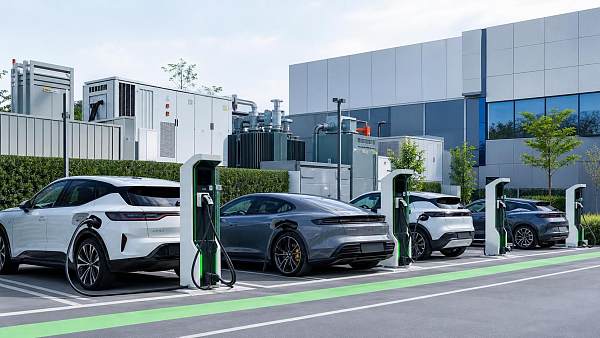
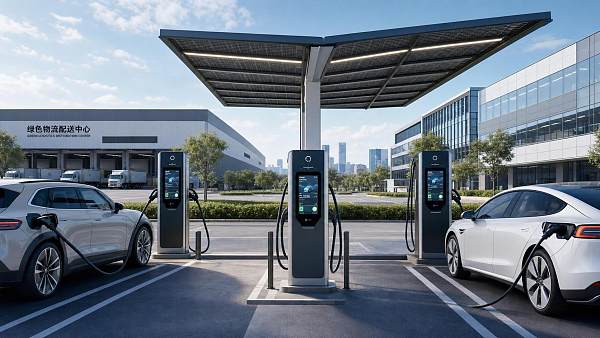
On October 1, 2026, Germany’s revised charging infrastructure rules begin to change the compliance baseline for public DC fast charging projects. The update connects public fast chargers at 50 kW and above with ISO 15118-20 V2G communication capability and a TÜV Rheinland certification requirement, making this relevant not only for charging equipment manufacturers, but also for procurement teams, certification service providers, component suppliers, and export-oriented businesses tracking market access conditions. What deserves closer attention is that this is not just a product feature issue; it directly affects technical specifications, certification preparation, and delivery readiness for new and upgraded public charging assets.
What the revised rule now requires
The confirmed facts are limited but clear. Germany’s Federal Ministry for Economic Affairs announced an amendment to the Charging Infrastructure Act on July 15, 2026. Under that amendment, from October 1, 2026, all newly built or upgraded public DC fast charging stations rated at 50 kW or above must integrate V2G bidirectional communication functionality compliant with ISO 15118-20. The amendment also requires TÜV Rheinland certification. The summary provided further indicates that the revision is expected to accelerate demand for liquid-cooled ultra-fast charging terminals, intelligent power scheduling modules, and V2G-compatible BMS solutions, while opening a new entry point in technology upgrades and certification services for Chinese EV charging equipment manufacturers.
Where the rule change is likely to be felt first
Technical specification pressure will move upstream
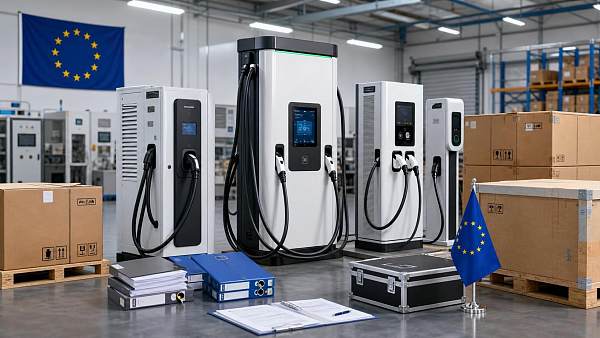
From an industry perspective, charging equipment manufacturers and system integrators are likely to be affected first because the rule shifts V2G communication from an optional capability into a compliance-linked requirement for relevant public fast charging projects. The practical impact is likely to appear in hardware and software specification alignment, interface design, documentation completeness, and project acceptance readiness. For companies supplying into this segment, closer attention will be needed on whether technical files, product descriptions, and bid materials clearly reflect ISO 15118-20 compatibility and the certification path tied to TÜV Rheinland.
Component demand may become more compliance-driven
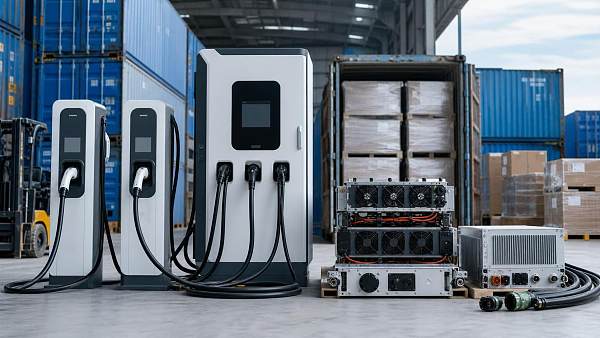
Analysis shows that suppliers of liquid-cooled ultra-fast charging terminals, intelligent power scheduling modules, and V2G-compatible BMS may face changes in how buyers define procurement requirements. The issue is not only demand direction, but also whether supplied components can support an end product that meets the required communication function and certification process. For procurement and supply-chain teams, that may translate into stricter review of component compatibility, supporting test materials, and delivery coordination tied to certification timing.
Certification and testing services gain a more operational role
Certification-related businesses and testing service providers may also see a more direct role in transaction timing and market entry preparation. Because TÜV Rheinland certification is explicitly named in the provided summary, the compliance workflow is likely to matter earlier in the sales and delivery cycle. Exporters and manufacturers targeting this market may therefore need to pay closer attention to application sequencing, technical dossier preparation, and whether internal validation work is sufficient before formal certification steps begin.
Trade and delivery risk may shift from price to readiness
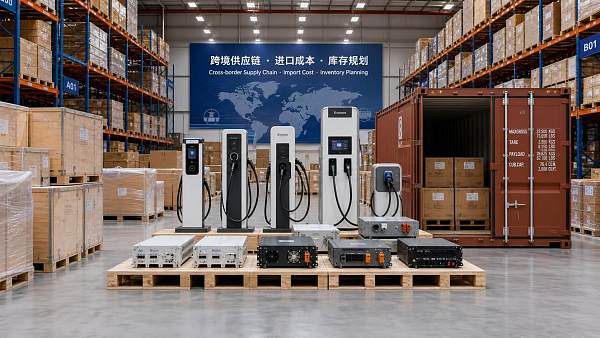
For export-oriented suppliers, especially those using Germany as a target public charging market, the immediate issue may be less about headline demand and more about whether products remain commercially usable under revised project requirements. Observably, when a rule change is tied to both a technical standard and a named certification route, contract execution, shipment planning, and after-sales commitments can become more sensitive to compliance readiness. That means commercial teams may need to watch not only order volume, but also whether technical compliance evidence and certification status affect delivery windows and customer acceptance conditions.
What companies should be checking now
Review whether product claims match the new compliance threshold
Analysis shows that manufacturers and exporters should first verify whether existing public fast charging products for the relevant power range can credibly support ISO 15118-20 V2G bidirectional communication. If that alignment is incomplete, the issue may extend beyond engineering into sales materials, tender responses, and delivery commitments.
Prepare certification files and technical documentation earlier
Because TÜV Rheinland certification is named in the rule summary, companies should pay attention to how technical files, test reports, product architecture descriptions, and interface documentation are organized. The input does not provide the detailed execution process, so it would be premature to treat any specific documentation set as final. Still, earlier preparation is likely to reduce friction once customers or project owners begin asking for clearer proof of conformity.
Watch procurement language and tender specifications
What deserves closer attention is whether buyers of public fast charging systems begin translating the revised rule into stricter purchasing language. Even without additional official detail in the input, companies should monitor whether procurement documents, technical bid requirements, and supplier qualification conditions start referencing ISO 15118-20 V2G capability or TÜV Rheinland certification more explicitly.
Reassess delivery planning and after-sales responsibility
Observably, once a rule change affects newly built and upgraded public fast charging stations, suppliers may need to reconsider delivery schedules, installation support, software update responsibility, and traceability expectations. The provided information does not confirm how these points will be enforced in practice, so they should be treated as compliance watchpoints rather than settled requirements.
Why this looks like an execution signal, not just a policy headline
From an industry perspective, this development is more appropriately understood as an execution-oriented rule change than as a general policy statement. The reason is that the provided information includes a defined effective date, a defined application scope for public DC fast chargers at 50 kW and above, a named technical standard, and a named certification body. At the same time, analysis also shows that the market still needs to observe how this requirement is reflected in project documents, certification practice, and supplier screening. In that sense, the rule appears actionable, but its operational interpretation still deserves continued monitoring.
How to read the market significance at this stage
A balanced reading of this event is that Germany has raised the practical compliance threshold for relevant public fast charging infrastructure from Q4 2026 onward. For the industry, the significance lies less in abstract support for V2G and more in the fact that product capability, certification preparation, and project delivery may become more tightly linked. It is more appropriate to understand this as a confirmed rule change with immediate relevance for compliance planning, while keeping expectations measured until implementation details, procurement behavior, and market feedback become clearer.
Basis of this article and what still needs verification
This article is generated from the user-provided news title, event date, and event summary. For developments of this type, relevant source categories typically include official government announcements, regulator publications, trade or customs authority information, industry association releases, standard-setting organization documents, certification body updates, and reporting by authoritative trade media. No specific official source link was provided in the input, so the exact official link remains to be verified on an ongoing basis. Continued attention should also be paid to any later clarification on implementation details, certification interpretation, tender document changes, industry feedback, and how companies execute against the new requirement.
Questions about market trends? Contact Market Scope Live for deeper business insights.
We respect your privacy. Your information is strictly confidential.
Related News
 EV Charging InfrastructureIndian Minister Proposes Lower EV Charging Rates to Encourage AdoptionIndia EV charging rates could fall in Maharashtra under Nitin Gadkari’s proposal. Explore the potential impact on drivers, fleets and charging operators.MORE+
 EV Charging InfrastructureEV Charging for Industrial Parks: Sizing Capacity and Managing Peak LoadsPlan industrial parks EV charging with confidence. Learn how to size capacity, manage peak loads, reduce demand costs, and keep fleets ready without disrupting production.MORE+
 EV Charging InfrastructureArlington County, Virginia, to Raise Public EV Charging Rates by 72%Arlington County public EV charging rates will rise 72% to $0.30/kWh on November 1, 2026. Explore the potential impact on fleet budgets and how businesses can prepare.MORE+
 EV Charging InfrastructurePlanning Solar EV Charging Hubs: Sizing PV, Battery Storage, and Grid CapacityPlan solar EV charging hubs with confidence. Learn how to size PV, battery storage, and grid capacity to meet peak demand, control costs, and support reliable charging.MORE+
 EV Charging InfrastructureChery Unveils 1.44 MW Charging System, Claims 500 km of Range in Five MinutesChery’s 1.44 MW charging system claims 500 km of range in five minutes. Explore its ultrafast EV charging technology, vehicle compatibility and global rollout plans.MORE+
 EV Charging InfrastructureComparing EV Charging Equipment Manufacturers: Warranty, Lead Times, and SupportCompare EV charging equipment manufacturers on warranty coverage, lead times, and support. Discover how to reduce downtime, uncover hidden costs, and choose the right supplier.MORE+
 EV Charging InfrastructurePlanning Urban EV Charging Hubs: Site Selection, Power Needs, and Charger MixPlan urban EV charging hubs with confidence. Discover how to select sites, size power capacity, and balance AC/DC chargers to control costs and deliver reliable charging.MORE+
 EV Charging InfrastructureHow to Plan Charging Corridors for Fleet Routes, Grid Capacity, and Future DemandCharging corridor infrastructure planning helps fleets align routes, grid capacity, reliable charging, and scalable site design for future demand.MORE+
 EV Charging InfrastructureHow to Size Fast EV Charging Equipment for Fleet Depots Without OverbuildingFast EV charging equipment for fleet depots: learn how to match power, charging windows, grid capacity, and smart controls without costly overbuilding.MORE+
 EV Charging InfrastructureHow to Plan EV Charging Infrastructure in Indonesia for Fleet and Public SitesCharging infrastructure planning in Indonesia for fleet and public sites: optimize energy, grid capacity, smart load management, safety, and scalable EV charging.MORE+
 EV Charging InfrastructureHow to Size DC EV Charging Equipment for Fleet Depots and Peak DemandDC EV charging equipment sizing guide for fleet depots: balance energy demand, peak loads, utility limits, smart charging, and scalable growth.MORE+
 EV Charging InfrastructureAre EV Charger Payment Systems Interoperable Across Regions?Are there interoperability standards for EV charger payment systems across regions? Explore OCPP, OCPI, Plug & Charge, roaming, and payment strategies for seamless EV charging.MORE+
 EV Charging InfrastructureHow to Evaluate Total Cost of Ownership for a Fleet DC Charging DepotHow to evaluate total cost of ownership for a fleet DC charging depot: compare grid costs, tariffs, uptime, smart charging, and scalable infrastructure.MORE+
 EV Charging InfrastructurePublic Charging Infrastructure Planning: Site Criteria, Grid Capacity, and UtilizationPublic charging infrastructure planning made practical: evaluate site access, grid capacity, utilization, and scalable design to build reliable, investable EV charging hubs.MORE+
 EV Charging InfrastructureHow Behind-the-Meter Energy Systems for EV Charging Cut Peak-Demand CostsBehind the meter energy systems for EV charging help cut peak-demand costs, defer grid upgrades, and improve charging reliability with storage and smart controls.MORE+
 EV Charging InfrastructureIs Building a Public EV Charging Network in Rural Areas Financially Viable?Is it financially viable to build public charging networks in rural areas? Explore grid costs, utilization, funding, AC/DC choices, and strategies for profitable rural EV charging.MORE+
 EV Charging InfrastructureHow Public EV Charging Load Management Prevents Peak Demand and Grid Overloadspublic EV charging load management prevents costly peak demand and grid overloads. Explore smarter controls, capacity planning, and scalable charging performance.MORE+
 EV Charging InfrastructureHow to Assess Long-Term EV Charger Reliability Before ProcurementHow to evaluate long-term reliability of EV chargers before procurement? Explore practical checks for uptime, grid compatibility, software stability, service support, and lifecycle costs.MORE+
 EV Charging InfrastructureIs AC Charging Still Worth Investing in for New Public Stations in 2026?Is AC charging still worth investing in for new public stations in 2026? Explore where smart, managed AC charging delivers value, revenue, and scalable EV infrastructure.MORE+
 EV Charging InfrastructureHow to Plan Power Capacity for Highway EV Charging CorridorsHighway charging corridor power capacity planning: learn how to size grid connections, manage peak demand, use storage, and phase EV hubs for reliable, scalable growth.MORE+
 EV Charging InfrastructureWhat Is the Typical BMS Failure Rate in EV Charging Equipment?Battery management system failure rate in charging equipment: learn what BMS faults mean, key risks, and how to protect EV charger uptime.MORE+
 EV Charging InfrastructureHow Should Fleet Depot Charging Stations Be Laid Out?Fleet depot charging station layout design guidelines for safer vehicle flow, smart power use, scalable infrastructure, and reliable fleet readiness. Explore practical planning tips.MORE+
 EV Charging InfrastructureDC Fast Chargers vs Liquid-Cooled Ultra-Fast Chargers in 2026DC fast charger vs liquid-cooled ultra-fast charging stations 2026: compare power, costs, grid demands, uptime, and ideal deployment scenarios for smarter EV infrastructure.MORE+
 EV Charging InfrastructureWhat Does the Global EcoPower Charging Intelligence Platform Do?Global EcoPower EV charging infrastructure intelligence platform delivers actionable insights on grid capacity, storage, technology, risk, and profitable charging project planning.MORE+
 EV Charging InfrastructureHow Global EcoPower Manages Energy Across EV Charging NetworksGlobal EcoPower energy management systems for charging networks optimize EV charging with dynamic load control, storage, solar integration, and reliable data insights.MORE+
 EV Charging InfrastructureWhat Switchgear Specifications Are Needed for a 500 kW Charging Site?What switchgear specifications are required for a 500kW charging installation? Explore load sizing, transformer selection, fault ratings, protection, and expansion planning.MORE+
 EV Charging InfrastructureWhich Communication Protocols Matter When Mixing Charger Brands?What communication protocols matter most when mixing charger brands at one station? Explore OCPP, OCPI, ISO 15118, and energy controls for reliable interoperability.MORE+
 EV Charging InfrastructureWhat Grid Connection Capacity Does a 10-Bay Fast Charging Hub Need?What grid connection capacity is needed for a 10-bay fast charging hub? Explore demand, power sharing, batteries, and scalable planning for reliable EV charging.MORE+
 EV Charging InfrastructureHow to Plan EV Charging Systems for Apartments Without Overloading the Building?EV charging systems for apartments start with capacity, not charger count. Learn how to prevent overloads, use smart load management, and plan scalable charging that fits your building.MORE+
 EV Charging InfrastructureHow City Charging Infrastructure Planning Can Reduce Costs and Avoid Grid BottlenecksCharging infrastructure planning for cities helps cut costs, avoid grid bottlenecks, and speed EV rollout with smarter, scalable deployment.MORE+
 EV Charging InfrastructureEU Mandates EN 61851-23:2026 for EV ChargersEU Mandates EN 61851-23:2026 for EV Chargers: learn how the new EU rule impacts certification, customs clearance, and market access before October 2026.MORE+
 EV Charging InfrastructureITC Ruling Puts Chinese EV Chargers Under 337 PressureITC ruling on Chinese EV chargers puts Section 337 pressure on imports, compliance, and OEM supply chains. Learn how patent risks may impact U.S. customs, distributors, and EV charger sourcing.MORE+
 EV Charging InfrastructureHow EV Charging Technology Affects Charging Speed, Compatibility, and Site PlanningEV charging technology shapes real charging speed, vehicle compatibility, and site planning. Learn how to avoid costly design mistakes and build charging projects that perform.MORE+
 EV Charging InfrastructureUS Requires UL 1741 SA-2025 EVSE ModulesUS Requires UL 1741 SA-2025 EVSE Modules for imported DC fast chargers. Learn how V2G, FCC+UL testing, and firmware compliance will reshape US market access.MORE+
 EV Charging InfrastructureUSTR Opens Section 301 Review on China EV ChargersUSTR Opens Section 301 Review on China EV Chargers: learn how the 25% tariff review may affect import costs, customs compliance, and procurement timing across EV charging and BESS supply chains.MORE+
 EV Charging InfrastructureHow to Plan Fleet Charging Infrastructure for Logistics Depots and Delivery HubsFleet charging infrastructure for logistics starts with duty cycles, dwell time, and grid limits. Learn how to design depot and hub charging that cuts bottlenecks and supports scalable fleet electrification.MORE+
 EV Charging InfrastructureWhat Is Load Management in EV Charging and How Does It Reduce Peak Power Costs?Load management in EV charging helps control peak demand, lower grid upgrade pressure, and cut costly power spikes. Learn how smart power allocation improves site economics.MORE+
 EV Charging InfrastructureHow to Evaluate an EV Charging Software Platform for Multi-Site Charging OperationsEV charging software platform evaluation made practical: learn how to assess interoperability, load management, billing, security, and scalability for multi-site charging operations.MORE+
 EV Charging InfrastructureUSTR Opens 301 Review on China EV Charging GearUSTR opens a Section 301 review on China EV charging gear, putting tariffs, import costs, pricing, and inventory plans at risk. See what US importers and distributors should watch now.MORE+
 EV Charging InfrastructureEU Sets 17.1% Duty on Chinese EV ChargersEU Sets 17.1% Duty on Chinese EV Chargers: see how the new EU tariff affects EV charging equipment exports, customs costs, HS codes, and contract risks for suppliers.MORE+