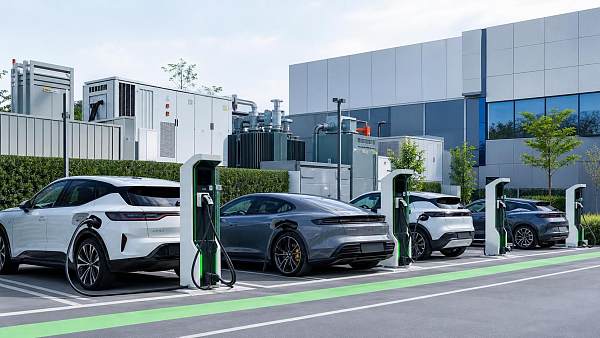
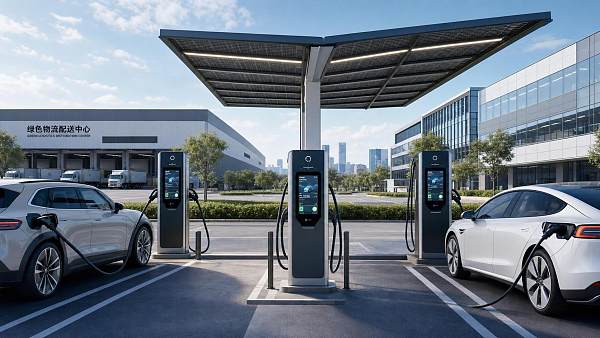
Fleet Charging Infrastructure for Depots: How to Size Power, Chargers, and Layout
Fleet Charging Infrastructure for Depots: How to Size Power, Chargers, and Layout
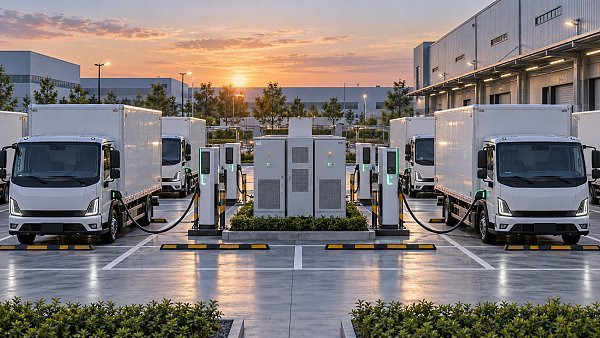
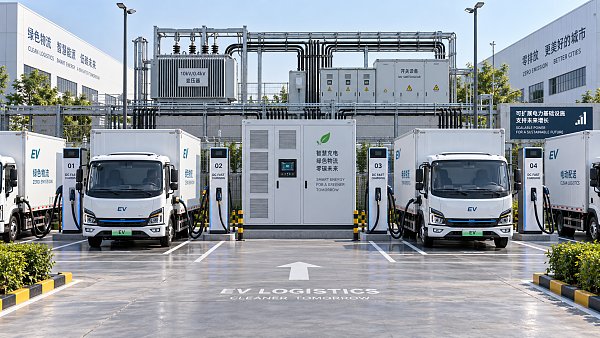
 Sizing fleet charging infrastructure for depots starts with operations, not hardware. A depot may look simple on a drawing, but power demand changes quickly once vehicles, schedules, and grid limits are mapped together.
That is why fleet charging infrastructure for depots should be treated as an integrated energy system. Charger quantity alone does not determine success. Duty cycle, arrival pattern, dwell time, and site circulation matter just as much.
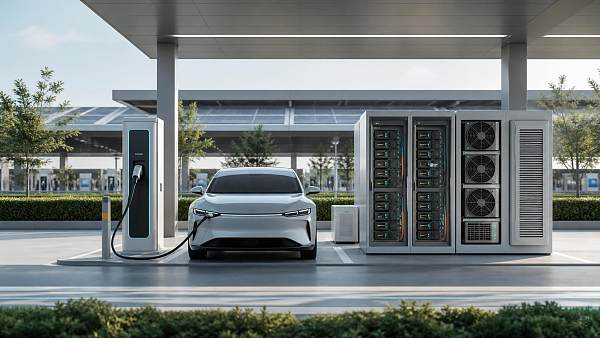
In practice, the best designs balance three questions. How much power is truly needed, which charger mix fits the fleet, and how should the depot layout support daily movement, maintenance, and future expansion.
A strong fleet charging infrastructure for depots plan also reduces stranded capacity. Oversizing electrical equipment raises capital cost. Undersizing creates charging bottlenecks, operational risk, and pressure for expensive retrofit work later.
Start with the fleet profile, not the charger catalog
The first input is vehicle behavior. List vehicle types, battery sizes, daily kilometers, shift timing, arrival state of charge, and required departure state of charge. Without this, charger selection becomes guesswork.
For depot charging, the key metric is recoverable energy per charging window. A van parked overnight needs a different solution than a transit bus returning for short midday top-ups.
Build charging groups rather than a single fleet average. Mixed fleets often include vehicles with very different utilization. One average number hides peak stress and leads to poor fleet charging infrastructure for depots decisions.
- Overnight dwell fleets usually favor lower-power AC or moderate DC charging.
- High-utilization fleets often need distributed DC charging with active load management.
- Critical route vehicles may justify dedicated chargers and priority control logic.
This operational view gives a realistic basis for sizing power demand. It also helps compare phased electrification scenarios instead of designing only for day one.
How to size depot power demand realistically
Many early projects multiply charger nameplate power by charger count. That approach is easy, but it usually overstates the true peak or ignores operational coincidence.
A better method calculates daily energy demand first, then maps it into charging windows. From there, estimate diversified peak load, not theoretical maximum draw across every charger.
Use a simple sequence:
- Estimate energy consumed per vehicle per day.
- Add charging losses and seasonal margin.
- Group vehicles by actual dwell window.
- Model simultaneous charging probability.
- Check peak demand against grid connection capacity.
Seasonality matters more than many teams expect. Winter HVAC loads, battery temperature management, and lower charging efficiency can raise effective power needs. A depot that works in spring may struggle in cold months.
This is where smart fleet charging infrastructure for depots earns its value. Managed charging can stagger demand, prioritize critical vehicles, and keep the site below contracted import limits.
If the grid connection is constrained, compare three paths. Increase utility capacity, use energy storage, or reshape charging schedules. The right answer depends on tariff structure, reliability needs, and project timeline.
Key power planning checks
- Existing transformer loading and spare capacity.
- Utility interconnection lead time.
- Time-of-use tariff exposure.
- Power quality and harmonics requirements.
- Future fleet growth over three to five years.
Choose the right charger mix for the duty cycle
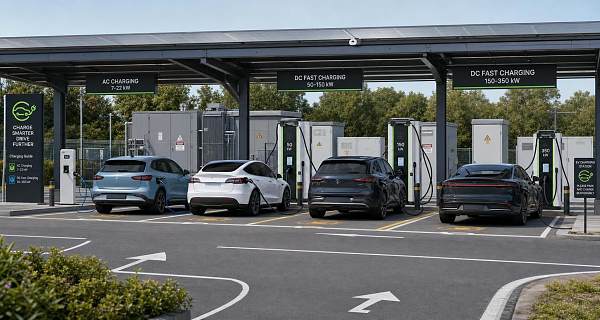
Fleet charging infrastructure for depots usually performs best with a charger mix, not a single charger type. The ideal mix depends on dwell time, route certainty, and how often vehicles return to base.
AC charging fits long parking durations and lower daily energy demand. It is often lower cost per parking bay and easier to distribute across large depots.
DC charging fits shorter windows, heavier vehicles, and tighter dispatch schedules. It improves energy recovery speed, but it raises electrical concentration and thermal management demands.
For many operators, the practical answer is layered capacity. Most vehicles use lower-cost routine charging, while a smaller number of higher-power chargers handle exceptions, delays, or priority departures.
A useful test is charger utilization under disruption. If one charger fails, can the depot still recover enough energy before the next dispatch cycle? Reliable fleet charging infrastructure for depots always includes redundancy logic.
Depot layout is an electrical decision and an operational one
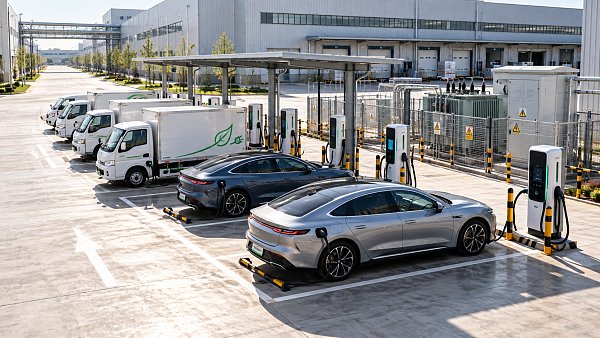
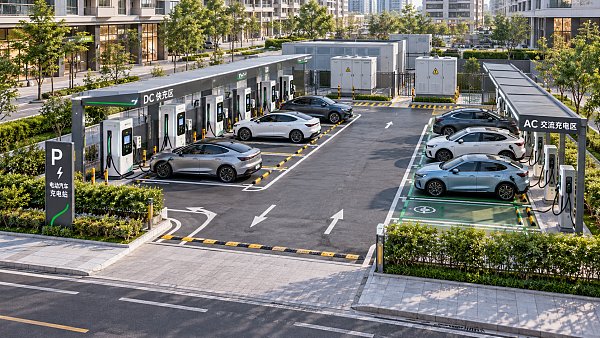
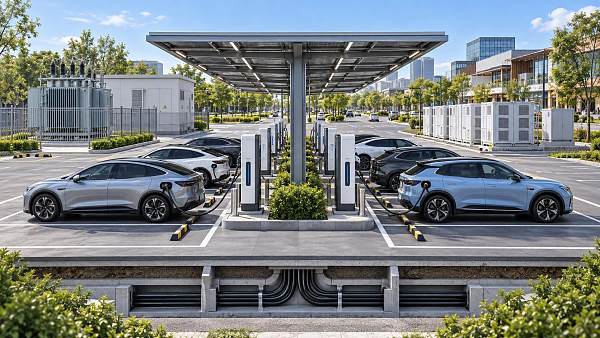
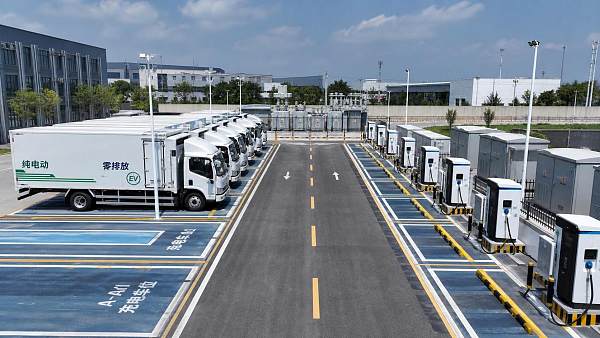
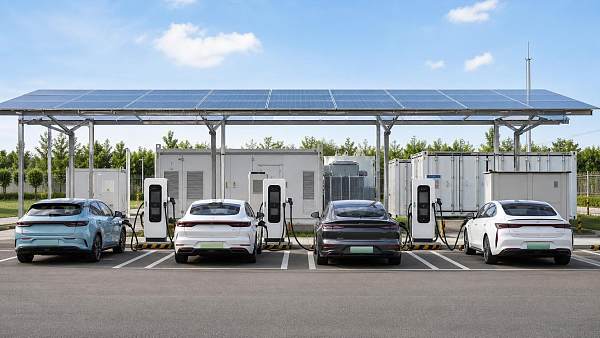
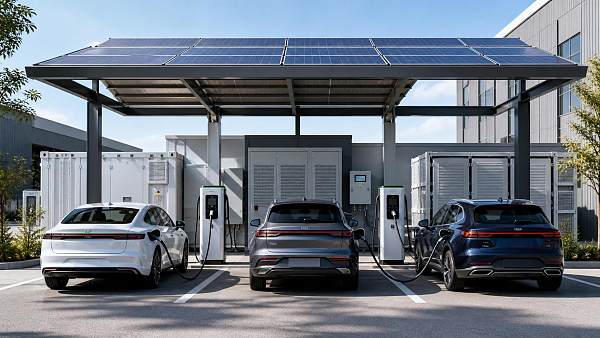
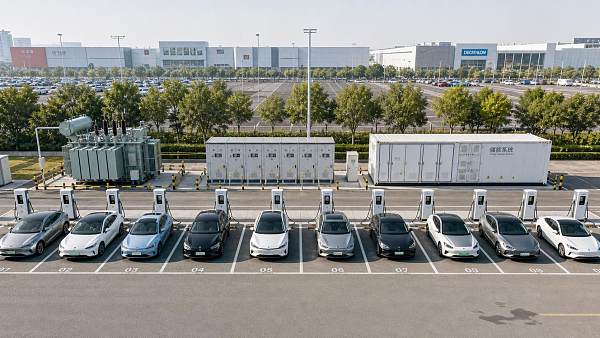
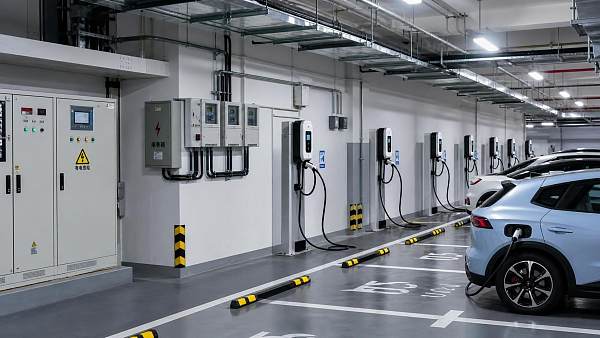
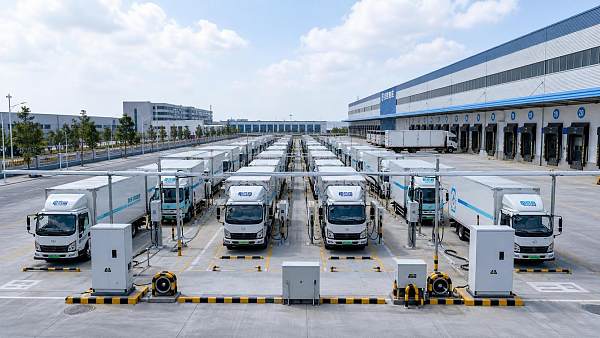
Layout errors are expensive because civil works, trenching, and circulation changes are difficult to undo. Charger location should follow traffic flow, parking geometry, cable reach, and maintenance access.
A compact electrical layout lowers cable length and installation cost. Yet the shortest cable path is not always the best operational layout. Reversing, blocking, and queue formation can quietly reduce depot throughput.
For fleet charging infrastructure for depots, layout reviews should include transport operations, electrical engineering, safety, and maintenance teams. Each group sees different failure points.
Practical layout rules
- Keep charger pedestals clear of turning paths and mirror sweep zones.
- Avoid cable routes that cross walkways or service lanes.
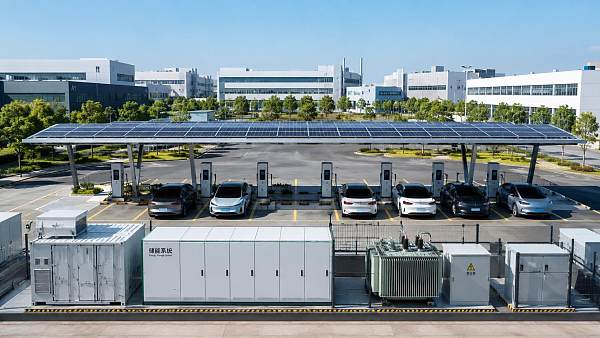
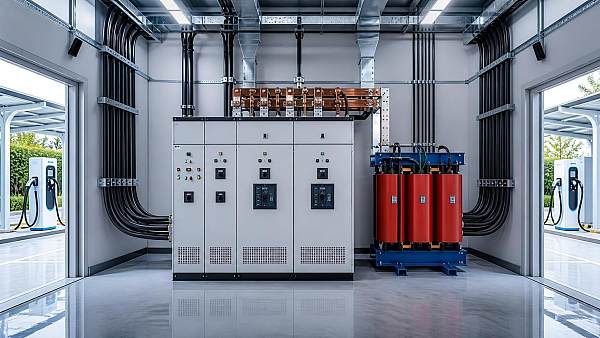
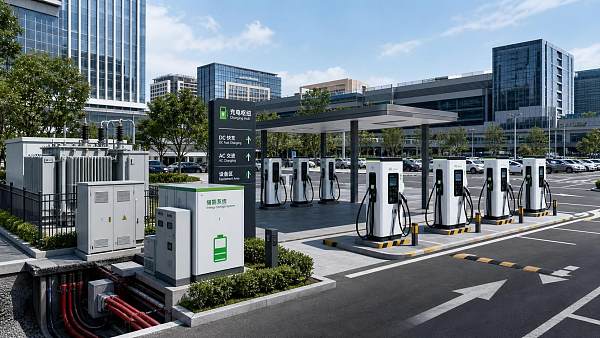
- Reserve space for switchgear, transformers, and future charger additions.
- Maintain access for emergency response and maintenance vehicles.
- Separate routine charging bays from fast-turnaround priority bays.
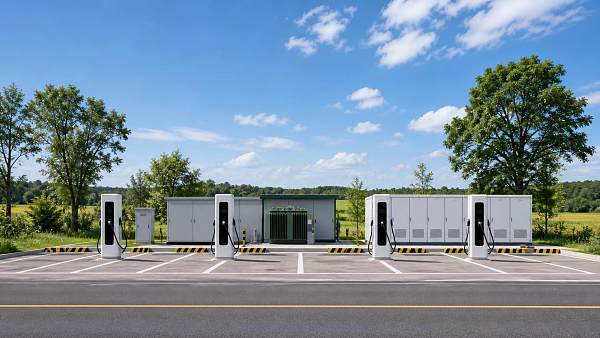
The more obvious signal is future growth. If the depot will electrify in phases, protect expansion corridors early. Spare ducting and reserved pad area often cost far less than later rework.
Use controls, energy storage, and phasing to reduce project risk
Not every site can secure a large grid upgrade quickly. This is common in logistics hubs, bus depots, and urban industrial zones. In those cases, control strategy becomes part of the infrastructure design.
Smart charging software can cap site demand, schedule charging by departure time, and shift flexible loads away from expensive tariff periods. That makes fleet charging infrastructure for depots more resilient and more economical.
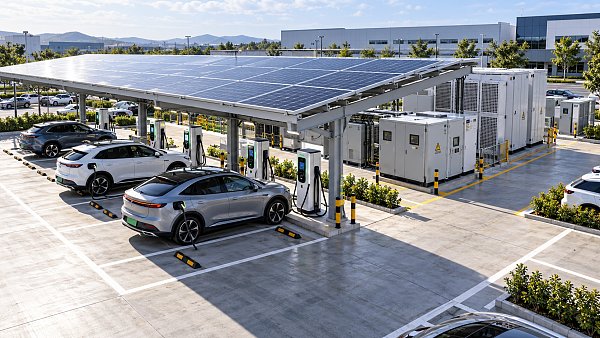
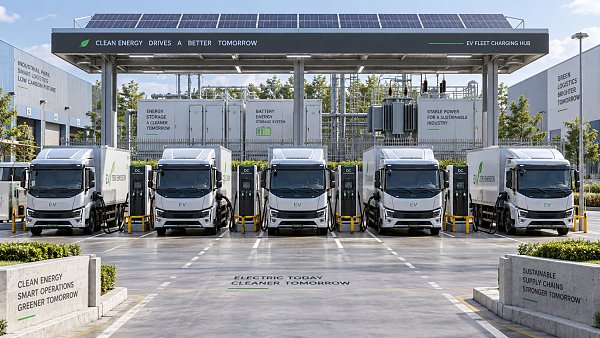
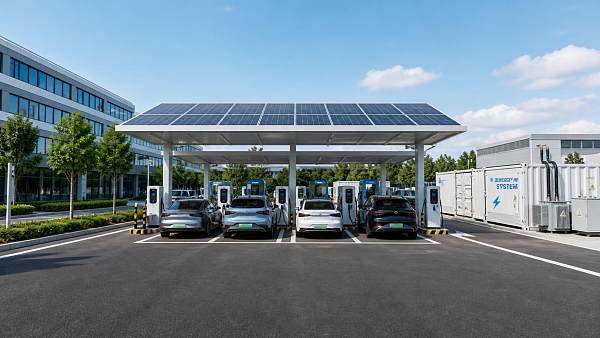
Battery energy storage can also help, especially where demand charges are high or utility reinforcement is delayed. It is not always the cheapest answer, but it can unlock earlier fleet deployment.
Phasing is equally important. Design the first build so that later expansion does not require a full shutdown. Transformers, switchboards, and communication architecture should be reviewed against the final fleet target.
Common risk points
- Ignoring charging efficiency losses in energy forecasts.
- Assuming every bay needs the same charger power.
- Leaving no spare capacity for route growth.
- Treating software controls as an afterthought.
- Underestimating commissioning and interoperability checks.
A practical evaluation framework for better depot outcomes
A workable fleet charging infrastructure for depots strategy connects energy, vehicles, and site operations in one model. That model should be simple enough to update, but detailed enough to test real constraints.
The most effective evaluations usually follow a clear sequence. Confirm fleet duty cycle, calculate daily and peak energy needs, test charger mix options, validate layout, and stress-test future expansion.
This approach avoids both overbuilding and operational fragility. It also creates better alignment between engineering, procurement, and long-term asset management.
For organizations planning electrification at scale, fleet charging infrastructure for depots is no longer a side utility. It is a core part of transport reliability, energy cost control, and infrastructure performance.
The practical next step is straightforward. Build the charging design around real operating data, then use that data to size power, select chargers, and lock in a depot layout that can grow without disruption.
Questions about market trends? Contact Market Scope Live for deeper business insights.
We respect your privacy. Your information is strictly confidential.
Related News
 EV Charging InfrastructureIndian Minister Proposes Lower EV Charging Rates to Encourage AdoptionIndia EV charging rates could fall in Maharashtra under Nitin Gadkari’s proposal. Explore the potential impact on drivers, fleets and charging operators.MORE+
 EV Charging InfrastructureEV Charging for Industrial Parks: Sizing Capacity and Managing Peak LoadsPlan industrial parks EV charging with confidence. Learn how to size capacity, manage peak loads, reduce demand costs, and keep fleets ready without disrupting production.MORE+
 EV Charging InfrastructureArlington County, Virginia, to Raise Public EV Charging Rates by 72%Arlington County public EV charging rates will rise 72% to $0.30/kWh on November 1, 2026. Explore the potential impact on fleet budgets and how businesses can prepare.MORE+
 EV Charging InfrastructurePlanning Solar EV Charging Hubs: Sizing PV, Battery Storage, and Grid CapacityPlan solar EV charging hubs with confidence. Learn how to size PV, battery storage, and grid capacity to meet peak demand, control costs, and support reliable charging.MORE+
 EV Charging InfrastructureChery Unveils 1.44 MW Charging System, Claims 500 km of Range in Five MinutesChery’s 1.44 MW charging system claims 500 km of range in five minutes. Explore its ultrafast EV charging technology, vehicle compatibility and global rollout plans.MORE+
 EV Charging InfrastructureComparing EV Charging Equipment Manufacturers: Warranty, Lead Times, and SupportCompare EV charging equipment manufacturers on warranty coverage, lead times, and support. Discover how to reduce downtime, uncover hidden costs, and choose the right supplier.MORE+
 EV Charging InfrastructurePlanning Urban EV Charging Hubs: Site Selection, Power Needs, and Charger MixPlan urban EV charging hubs with confidence. Discover how to select sites, size power capacity, and balance AC/DC chargers to control costs and deliver reliable charging.MORE+
 EV Charging InfrastructureHow to Plan Charging Corridors for Fleet Routes, Grid Capacity, and Future DemandCharging corridor infrastructure planning helps fleets align routes, grid capacity, reliable charging, and scalable site design for future demand.MORE+
 EV Charging InfrastructureHow to Size Fast EV Charging Equipment for Fleet Depots Without OverbuildingFast EV charging equipment for fleet depots: learn how to match power, charging windows, grid capacity, and smart controls without costly overbuilding.MORE+
 EV Charging InfrastructureHow to Plan EV Charging Infrastructure in Indonesia for Fleet and Public SitesCharging infrastructure planning in Indonesia for fleet and public sites: optimize energy, grid capacity, smart load management, safety, and scalable EV charging.MORE+
 EV Charging InfrastructureHow to Size DC EV Charging Equipment for Fleet Depots and Peak DemandDC EV charging equipment sizing guide for fleet depots: balance energy demand, peak loads, utility limits, smart charging, and scalable growth.MORE+
 EV Charging InfrastructureAre EV Charger Payment Systems Interoperable Across Regions?Are there interoperability standards for EV charger payment systems across regions? Explore OCPP, OCPI, Plug & Charge, roaming, and payment strategies for seamless EV charging.MORE+
 EV Charging InfrastructureHow to Evaluate Total Cost of Ownership for a Fleet DC Charging DepotHow to evaluate total cost of ownership for a fleet DC charging depot: compare grid costs, tariffs, uptime, smart charging, and scalable infrastructure.MORE+
 EV Charging InfrastructurePublic Charging Infrastructure Planning: Site Criteria, Grid Capacity, and UtilizationPublic charging infrastructure planning made practical: evaluate site access, grid capacity, utilization, and scalable design to build reliable, investable EV charging hubs.MORE+
 EV Charging InfrastructureHow Behind-the-Meter Energy Systems for EV Charging Cut Peak-Demand CostsBehind the meter energy systems for EV charging help cut peak-demand costs, defer grid upgrades, and improve charging reliability with storage and smart controls.MORE+
 EV Charging InfrastructureIs Building a Public EV Charging Network in Rural Areas Financially Viable?Is it financially viable to build public charging networks in rural areas? Explore grid costs, utilization, funding, AC/DC choices, and strategies for profitable rural EV charging.MORE+
 EV Charging InfrastructureHow Public EV Charging Load Management Prevents Peak Demand and Grid Overloadspublic EV charging load management prevents costly peak demand and grid overloads. Explore smarter controls, capacity planning, and scalable charging performance.MORE+
 EV Charging InfrastructureHow to Assess Long-Term EV Charger Reliability Before ProcurementHow to evaluate long-term reliability of EV chargers before procurement? Explore practical checks for uptime, grid compatibility, software stability, service support, and lifecycle costs.MORE+
 EV Charging InfrastructureIs AC Charging Still Worth Investing in for New Public Stations in 2026?Is AC charging still worth investing in for new public stations in 2026? Explore where smart, managed AC charging delivers value, revenue, and scalable EV infrastructure.MORE+
 EV Charging InfrastructureHow to Plan Power Capacity for Highway EV Charging CorridorsHighway charging corridor power capacity planning: learn how to size grid connections, manage peak demand, use storage, and phase EV hubs for reliable, scalable growth.MORE+
 EV Charging InfrastructureWhat Is the Typical BMS Failure Rate in EV Charging Equipment?Battery management system failure rate in charging equipment: learn what BMS faults mean, key risks, and how to protect EV charger uptime.MORE+
 EV Charging InfrastructureHow Should Fleet Depot Charging Stations Be Laid Out?Fleet depot charging station layout design guidelines for safer vehicle flow, smart power use, scalable infrastructure, and reliable fleet readiness. Explore practical planning tips.MORE+
 EV Charging InfrastructureDC Fast Chargers vs Liquid-Cooled Ultra-Fast Chargers in 2026DC fast charger vs liquid-cooled ultra-fast charging stations 2026: compare power, costs, grid demands, uptime, and ideal deployment scenarios for smarter EV infrastructure.MORE+
 EV Charging InfrastructureWhat Does the Global EcoPower Charging Intelligence Platform Do?Global EcoPower EV charging infrastructure intelligence platform delivers actionable insights on grid capacity, storage, technology, risk, and profitable charging project planning.MORE+
 EV Charging InfrastructureHow Global EcoPower Manages Energy Across EV Charging NetworksGlobal EcoPower energy management systems for charging networks optimize EV charging with dynamic load control, storage, solar integration, and reliable data insights.MORE+
 EV Charging InfrastructureWhat Switchgear Specifications Are Needed for a 500 kW Charging Site?What switchgear specifications are required for a 500kW charging installation? Explore load sizing, transformer selection, fault ratings, protection, and expansion planning.MORE+
 EV Charging InfrastructureWhich Communication Protocols Matter When Mixing Charger Brands?What communication protocols matter most when mixing charger brands at one station? Explore OCPP, OCPI, ISO 15118, and energy controls for reliable interoperability.MORE+
 EV Charging InfrastructureWhat Grid Connection Capacity Does a 10-Bay Fast Charging Hub Need?What grid connection capacity is needed for a 10-bay fast charging hub? Explore demand, power sharing, batteries, and scalable planning for reliable EV charging.MORE+
 EV Charging InfrastructureHow to Plan EV Charging Systems for Apartments Without Overloading the Building?EV charging systems for apartments start with capacity, not charger count. Learn how to prevent overloads, use smart load management, and plan scalable charging that fits your building.MORE+
 EV Charging InfrastructureHow City Charging Infrastructure Planning Can Reduce Costs and Avoid Grid BottlenecksCharging infrastructure planning for cities helps cut costs, avoid grid bottlenecks, and speed EV rollout with smarter, scalable deployment.MORE+
 EV Charging InfrastructureEU Mandates EN 61851-23:2026 for EV ChargersEU Mandates EN 61851-23:2026 for EV Chargers: learn how the new EU rule impacts certification, customs clearance, and market access before October 2026.MORE+
 EV Charging InfrastructureITC Ruling Puts Chinese EV Chargers Under 337 PressureITC ruling on Chinese EV chargers puts Section 337 pressure on imports, compliance, and OEM supply chains. Learn how patent risks may impact U.S. customs, distributors, and EV charger sourcing.MORE+
 EV Charging InfrastructureHow EV Charging Technology Affects Charging Speed, Compatibility, and Site PlanningEV charging technology shapes real charging speed, vehicle compatibility, and site planning. Learn how to avoid costly design mistakes and build charging projects that perform.MORE+
 EV Charging InfrastructureUS Requires UL 1741 SA-2025 EVSE ModulesUS Requires UL 1741 SA-2025 EVSE Modules for imported DC fast chargers. Learn how V2G, FCC+UL testing, and firmware compliance will reshape US market access.MORE+
 EV Charging InfrastructureUSTR Opens Section 301 Review on China EV ChargersUSTR Opens Section 301 Review on China EV Chargers: learn how the 25% tariff review may affect import costs, customs compliance, and procurement timing across EV charging and BESS supply chains.MORE+
 EV Charging InfrastructureHow to Plan Fleet Charging Infrastructure for Logistics Depots and Delivery HubsFleet charging infrastructure for logistics starts with duty cycles, dwell time, and grid limits. Learn how to design depot and hub charging that cuts bottlenecks and supports scalable fleet electrification.MORE+
 EV Charging InfrastructureWhat Is Load Management in EV Charging and How Does It Reduce Peak Power Costs?Load management in EV charging helps control peak demand, lower grid upgrade pressure, and cut costly power spikes. Learn how smart power allocation improves site economics.MORE+
 EV Charging InfrastructureHow to Evaluate an EV Charging Software Platform for Multi-Site Charging OperationsEV charging software platform evaluation made practical: learn how to assess interoperability, load management, billing, security, and scalability for multi-site charging operations.MORE+
 EV Charging InfrastructureUSTR Opens 301 Review on China EV Charging GearUSTR opens a Section 301 review on China EV charging gear, putting tariffs, import costs, pricing, and inventory plans at risk. See what US importers and distributors should watch now.MORE+
 EV Charging InfrastructureEU Sets 17.1% Duty on Chinese EV ChargersEU Sets 17.1% Duty on Chinese EV Chargers: see how the new EU tariff affects EV charging equipment exports, customs costs, HS codes, and contract risks for suppliers.MORE+