Comparing EV Charging Equipment Manufacturers: Warranty, Lead Times, and Support
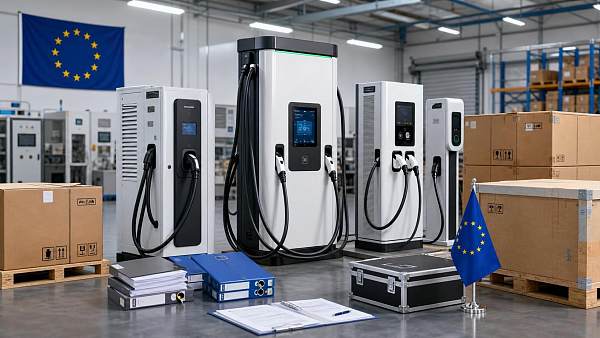
The strongest offer from EV charging equipment manufacturers is the one that makes delivery, fault recovery, and long-term operating costs predictable for the intended site. A lower equipment price can lose its advantage if warranty claims exclude field labor, delivery dates depend on an unreserved production slot, or replacement parts must travel internationally before charging can resume.
Procurement teams should therefore compare suppliers against a defined operating requirement before ranking quotations. A workplace installation that can tolerate an unavailable charger has different needs from a fleet depot where vehicles must depart on schedule. Warranty length, quoted lead time, and support availability become useful comparison points only when buyers establish what each promise covers and how it will be delivered.
Set the operating requirement before comparing promises
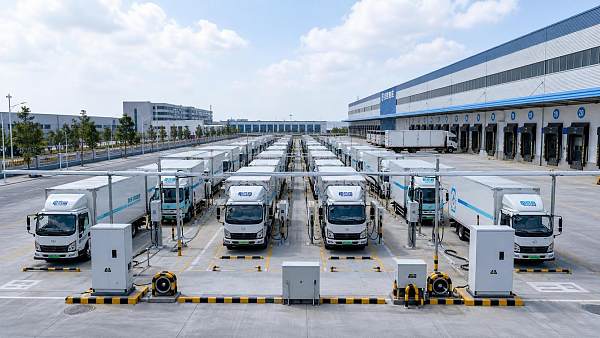
Start with the consequence of a charger being unavailable. At a depot, the relevant question may be whether the remaining equipment can charge every vehicle before departure. At a public charging site, it may be whether a failed connector reduces capacity or removes the entire location from service. These distinctions affect how much value to place on spare equipment, modular repairs, and guaranteed access to technicians.
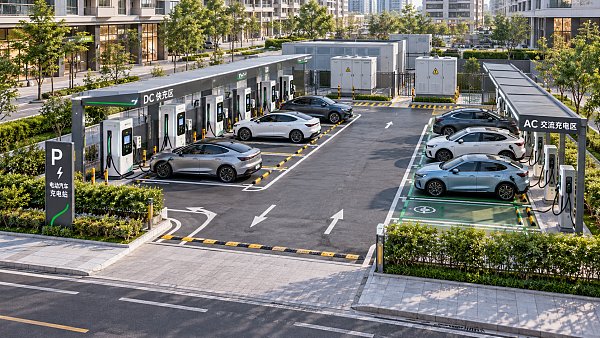
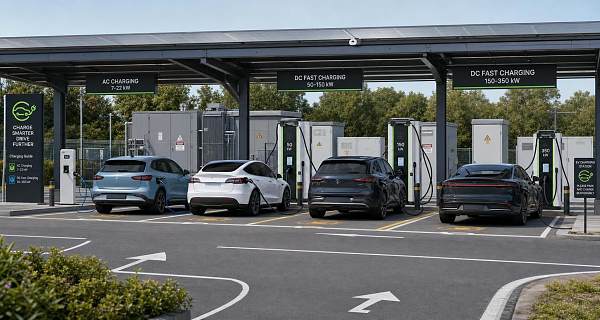
Separate AC charging and DC fast charging bids where their service requirements differ. An AC unit that can be exchanged as a complete assembly presents a different maintenance task from a DC charger containing replaceable power modules, cooling equipment, and payment hardware. Even within one product category, a shared power cabinet can create dependencies across several dispensers. Buyers need to understand the capacity lost under each plausible failure.
Issue the same project assumptions to every bidder: equipment configuration, installation environment, expected usage, commissioning date, software arrangements, and responsibility for maintenance. Include environmental conditions relevant to the site, such as salt exposure, dust, heat, or freezing temperatures. Otherwise, suppliers may price different obligations while appearing to quote comparable equipment.
Ask for the warranty document, proposed service agreement, delivery schedule, and spare-parts terms with the quotation. A sales summary is insufficient for evaluating who pays when something fails or who carries the cost of a late shipment.
Read the warranty as a division of costs and responsibilities
A warranty expressed in years says little about the expense of restoring a charger. A parts-only warranty may leave the owner paying for diagnosis, technician travel, removal, freight, reinstallation, and testing. Those costs matter particularly where equipment is remote or requires specialist service.
For each shortlisted manufacturer, map the claim from fault detection through return to service. Establish who diagnoses the fault, who authorizes replacement, who provides the component, and who pays each associated expense. This exposes gaps that a simple “parts and labor included” statement can conceal.
Check when coverage starts and what can shorten it
The warranty may begin at shipment, delivery, commissioning, or another contractual milestone. If equipment arrives before electrical works or utility connection is complete, coverage beginning at shipment can expire partly during storage. Seek a commencement provision that reflects the project schedule, while checking whether an outside time limit applies if commissioning is delayed.
Review storage conditions, installation requirements, approved service providers, preventive maintenance, and claim-notification deadlines. Ask which records must be retained. A maintenance obligation should be specific enough for the owner to budget and perform, with a clear explanation of how failure to meet it affects coverage.
Exclusions deserve attention where they overlap with the site environment or intended operation. Check the treatment of surge damage, water ingress, corrosion, vandalism, vehicle impact, cable damage, and consumable items. Establish the boundary between an excluded external event and a defect in a component intended to protect against that event.
Follow the repair process through to completion
Ask whether the manufacturer sends an advance replacement or waits to receive and inspect the failed component. Determine whether replacement stock is new, repaired, or refurbished, what coverage applies afterward, and whether the owner must provide a deposit. For a critical depot, access to an advance replacement may carry more operational value than additional warranty years with a slow return-and-repair process.
Clarify who may perform repairs. If only authorized technicians can open the equipment, obtain evidence of coverage near the installation and the applicable call-out terms. If the owner's maintenance team can replace specified modules, confirm the training, tools, diagnostic access, and documentation required to preserve coverage.
Hardware coverage also needs a clear boundary with software support. Establish responsibility for firmware defects, failed updates, and compatibility problems involving the charging management platform. A charger may be electrically functional yet unavailable to users because authorization, payment, or communication has failed. The contract should identify who leads diagnosis when several vendors are involved.
Finally, distinguish repair obligations from compensation for operational losses. Do not assume that a warranty pays for lost charging revenue, replacement transport, or missed fleet departures. Any recovery rights and liability limits need explicit contractual treatment.
Turn quoted lead times into a usable delivery commitment
A lead time becomes useful when its starting point, dependencies, and delivery endpoint are defined. “Available in eight weeks,” for example, might refer to factory completion after design approval rather than arrival at the project site. Procurement should request a dated schedule tied to the exact configuration being purchased.
Break the schedule into order acceptance, technical approval, production allocation, factory testing, shipment, site delivery, and commissioning support. Establish which activities can proceed in parallel and which require buyer approval or payment. This gives the project team a way to identify delays before they threaten energization.
Ask the manufacturer to identify the basis of its commitment. Finished equipment in stock, components allocated to an order, and a forecast production slot provide different levels of certainty. For stock offers, verify that the units match the specified connectors, electrical configuration, communications options, and destination requirements. Availability alone does not establish suitability.
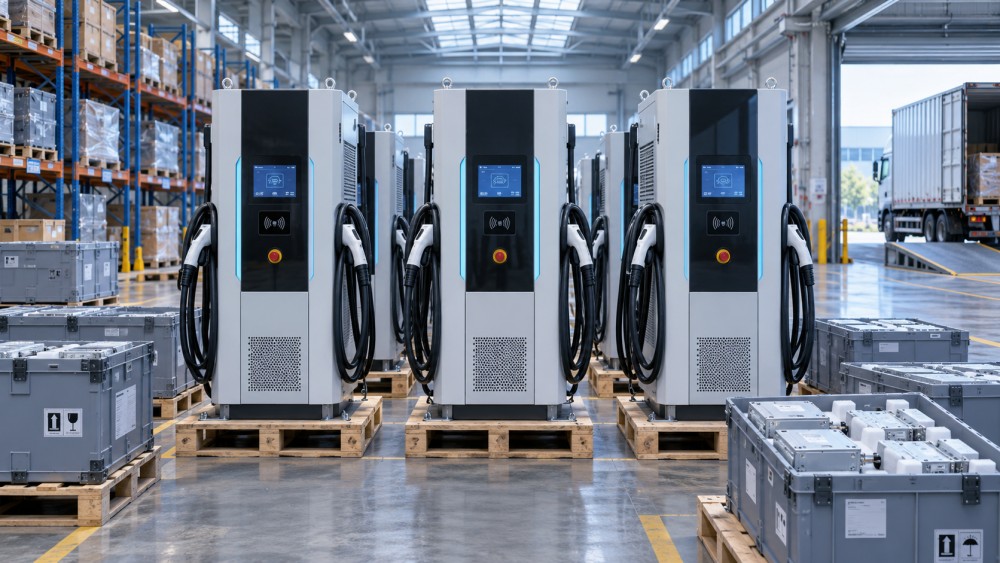
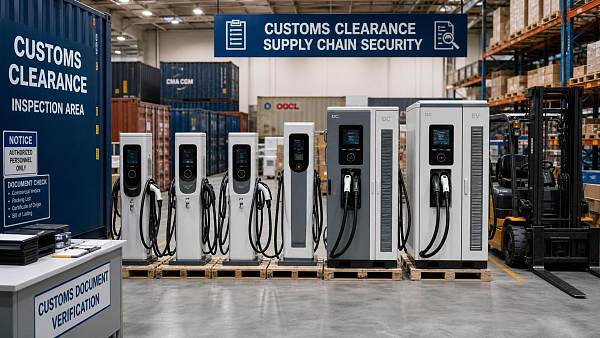
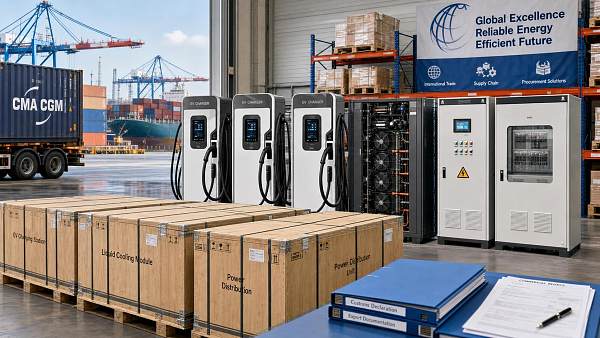
Delivery terms should show who handles freight, customs clearance, insurance, unloading, and storage. Compare suppliers at the same delivery point. A quotation ending at factory dispatch cannot be evaluated directly against one covering delivery to site without adding the remaining costs and schedule exposure.
Then connect equipment delivery to commissioning. Confirm the availability of startup personnel, platform onboarding, payment setup, and required acceptance checks. Equipment sitting on site without the resources to enter service can create the same commercial problem as equipment arriving late.
For phased projects, ask whether partial shipments create independently usable capacity. Dispensers arriving before their shared power cabinet may offer little schedule benefit. Conversely, a complete first phase may allow operations to begin while later units remain in production.
Negotiate how changes and delays will be managed: notice periods, revised schedules, substitution approval, cancellation rights, and any agreed remedies. A proposed substitute should undergo technical review because a different configuration can affect foundations, cable routing, software integration, spare parts, and training. Delivery remedies also need to reflect the project; a contractual payment may cover only part of the operational impact.
Test support capability against a realistic outage
“Local support” needs a practical definition. It could mean a staffed service operation, an independent contractor, or a distributor that forwards requests elsewhere. Ask which organization holds the service obligation, where technicians are based, what equipment they are qualified to repair, and how replacement parts reach them.
Use a concrete failure scenario during supplier evaluation: a charger stops delivering power overnight, remote recovery fails, and vehicles need charging before the morning shift. Have each bidder explain the escalation path, information required, dispatch process, parts source, and expected route back to service. The purpose is to reveal dependencies and responsibilities before they become an outage.
A service-level agreement should distinguish acknowledgment, technical response, attendance, and restoration. A rapid helpdesk acknowledgment does not establish when charging will resume. Define severity levels around operational impact, including reduced output and intermittent failures, and specify whether commitments apply outside business hours.
Check how service performance is measured. The agreement should explain when the clock starts, when it pauses, and what counts as restored service. A temporary workaround may be acceptable if it supplies enough charging capacity, but that threshold should be agreed. Availability measures also need a defined boundary: cabinet, connector, charging session, or another measurable unit.
Spare-parts arrangements deserve their own review. Ask which critical components are stocked within the service region, who owns the inventory, how replenishment works, and what happens when a component is discontinued. For charging-critical sites, compare the cost of an on-site spare kit with the operational cost of waiting for a shipment. Include storage requirements and any shelf-life or maintenance obligations.
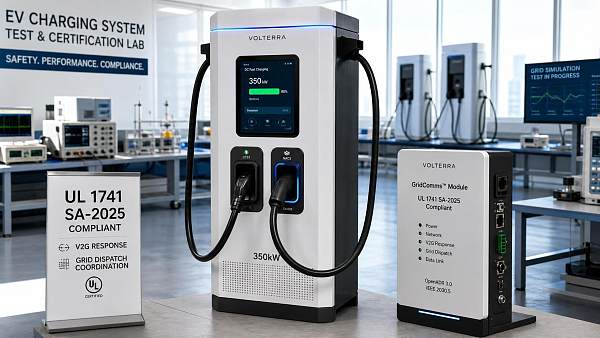
Software access can determine whether the support model remains workable over the asset's life. Confirm access to fault logs, diagnostic tools, configuration backups, and firmware support. Where backend interoperability matters, request evidence for the proposed combination of charger, software version, and management platform. A protocol claim alone does not establish that every required function works in that configuration.
Also establish the route out of the support arrangement. Buyers should understand what happens if a subscription ends, a service partner withdraws, or the manufacturer stops supporting the model. Data export, administrative access, transferable licenses, and documented migration procedures can preserve options, subject to the equipment's actual capabilities and contractual terms.
Compare the offers through cost exposure and evidence
Once the obligations are clear, build a common cost model over the intended ownership period. Include equipment, freight, commissioning, software subscriptions, preventive maintenance, service coverage, spare parts, and labor excluded from warranty. Keep fixed contractual costs separate from estimates so the apparent precision of the total does not obscure uncertain assumptions.
Use a small number of scenarios to test the ranking: delivery delayed beyond the planned opening, a component failure during warranty, and a major repair after warranty expiry. Calculate the costs allocated to the buyer under each offer. Where reliable failure-rate data are unavailable, avoid inventing probabilities; use sensitivity analysis to show how much downtime or repair expense would erase an upfront saving.
Apply minimum acceptance conditions before assigning weighted scores. A bid that cannot meet the commissioning deadline or provide a workable repair route should not recover its position through a low price. For qualifying bids, weights can reflect the site: restoration capability may dominate at a fleet depot, while a location with spare capacity may tolerate longer repair times.
Keep the shortlist review focused on evidence:
- Warranty: the governing terms, covered costs, exclusions, commencement date, and claim procedure.
- Delivery: the specified configuration, production or stock status, contractual milestones, and delivery responsibilities.
- Support: service coverage, technician qualifications, parts arrangements, escalation ownership, and measurable commitments.
- Cost: a comparable ownership model showing subscriptions, exclusions, and exposure under the selected scenarios.
A higher-priced manufacturer earns a preference when its commitments reduce a cost or operational risk that matters to the project. A lower-priced supplier can remain the sound choice where the owner has maintenance capability, replacement equipment, and enough charging redundancy to absorb a slower repair. The final negotiation should turn those assumptions into written obligations, with clear ownership of the steps required to deliver the equipment and keep it usable.
Questions about market trends? Contact Market Scope Live for deeper business insights.
We respect your privacy. Your information is strictly confidential.
Related News
 EV Charging InfrastructureIndian Minister Proposes Lower EV Charging Rates to Encourage AdoptionIndia EV charging rates could fall in Maharashtra under Nitin Gadkari’s proposal. Explore the potential impact on drivers, fleets and charging operators.MORE+
 EV Charging InfrastructureEV Charging for Industrial Parks: Sizing Capacity and Managing Peak LoadsPlan industrial parks EV charging with confidence. Learn how to size capacity, manage peak loads, reduce demand costs, and keep fleets ready without disrupting production.MORE+
 EV Charging InfrastructureArlington County, Virginia, to Raise Public EV Charging Rates by 72%Arlington County public EV charging rates will rise 72% to $0.30/kWh on November 1, 2026. Explore the potential impact on fleet budgets and how businesses can prepare.MORE+
 EV Charging InfrastructurePlanning Solar EV Charging Hubs: Sizing PV, Battery Storage, and Grid CapacityPlan solar EV charging hubs with confidence. Learn how to size PV, battery storage, and grid capacity to meet peak demand, control costs, and support reliable charging.MORE+
 EV Charging InfrastructureChery Unveils 1.44 MW Charging System, Claims 500 km of Range in Five MinutesChery’s 1.44 MW charging system claims 500 km of range in five minutes. Explore its ultrafast EV charging technology, vehicle compatibility and global rollout plans.MORE+
 EV Charging InfrastructureComparing EV Charging Equipment Manufacturers: Warranty, Lead Times, and SupportCompare EV charging equipment manufacturers on warranty coverage, lead times, and support. Discover how to reduce downtime, uncover hidden costs, and choose the right supplier.MORE+
 EV Charging InfrastructurePlanning Urban EV Charging Hubs: Site Selection, Power Needs, and Charger MixPlan urban EV charging hubs with confidence. Discover how to select sites, size power capacity, and balance AC/DC chargers to control costs and deliver reliable charging.MORE+
 EV Charging InfrastructureHow to Plan Charging Corridors for Fleet Routes, Grid Capacity, and Future DemandCharging corridor infrastructure planning helps fleets align routes, grid capacity, reliable charging, and scalable site design for future demand.MORE+
 EV Charging InfrastructureHow to Size Fast EV Charging Equipment for Fleet Depots Without OverbuildingFast EV charging equipment for fleet depots: learn how to match power, charging windows, grid capacity, and smart controls without costly overbuilding.MORE+
 EV Charging InfrastructureHow to Plan EV Charging Infrastructure in Indonesia for Fleet and Public SitesCharging infrastructure planning in Indonesia for fleet and public sites: optimize energy, grid capacity, smart load management, safety, and scalable EV charging.MORE+
 EV Charging InfrastructureHow to Size DC EV Charging Equipment for Fleet Depots and Peak DemandDC EV charging equipment sizing guide for fleet depots: balance energy demand, peak loads, utility limits, smart charging, and scalable growth.MORE+
 EV Charging InfrastructureAre EV Charger Payment Systems Interoperable Across Regions?Are there interoperability standards for EV charger payment systems across regions? Explore OCPP, OCPI, Plug & Charge, roaming, and payment strategies for seamless EV charging.MORE+
 EV Charging InfrastructureHow to Evaluate Total Cost of Ownership for a Fleet DC Charging DepotHow to evaluate total cost of ownership for a fleet DC charging depot: compare grid costs, tariffs, uptime, smart charging, and scalable infrastructure.MORE+
 EV Charging InfrastructurePublic Charging Infrastructure Planning: Site Criteria, Grid Capacity, and UtilizationPublic charging infrastructure planning made practical: evaluate site access, grid capacity, utilization, and scalable design to build reliable, investable EV charging hubs.MORE+
 EV Charging InfrastructureHow Behind-the-Meter Energy Systems for EV Charging Cut Peak-Demand CostsBehind the meter energy systems for EV charging help cut peak-demand costs, defer grid upgrades, and improve charging reliability with storage and smart controls.MORE+
 EV Charging InfrastructureIs Building a Public EV Charging Network in Rural Areas Financially Viable?Is it financially viable to build public charging networks in rural areas? Explore grid costs, utilization, funding, AC/DC choices, and strategies for profitable rural EV charging.MORE+
 EV Charging InfrastructureHow Public EV Charging Load Management Prevents Peak Demand and Grid Overloadspublic EV charging load management prevents costly peak demand and grid overloads. Explore smarter controls, capacity planning, and scalable charging performance.MORE+
 EV Charging InfrastructureHow to Assess Long-Term EV Charger Reliability Before ProcurementHow to evaluate long-term reliability of EV chargers before procurement? Explore practical checks for uptime, grid compatibility, software stability, service support, and lifecycle costs.MORE+
 EV Charging InfrastructureIs AC Charging Still Worth Investing in for New Public Stations in 2026?Is AC charging still worth investing in for new public stations in 2026? Explore where smart, managed AC charging delivers value, revenue, and scalable EV infrastructure.MORE+
 EV Charging InfrastructureHow to Plan Power Capacity for Highway EV Charging CorridorsHighway charging corridor power capacity planning: learn how to size grid connections, manage peak demand, use storage, and phase EV hubs for reliable, scalable growth.MORE+
 EV Charging InfrastructureWhat Is the Typical BMS Failure Rate in EV Charging Equipment?Battery management system failure rate in charging equipment: learn what BMS faults mean, key risks, and how to protect EV charger uptime.MORE+
 EV Charging InfrastructureHow Should Fleet Depot Charging Stations Be Laid Out?Fleet depot charging station layout design guidelines for safer vehicle flow, smart power use, scalable infrastructure, and reliable fleet readiness. Explore practical planning tips.MORE+
 EV Charging InfrastructureDC Fast Chargers vs Liquid-Cooled Ultra-Fast Chargers in 2026DC fast charger vs liquid-cooled ultra-fast charging stations 2026: compare power, costs, grid demands, uptime, and ideal deployment scenarios for smarter EV infrastructure.MORE+
 EV Charging InfrastructureWhat Does the Global EcoPower Charging Intelligence Platform Do?Global EcoPower EV charging infrastructure intelligence platform delivers actionable insights on grid capacity, storage, technology, risk, and profitable charging project planning.MORE+
 EV Charging InfrastructureHow Global EcoPower Manages Energy Across EV Charging NetworksGlobal EcoPower energy management systems for charging networks optimize EV charging with dynamic load control, storage, solar integration, and reliable data insights.MORE+
 EV Charging InfrastructureWhat Switchgear Specifications Are Needed for a 500 kW Charging Site?What switchgear specifications are required for a 500kW charging installation? Explore load sizing, transformer selection, fault ratings, protection, and expansion planning.MORE+
 EV Charging InfrastructureWhich Communication Protocols Matter When Mixing Charger Brands?What communication protocols matter most when mixing charger brands at one station? Explore OCPP, OCPI, ISO 15118, and energy controls for reliable interoperability.MORE+
 EV Charging InfrastructureWhat Grid Connection Capacity Does a 10-Bay Fast Charging Hub Need?What grid connection capacity is needed for a 10-bay fast charging hub? Explore demand, power sharing, batteries, and scalable planning for reliable EV charging.MORE+
 EV Charging InfrastructureHow to Plan EV Charging Systems for Apartments Without Overloading the Building?EV charging systems for apartments start with capacity, not charger count. Learn how to prevent overloads, use smart load management, and plan scalable charging that fits your building.MORE+
 EV Charging InfrastructureHow City Charging Infrastructure Planning Can Reduce Costs and Avoid Grid BottlenecksCharging infrastructure planning for cities helps cut costs, avoid grid bottlenecks, and speed EV rollout with smarter, scalable deployment.MORE+
 EV Charging InfrastructureEU Mandates EN 61851-23:2026 for EV ChargersEU Mandates EN 61851-23:2026 for EV Chargers: learn how the new EU rule impacts certification, customs clearance, and market access before October 2026.MORE+
 EV Charging InfrastructureITC Ruling Puts Chinese EV Chargers Under 337 PressureITC ruling on Chinese EV chargers puts Section 337 pressure on imports, compliance, and OEM supply chains. Learn how patent risks may impact U.S. customs, distributors, and EV charger sourcing.MORE+
 EV Charging InfrastructureHow EV Charging Technology Affects Charging Speed, Compatibility, and Site PlanningEV charging technology shapes real charging speed, vehicle compatibility, and site planning. Learn how to avoid costly design mistakes and build charging projects that perform.MORE+
 EV Charging InfrastructureUS Requires UL 1741 SA-2025 EVSE ModulesUS Requires UL 1741 SA-2025 EVSE Modules for imported DC fast chargers. Learn how V2G, FCC+UL testing, and firmware compliance will reshape US market access.MORE+
 EV Charging InfrastructureUSTR Opens Section 301 Review on China EV ChargersUSTR Opens Section 301 Review on China EV Chargers: learn how the 25% tariff review may affect import costs, customs compliance, and procurement timing across EV charging and BESS supply chains.MORE+
 EV Charging InfrastructureHow to Plan Fleet Charging Infrastructure for Logistics Depots and Delivery HubsFleet charging infrastructure for logistics starts with duty cycles, dwell time, and grid limits. Learn how to design depot and hub charging that cuts bottlenecks and supports scalable fleet electrification.MORE+
 EV Charging InfrastructureWhat Is Load Management in EV Charging and How Does It Reduce Peak Power Costs?Load management in EV charging helps control peak demand, lower grid upgrade pressure, and cut costly power spikes. Learn how smart power allocation improves site economics.MORE+
 EV Charging InfrastructureHow to Evaluate an EV Charging Software Platform for Multi-Site Charging OperationsEV charging software platform evaluation made practical: learn how to assess interoperability, load management, billing, security, and scalability for multi-site charging operations.MORE+
 EV Charging InfrastructureUSTR Opens 301 Review on China EV Charging GearUSTR opens a Section 301 review on China EV charging gear, putting tariffs, import costs, pricing, and inventory plans at risk. See what US importers and distributors should watch now.MORE+
 EV Charging InfrastructureEU Sets 17.1% Duty on Chinese EV ChargersEU Sets 17.1% Duty on Chinese EV Chargers: see how the new EU tariff affects EV charging equipment exports, customs costs, HS codes, and contract risks for suppliers.MORE+