Charging Hub Design for Depots: Layout, Power Capacity, and Vehicle Flow Basics
Charging Hub Design for Depots: Start with the Physical Logic
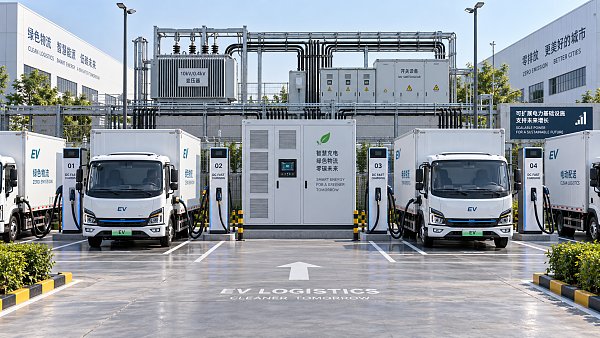
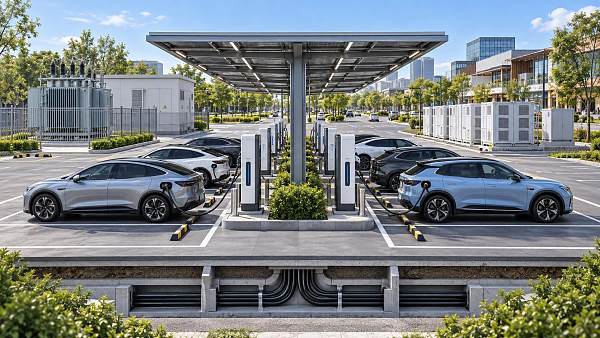
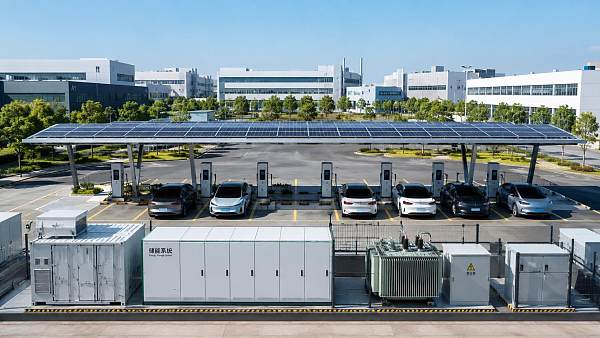
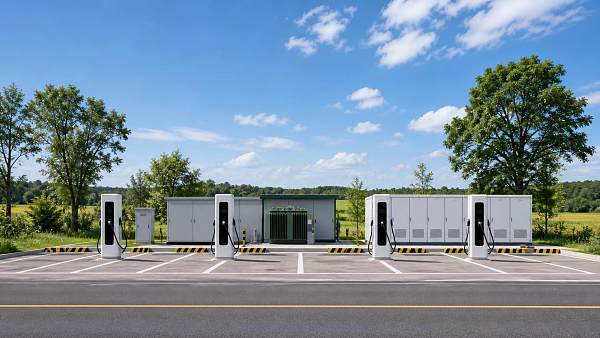
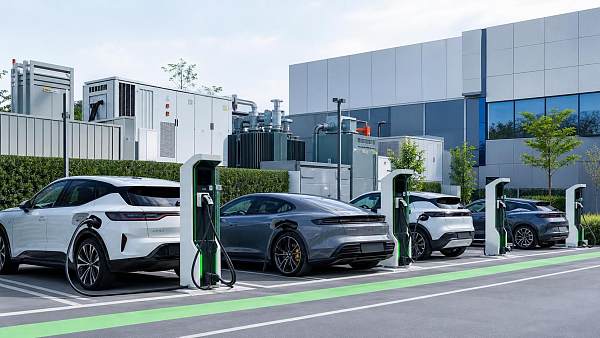
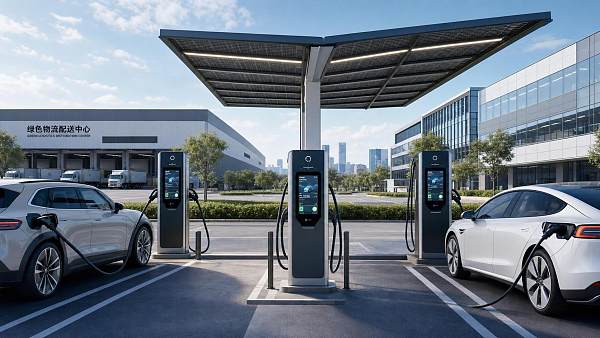
Effective charging hub design for depots starts with three fundamentals: site layout, power capacity, and vehicle flow.
When those basics are aligned, the depot works harder with fewer operational surprises.
When they are ignored, even high-quality chargers can underperform.
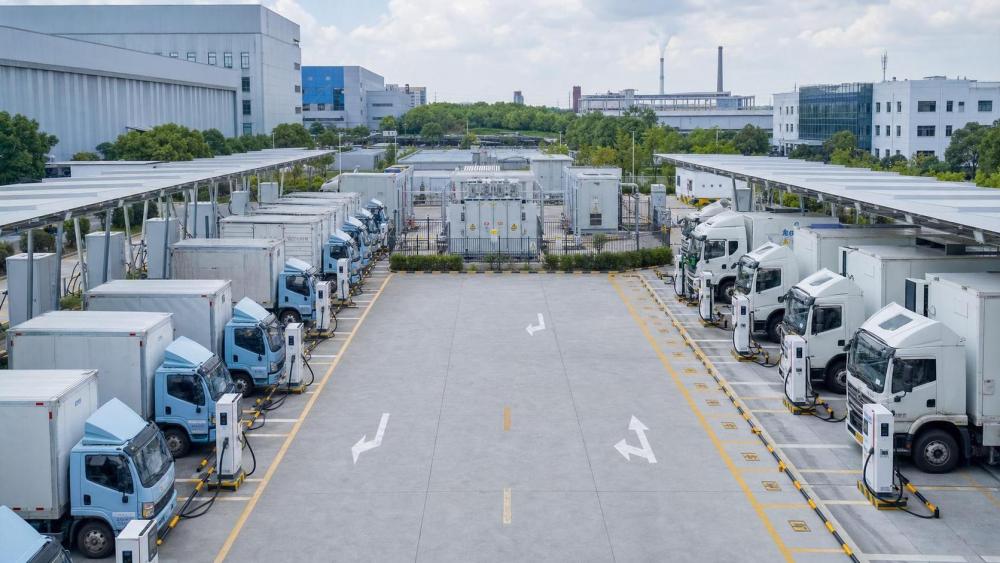
In practical terms, charging hub design for depots is not only about charger count.
It is about matching electrical infrastructure to vehicle duty cycles and daily yard movements.
That also means planning for maintenance access, safety distances, cable reach, and future expansion.
For depot operators, the strongest early decision is often the simplest one.
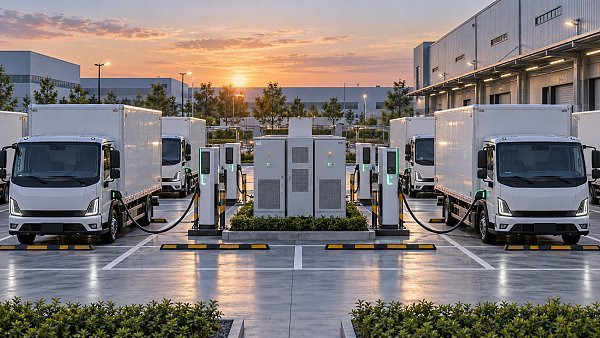
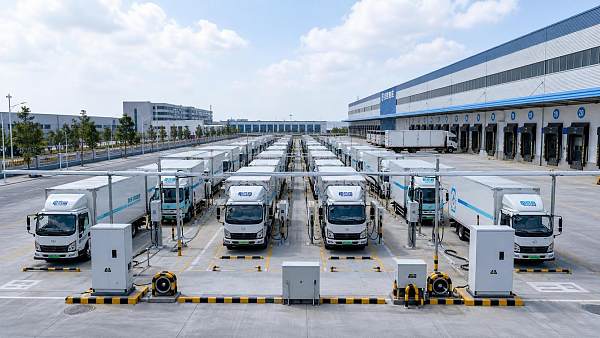
Map how vehicles actually enter, park, charge, queue, and leave.
That real movement pattern should drive the charging hub design for depots, not a generic site sketch.
Layout Basics: Build Around Operations, Not Around Empty Space
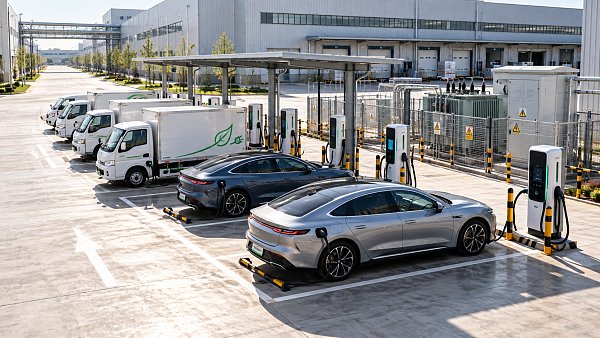
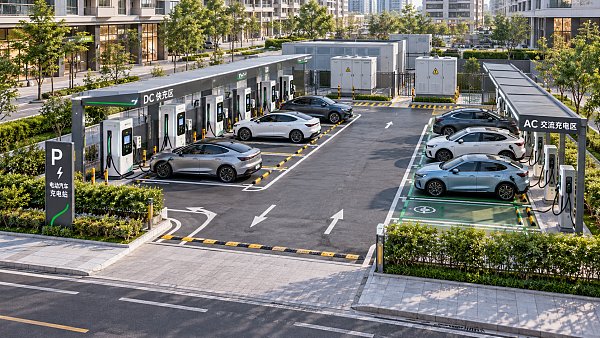
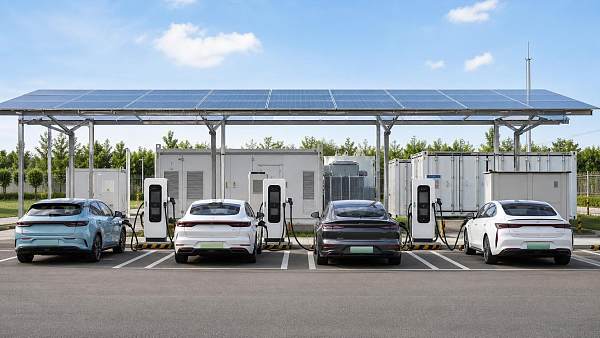
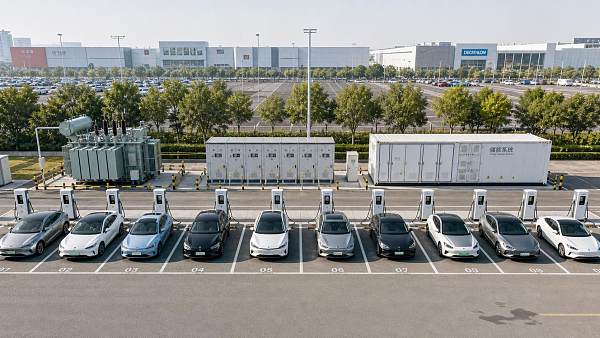
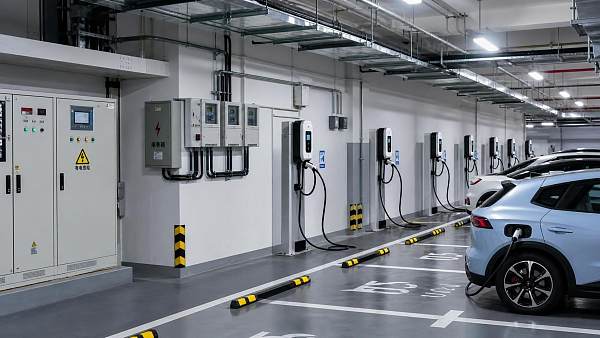
A workable layout begins with the parking model.
Are vehicles reversing into bays, driving through, or stopping side by side?
Each choice changes charger position, cable management, and circulation width.
In many fleet sites, drive-through lanes reduce maneuvering time.
But they also require more land and cleaner turning geometry.
Back-in parking can use space more efficiently.
Still, it depends on trained drivers and clear lane markings.
Key layout decisions to lock early
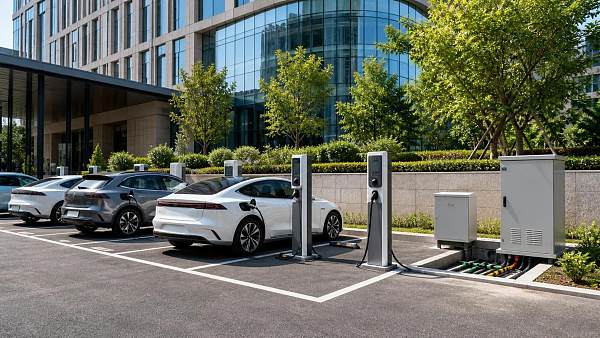
- Charger orientation relative to charge port location on each vehicle type
- Distance between equipment pads and vehicle impact zones
- Dedicated paths for vehicles, pedestrians, and service crews
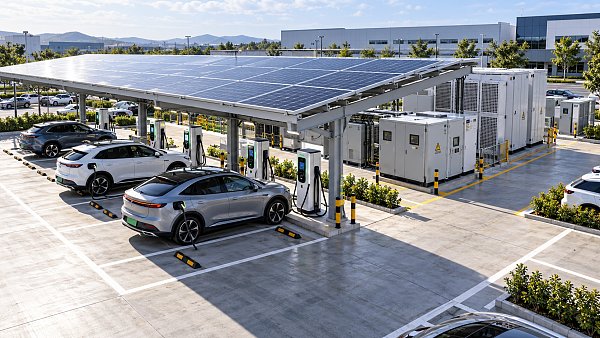
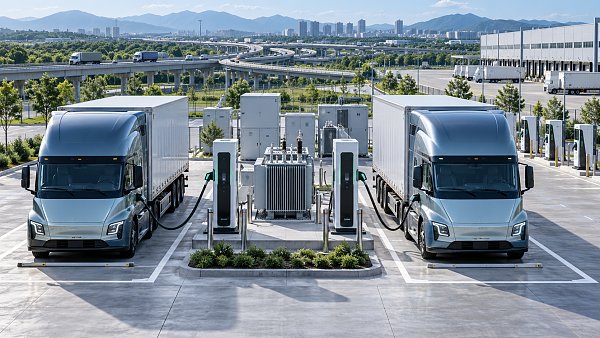
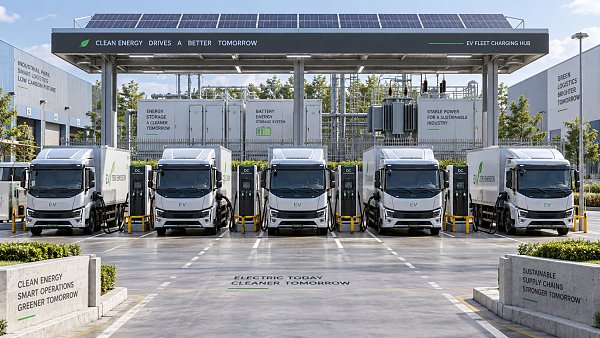
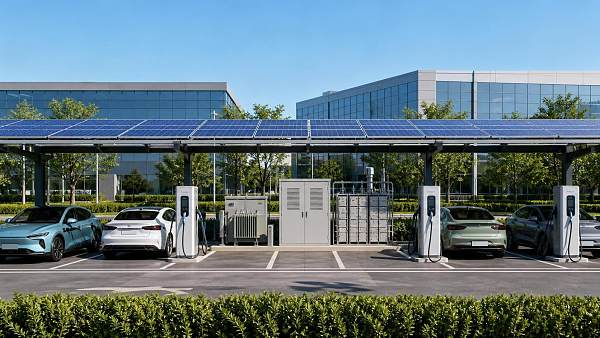
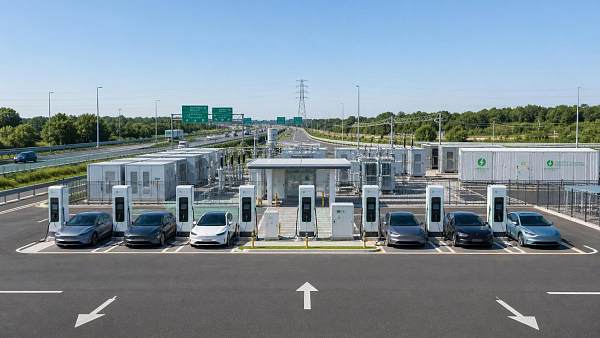
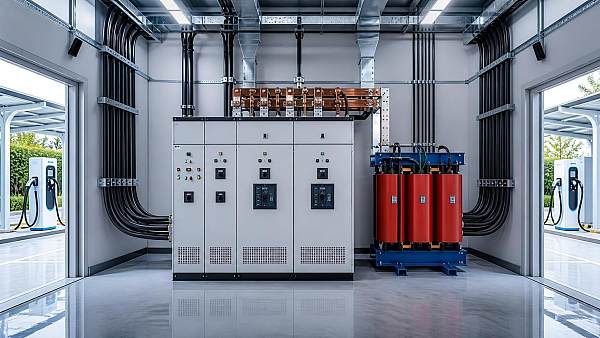
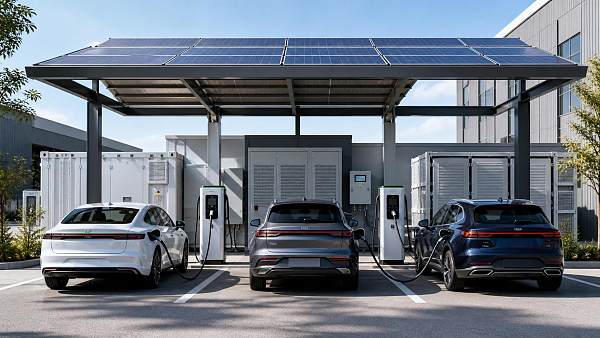
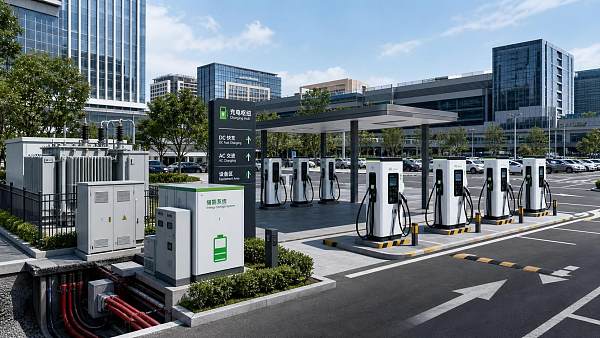
- Space for transformer, switchgear, energy storage, and future feeder upgrades
- Drainage, lighting, bollards, signage, and fire access routes
These points sound basic, but they drive cost and usability.
For example, poor charger placement can force longer cables and slower driver routines.
That usually raises maintenance exposure as well.
A stronger charging hub design for depots keeps charging actions simple and repeatable.
Drivers should not need extra steps to line up correctly.
In real depots, every unnecessary movement shows up later as delay.
Power Capacity: Size for Real Demand, Not Nameplate Assumptions
Power planning is where many depot charging projects become expensive.
The common mistake is summing charger nameplate ratings and treating that as actual demand.
That approach usually overstates connection needs or ignores charging diversity.
A better charging hub design for depots starts from energy use per shift.
Then it translates that need into charging windows, peak load periods, and acceptable recovery times.
Questions that shape capacity planning
- How many vehicles return at the same hour?
- What is the average daily energy demand per vehicle?
- How much overnight dwell time is reliably available?
- Which vehicles need priority charging before the next dispatch?
- Can load management shift power without affecting operations?
This is where software and electrical design meet.
Dynamic load management can lower peak demand and improve asset utilization.
However, it only works when operational schedules are predictable enough to support it.
In mixed fleets, charger power should align with route criticality.
Not every parking bay needs the highest charging speed.
That is often the difference between a flexible depot charging layout and an overbuilt one.
From a project delivery view, grid connection timing matters as much as transformer sizing.
Utilities may need long lead times for service upgrades, protection studies, or substation reinforcement.
That also pushes teams to assess onsite storage, solar integration, or phased energization.
For many sites, phased deployment is the most realistic charging hub design for depots.
Vehicle Flow: The Operational Layer That Decides Throughput
Vehicle flow is often treated as a yard management issue.
In reality, it is a core part of charging hub design for depots.
A depot can have enough chargers and still suffer from charging delays.
The reason is usually traffic conflict, queue buildup, or poor dispatch sequencing.
Typical flow risks inside depots
- Arrival peaks that exceed bay availability
- Charged vehicles blocking vehicles that still need energy
- Shared lanes between charging traffic and maintenance traffic
- Manual charger assignment without dispatch visibility
- Insufficient room for failed or out-of-service vehicles
A good flow model separates short dwell and long dwell vehicles where possible.
It also defines what happens when schedules slip.
That contingency logic matters more than most teams expect.
For example, one late return cluster can overload a narrow charging window.
Once that happens, the whole depot loses charging flexibility.
This is why charging hub design for depots should include a simple operating model.
Who assigns bays, who resolves charging conflicts, and how is priority updated?
Without those rules, physical design and electrical design lose value quickly.
A Practical Planning Framework for Depot Charging Projects
In actual project work, a structured sequence reduces redesign later.
It also helps align EPC teams, utilities, fleet operators, and equipment suppliers.
- Profile the fleet by route length, battery size, return time, and dwell duration.
- Test several depot layouts against real turning paths and charger reach.
- Build a diversified load model instead of using installed charger capacity alone.
- Confirm utility constraints, interconnection timing, and upstream upgrade risk.
- Define vehicle flow rules for normal operation and disruption scenarios.
- Reserve space and electrical pathways for later fleet growth.
This framework keeps charging hub design for depots grounded in operating reality.
It also improves procurement decisions because charger type, power blocks, and controls become easier to compare.
Quick reference table
What Better Charging Hub Design for Depots Looks Like in Practice
The best depot charging sites are usually not the most complex ones.
They are the ones where layout, power capacity, and vehicle flow support each other.
That coordination reduces idle time, avoids rushed redesign, and protects fleet availability.
It also gives a clearer basis for budgeting, procurement, and staged expansion.
As EV fleets grow, charging hub design for depots will become more integrated with energy management.
That includes smart charging controls, storage support, and stronger coordination with the grid.
But the planning logic stays familiar.
Start with how vehicles move, how energy is consumed, and where operational friction appears first.
That is the practical baseline for charging hub design for depots that can scale with confidence.
Questions about market trends? Contact Market Scope Live for deeper business insights.
We respect your privacy. Your information is strictly confidential.
Related News
 EV Charging InfrastructureIndian Minister Proposes Lower EV Charging Rates to Encourage AdoptionIndia EV charging rates could fall in Maharashtra under Nitin Gadkari’s proposal. Explore the potential impact on drivers, fleets and charging operators.MORE+
 EV Charging InfrastructureEV Charging for Industrial Parks: Sizing Capacity and Managing Peak LoadsPlan industrial parks EV charging with confidence. Learn how to size capacity, manage peak loads, reduce demand costs, and keep fleets ready without disrupting production.MORE+
 EV Charging InfrastructureArlington County, Virginia, to Raise Public EV Charging Rates by 72%Arlington County public EV charging rates will rise 72% to $0.30/kWh on November 1, 2026. Explore the potential impact on fleet budgets and how businesses can prepare.MORE+
 EV Charging InfrastructurePlanning Solar EV Charging Hubs: Sizing PV, Battery Storage, and Grid CapacityPlan solar EV charging hubs with confidence. Learn how to size PV, battery storage, and grid capacity to meet peak demand, control costs, and support reliable charging.MORE+
 EV Charging InfrastructureChery Unveils 1.44 MW Charging System, Claims 500 km of Range in Five MinutesChery’s 1.44 MW charging system claims 500 km of range in five minutes. Explore its ultrafast EV charging technology, vehicle compatibility and global rollout plans.MORE+
 EV Charging InfrastructureComparing EV Charging Equipment Manufacturers: Warranty, Lead Times, and SupportCompare EV charging equipment manufacturers on warranty coverage, lead times, and support. Discover how to reduce downtime, uncover hidden costs, and choose the right supplier.MORE+
 EV Charging InfrastructurePlanning Urban EV Charging Hubs: Site Selection, Power Needs, and Charger MixPlan urban EV charging hubs with confidence. Discover how to select sites, size power capacity, and balance AC/DC chargers to control costs and deliver reliable charging.MORE+
 EV Charging InfrastructureHow to Plan Charging Corridors for Fleet Routes, Grid Capacity, and Future DemandCharging corridor infrastructure planning helps fleets align routes, grid capacity, reliable charging, and scalable site design for future demand.MORE+
 EV Charging InfrastructureHow to Size Fast EV Charging Equipment for Fleet Depots Without OverbuildingFast EV charging equipment for fleet depots: learn how to match power, charging windows, grid capacity, and smart controls without costly overbuilding.MORE+
 EV Charging InfrastructureHow to Plan EV Charging Infrastructure in Indonesia for Fleet and Public SitesCharging infrastructure planning in Indonesia for fleet and public sites: optimize energy, grid capacity, smart load management, safety, and scalable EV charging.MORE+
 EV Charging InfrastructureHow to Size DC EV Charging Equipment for Fleet Depots and Peak DemandDC EV charging equipment sizing guide for fleet depots: balance energy demand, peak loads, utility limits, smart charging, and scalable growth.MORE+
 EV Charging InfrastructureAre EV Charger Payment Systems Interoperable Across Regions?Are there interoperability standards for EV charger payment systems across regions? Explore OCPP, OCPI, Plug & Charge, roaming, and payment strategies for seamless EV charging.MORE+
 EV Charging InfrastructureHow to Evaluate Total Cost of Ownership for a Fleet DC Charging DepotHow to evaluate total cost of ownership for a fleet DC charging depot: compare grid costs, tariffs, uptime, smart charging, and scalable infrastructure.MORE+
 EV Charging InfrastructurePublic Charging Infrastructure Planning: Site Criteria, Grid Capacity, and UtilizationPublic charging infrastructure planning made practical: evaluate site access, grid capacity, utilization, and scalable design to build reliable, investable EV charging hubs.MORE+
 EV Charging InfrastructureHow Behind-the-Meter Energy Systems for EV Charging Cut Peak-Demand CostsBehind the meter energy systems for EV charging help cut peak-demand costs, defer grid upgrades, and improve charging reliability with storage and smart controls.MORE+
 EV Charging InfrastructureIs Building a Public EV Charging Network in Rural Areas Financially Viable?Is it financially viable to build public charging networks in rural areas? Explore grid costs, utilization, funding, AC/DC choices, and strategies for profitable rural EV charging.MORE+
 EV Charging InfrastructureHow Public EV Charging Load Management Prevents Peak Demand and Grid Overloadspublic EV charging load management prevents costly peak demand and grid overloads. Explore smarter controls, capacity planning, and scalable charging performance.MORE+
 EV Charging InfrastructureHow to Assess Long-Term EV Charger Reliability Before ProcurementHow to evaluate long-term reliability of EV chargers before procurement? Explore practical checks for uptime, grid compatibility, software stability, service support, and lifecycle costs.MORE+
 EV Charging InfrastructureIs AC Charging Still Worth Investing in for New Public Stations in 2026?Is AC charging still worth investing in for new public stations in 2026? Explore where smart, managed AC charging delivers value, revenue, and scalable EV infrastructure.MORE+
 EV Charging InfrastructureHow to Plan Power Capacity for Highway EV Charging CorridorsHighway charging corridor power capacity planning: learn how to size grid connections, manage peak demand, use storage, and phase EV hubs for reliable, scalable growth.MORE+
 EV Charging InfrastructureWhat Is the Typical BMS Failure Rate in EV Charging Equipment?Battery management system failure rate in charging equipment: learn what BMS faults mean, key risks, and how to protect EV charger uptime.MORE+
 EV Charging InfrastructureHow Should Fleet Depot Charging Stations Be Laid Out?Fleet depot charging station layout design guidelines for safer vehicle flow, smart power use, scalable infrastructure, and reliable fleet readiness. Explore practical planning tips.MORE+
 EV Charging InfrastructureDC Fast Chargers vs Liquid-Cooled Ultra-Fast Chargers in 2026DC fast charger vs liquid-cooled ultra-fast charging stations 2026: compare power, costs, grid demands, uptime, and ideal deployment scenarios for smarter EV infrastructure.MORE+
 EV Charging InfrastructureWhat Does the Global EcoPower Charging Intelligence Platform Do?Global EcoPower EV charging infrastructure intelligence platform delivers actionable insights on grid capacity, storage, technology, risk, and profitable charging project planning.MORE+
 EV Charging InfrastructureHow Global EcoPower Manages Energy Across EV Charging NetworksGlobal EcoPower energy management systems for charging networks optimize EV charging with dynamic load control, storage, solar integration, and reliable data insights.MORE+
 EV Charging InfrastructureWhat Switchgear Specifications Are Needed for a 500 kW Charging Site?What switchgear specifications are required for a 500kW charging installation? Explore load sizing, transformer selection, fault ratings, protection, and expansion planning.MORE+
 EV Charging InfrastructureWhich Communication Protocols Matter When Mixing Charger Brands?What communication protocols matter most when mixing charger brands at one station? Explore OCPP, OCPI, ISO 15118, and energy controls for reliable interoperability.MORE+
 EV Charging InfrastructureWhat Grid Connection Capacity Does a 10-Bay Fast Charging Hub Need?What grid connection capacity is needed for a 10-bay fast charging hub? Explore demand, power sharing, batteries, and scalable planning for reliable EV charging.MORE+
 EV Charging InfrastructureHow to Plan EV Charging Systems for Apartments Without Overloading the Building?EV charging systems for apartments start with capacity, not charger count. Learn how to prevent overloads, use smart load management, and plan scalable charging that fits your building.MORE+
 EV Charging InfrastructureHow City Charging Infrastructure Planning Can Reduce Costs and Avoid Grid BottlenecksCharging infrastructure planning for cities helps cut costs, avoid grid bottlenecks, and speed EV rollout with smarter, scalable deployment.MORE+
 EV Charging InfrastructureEU Mandates EN 61851-23:2026 for EV ChargersEU Mandates EN 61851-23:2026 for EV Chargers: learn how the new EU rule impacts certification, customs clearance, and market access before October 2026.MORE+
 EV Charging InfrastructureITC Ruling Puts Chinese EV Chargers Under 337 PressureITC ruling on Chinese EV chargers puts Section 337 pressure on imports, compliance, and OEM supply chains. Learn how patent risks may impact U.S. customs, distributors, and EV charger sourcing.MORE+
 EV Charging InfrastructureHow EV Charging Technology Affects Charging Speed, Compatibility, and Site PlanningEV charging technology shapes real charging speed, vehicle compatibility, and site planning. Learn how to avoid costly design mistakes and build charging projects that perform.MORE+
 EV Charging InfrastructureUS Requires UL 1741 SA-2025 EVSE ModulesUS Requires UL 1741 SA-2025 EVSE Modules for imported DC fast chargers. Learn how V2G, FCC+UL testing, and firmware compliance will reshape US market access.MORE+
 EV Charging InfrastructureUSTR Opens Section 301 Review on China EV ChargersUSTR Opens Section 301 Review on China EV Chargers: learn how the 25% tariff review may affect import costs, customs compliance, and procurement timing across EV charging and BESS supply chains.MORE+
 EV Charging InfrastructureHow to Plan Fleet Charging Infrastructure for Logistics Depots and Delivery HubsFleet charging infrastructure for logistics starts with duty cycles, dwell time, and grid limits. Learn how to design depot and hub charging that cuts bottlenecks and supports scalable fleet electrification.MORE+
 EV Charging InfrastructureWhat Is Load Management in EV Charging and How Does It Reduce Peak Power Costs?Load management in EV charging helps control peak demand, lower grid upgrade pressure, and cut costly power spikes. Learn how smart power allocation improves site economics.MORE+
 EV Charging InfrastructureHow to Evaluate an EV Charging Software Platform for Multi-Site Charging OperationsEV charging software platform evaluation made practical: learn how to assess interoperability, load management, billing, security, and scalability for multi-site charging operations.MORE+
 EV Charging InfrastructureUSTR Opens 301 Review on China EV Charging GearUSTR opens a Section 301 review on China EV charging gear, putting tariffs, import costs, pricing, and inventory plans at risk. See what US importers and distributors should watch now.MORE+
 EV Charging InfrastructureEU Sets 17.1% Duty on Chinese EV ChargersEU Sets 17.1% Duty on Chinese EV Chargers: see how the new EU tariff affects EV charging equipment exports, customs costs, HS codes, and contract risks for suppliers.MORE+